

As a supplier of Wood Chipper Machines, I often encounter inquiries from potential customers regarding the commercial viability of these powerful pieces of equipment. In this blog post, I'll delve into the details of whether a wood chipper machine can be used commercially, exploring its applications, benefits, challenges, and more.
Applications in Commercial Settings
Wood chipper machines have a wide range of applications in commercial industries. One of the most common uses is in the forestry and logging sectors. After trees are felled, large branches and trunks need to be processed. A wood chipper can quickly turn these bulky materials into wood chips, which are much easier to transport and store. These wood chips can then be used for various purposes, such as biomass fuel production, mulching for landscaping, or as raw materials for the paper and pulp industry.
In the landscaping and gardening business, wood chippers are also invaluable. When pruning trees or shrubs, the resulting branches and twigs can be chipped on - site. The wood chips can be used as mulch to retain soil moisture, suppress weeds, and add nutrients to the soil. This not only provides a cost - effective solution for waste management but also enhances the aesthetic appeal of the landscape.
Another significant commercial application is in the biomass energy sector. With the increasing demand for renewable energy sources, wood chips produced by wood chipper machines are a popular choice for biomass power plants. These plants burn the wood chips to generate electricity, providing a clean and sustainable alternative to fossil fuels.
Benefits of Using Wood Chipper Machines Commercially
-
Efficiency and Productivity
Wood chipper machines are designed to handle large volumes of wood quickly. They can significantly reduce the time and labor required to process wood compared to manual methods. For example, a commercial - grade wood chipper can chip several tons of wood in a single day, which would take a large team of workers weeks to complete by hand. This increased efficiency translates into higher productivity and lower operational costs for businesses. -
Waste Reduction and Recycling
By converting wood waste into useful wood chips, wood chipper machines help businesses reduce the amount of waste sent to landfills. This not only benefits the environment but also can lead to cost savings in waste disposal fees. Additionally, the recycled wood chips can be sold or used within the business, creating an additional revenue stream. -
Versatility
Wood chipper machines come in various sizes and configurations, making them suitable for different commercial applications. Whether you need a small, portable chipper for on - site landscaping jobs or a large, industrial - scale machine for a forestry operation, there is a wood chipper available to meet your needs.
Challenges of Using Wood Chipper Machines Commercially
-
Initial Investment
Purchasing a commercial - grade wood chipper machine can be a significant upfront investment. High - quality machines can cost tens of thousands of dollars, depending on their size and features. However, it's important to consider the long - term benefits and cost savings that these machines can provide. -
Maintenance and Safety
Wood chipper machines require regular maintenance to ensure optimal performance and safety. This includes tasks such as sharpening the blades, lubricating moving parts, and checking for any signs of wear or damage. Additionally, operating a wood chipper can be dangerous if proper safety procedures are not followed. Workers need to be trained on how to use the machine safely, including wearing appropriate protective gear and following all safety guidelines. -
Noise and Environmental Impact
Wood chipper machines can be quite noisy, which may be a concern in some commercial settings, especially if the operation is located near residential areas. Additionally, the dust generated during the chipping process can have an environmental impact if not properly managed. Businesses need to take measures to minimize noise pollution and control dust emissions to comply with local regulations.
Choosing the Right Wood Chipper Machine for Commercial Use
When selecting a wood chipper machine for commercial applications, several factors need to be considered:
-
Capacity
Determine the volume of wood you need to chip on a regular basis. This will help you choose a machine with the appropriate capacity. For small - scale commercial operations, a machine with a lower throughput may be sufficient, while large - scale forestry or biomass operations will require a high - capacity chipper. -
Type of Wood
Different wood chipper machines are designed to handle different types of wood. Some machines are better suited for softwoods, while others can handle hardwoods more effectively. Consider the type of wood you will be chipping most frequently when making your selection. -
Portability
If you need to move the wood chipper machine between different job sites, portability is an important factor. Look for machines that are easy to transport, either on a trailer or with built - in wheels. -
Features and Options
Some wood chipper machines come with additional features such as self - feeding mechanisms, adjustable chipper settings, and remote control operation. These features can enhance the efficiency and convenience of the machine but may also increase the cost.
Conclusion
In conclusion, wood chipper machines can definitely be used commercially, and they offer numerous benefits in terms of efficiency, waste reduction, and versatility. While there are challenges associated with their use, such as the initial investment, maintenance, and safety concerns, these can be managed with proper planning and training.
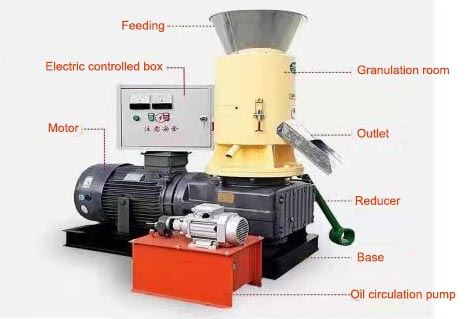
If you are considering using a wood chipper machine for your commercial operation, I encourage you to explore our range of Wood Chipper Machine. We also offer Biomass Pellet Equipment for those interested in biomass energy production. Our team of experts can help you choose the right machine for your specific needs and provide you with all the support and training you need to operate it safely and effectively.

If you have any questions or would like to discuss your requirements further, please don't hesitate to contact us. We look forward to the opportunity to work with you and help you take your commercial operation to the next level.
References
- Forestry Handbook, 2022 Edition
- Biomass Energy Research Reports, 2023
- Landscaping and Gardening Industry Standards, 2023