


Raw Materials
Flap Disc Raw Materials is the raw material for the production of flap discs, abrasive cloth, glue, backing, where abrasive cloth directly affects the ease of use of flap discs, abrasion resistance, and sharpness. Glue is to determine the firmness of the flap disc, determines the speed of the flap disc, and then backing is the basis of the flap disc. The carrier determines the strength of the flap disc. The three raw materials complement each other and are indispensable. Raw materials also have deep knowledge. If you want to learn more, please contact the company's principal Perry.
Our company is a high-tech enterprise that independently designs, develops, produces, and sells automatic abrasive flap disc production lines.
Variety of Products
We can provide a variety of abrasive equipment, including semi-automatic flap disc machines, fully automatic flap disc machines, fully automatic flexible flap disc machines, automatic abrasive slitting machines, etc. We can also provide flap disc raw materials such as glue and backing.
Rich Production Experience
With over 10 years of experience working with abrasive manufacturers large and small, we can specify, design, source and install the perfect machine for almost any application. No matter what kind of flap disc/ wheel forming, cutting and grinding wheel & packaging machinery, we can manufacture it based on our rich experience.
Strict Quality Standards
All suppliers of raw materials and purchased parts are jointly screened and regularly evaluated by the procurement, technology, and quality control departments to ensure that the raw materials are qualified. Our quality management is a combination of comprehensive employee participation and full value chain quality management from customers to suppliers.
Recognized by Many Parties
Well-known brands Saint-Gobain, 3M, Abrasive and Pferd choose our abrasive equipment to produce flap discs or wheels, cutting and grinding wheels. At the same time, our abrasives have passed CE standard certification.


A flap disc is an abrasive product used to contour and shape metal. It consists of overlapping abrasive flaps glued to a backing plate and is regularly used for welding, machining, heavy-duty equipment work, and industrial maintenance. Flap disc raw materials include flap disc backing and glue. The backing is usually made of fiberglass (7 to 10 layers of fiberglass mesh bonded with resin) or nylon. Glue acts as a special adhesive (epoxy resin) used to secure the abrasive disc to a fiberglass or nylon backing. Usually, for automatic flap disc machine production, one-component epoxy glue is used as the adhesive to bond the abrasive cloth flaps to the fiberglass backing.
Flap Discs are designed with six specific considerations in mind, and they are as follows:
Disc Shape: Flat, Conical, and Compressed
Flap discs are mainly available in three common shapes. Flat Flap Disc or T27 Disc-As the name suggests, these are used on flat surfaces for edge grinding and deburring. Conical Flap Disc or T29 Disc- These discs are perfect for surface conduct and aggressive grinding. They are also used for heavy stock removal in different grinding applications. Compressed Flap Disc-This disc can perform both edge grinding and deburring as well as equally effective for heavy weld removal.
Bonding and Backing Materials
Poly-cotton fabric and polyester fabric are the two most common bonding and backing materials used in flap discs.
Backing Plates: Fiberglass, Plastic, and Metal
Flap disc backing plates are typically made of three main components: plastic, metal, and fiberglass.
Flap Density
The total amount of abrasive area used by the flap on the disc is known as the flap density. The number of flaps used, the angle at which they are used, and the space between flaps all affect the size of the abrasive area. Low-density flap disc is good for heavy-duty applications and fast stock removal, while high-density flap discs are perfect for working on curved and irregular surfaces.
Grain Types
Flap discs are designed with different types of abrasives including ceramic, zirconia, and aluminum oxide grains. You can choose the grain material according to your application requirement.
Abrasive Grit and Disc Size
Abrasives are available in various grit range from coarse, to medium and fine. A high grit number means a small abrasive grain. Similarly, a low grit number means a large abrasive grain. For fine abrasive products choose high grit or small grain size. Flap disc with coarse abrasive grit is perfect for heavy stock removal and aggressive grinding. And, flap disc with medium or fine abrasive grit is perfect for deburring, mixing, and finishing applications.
Types of Flap Disc Raw Materials

Flap Disc Backing
A flap disc backing is the backing plate that provides stability during operation. There are many different types of backings depending on the material. Being strong, durable, lightweight, and safe, fiberglass is the most popular material choice. Fiberglass creates a strong bond with adhesives and does not contaminate the working surface. This type of plate also gets consumed during use, and it absorbs vibration very well. Plastic backing plates are becoming more popular due to their conformability as well as being trimmable, which allows more use of the flaps, especially for blending and finishing. Aluminum backing plates are the least popular ones but are good in applications demanding extra high strength and rigid support. Since metal plates are expensive, they should be used where they make the most sense. Aluminum backings don’t get consumed during use, so they can be easily recycled when a flap disc is past its useful life.
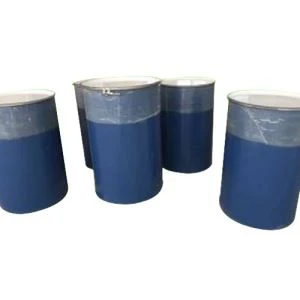
Glue For Flap Disc
Glue - Special adhesive (epoxy) used to secure abrasive discs to fiberglass or nylon backings. It is a one-component (single component) epoxy adhesive that appears semi-solid. This material is completely solvent-free. It is an environmentally friendly heat-curing epoxy glue that is very easy to use. The glue has high bonding strength, good impact resistance and vibration resistance, and it has good hardness and good toughness after curing. The cured glue is moisture-proof, waterproof, oil-proof and dust-proof. In summary, the glue has very good thixotropic properties and high bonding strength properties at higher temperatures.
High-quality Flap Disc Raw Materials Bring Many Advantages
High-quality raw materials can bring many advantages to the final finished flap discs. These advantages contribute to their versatility, efficiency, and overall effectiveness in metalworking projects.
Fast Stock Removal: Flap discs are known for their ability to remove material quickly. The overlapping abrasive flaps on the disc provide a larger surface area for grinding, resulting in faster stock removal compared to grinding wheels.
Versatility: Flap discs are designed to perform multiple tasks with a single product. They can grind, blend, and finish, eliminating the need for switching between different tools or discs. This versatility saves time and improves project efficiency.
Smooth Finish: When it comes to achieving a smooth finish, flap discs excel. The layered flaps constantly expose fresh abrasive material, ensuring a consistent and even finish. This is particularly beneficial when working on metal surfaces that require a polished or refined appearance.
Reduced Noise and Vibration: Flap discs are designed to minimize noise and vibration during operation. The layered flaps act as a cushion, reducing the impact and resulting in a quieter and more comfortable working experience.
Improved Control: The flexibility of flap discs allows for better control and maneuverability. This is especially advantageous when working on curved or irregular surfaces, as the flaps can conform to the shape of the workpiece, ensuring precise and accurate grinding.
Extended Lifespan: Flap discs generally have a longer lifespan compared to grinding wheels. The layered flaps distribute abrasive wear evenly, ensuring that the disc remains useful even as the flaps erode. This results in cost savings and reduced downtime for disc replacement.
Applications of Flap Discs
Flap discs are versatile abrasive tools that find applications in various industries and tasks. Their unique design and functionality make them suitable for a wide range of applications, providing efficient and effective results. Here are some common applications where flap discs excel:
Welding and Metal Fabrication
Flap discs are widely used in welding and metal fabrication processes. They are ideal for removing weld spatter, smoothing weld seams, and blending metal surfaces. The overlapping flaps of the disc allow for precise and controlled grinding, ensuring a smooth and uniform finish.
Surface Preparation
Flap discs are excellent for surface preparation tasks, such as removing rust, paint, and corrosion from metal surfaces. They can quickly and effectively strip away unwanted coatings, preparing the surface for further treatment or finishing.
Deburring and Edge Grinding
Flap discs are highly effective in deburring sharp edges and removing burrs from metal workpieces. Their abrasive flaps can easily reach tight corners and contours, providing consistent and precise deburring results.
Woodworking
Flap discs are not limited to metalworking applications; they can also be used in woodworking tasks. They are suitable for shaping and smoothing wood surfaces, removing old finishes, and preparing wood for staining or painting.
Automotive and Aerospace Industries
Flap discs are widely used in the automotive and aerospace industries for various applications, including grinding and finishing metal components, removing weld seams, and preparing surfaces for coating or bonding.
Maintenance and Repair
Flap discs are essential tools for maintenance and repair work. They can be used for tasks such as cleaning and polishing metal surfaces, removing scale and oxidation, and restoring worn-out parts.
Choosing the Right Flap Disc


In the modern market, there are several different flap discs to choose from. Let's start by understanding the various flap disc components so you can pick the right disc for the task at hand:
Shape of the Flap Disc
Flap discs are used with right-angle grinders, and they have a center point that makes it possible to Operate on the flaps. Angles between 5 and 35 degrees are frequently used to align the flaps. Different performance features are offered by choosing the appropriate flap disc shape, conical shape (Type 29), or flat shape (Type 27).
*Type 29 or Conical Flap Discs - The most straightforward option for forceful stock removal is conical flap discs. Angled flaps on conical flap discs allow them to be used for both contoured and edge work. When speed and stock removal are the main factors, they are the most straightforward option.
*Type 27 or Flat Flap Disc - The most straightforward finishing option is a flat flap disc. Discs with flat flaps are only used on flat surfaces. They make blending and smooth finishing the easiest option.
Flap Disc Raw Material
The backing plate material is an additional important consideration when choosing flap discs for your application. The three most common materials for backing plates are metal, plastic, and fiberglass.
*Fibreglass - Fibreglass is the most often used material because it is sturdy, long-lasting, light, and safe, With adhesives, fiberglass forges a solid bond and doesn't pollute the work surface. This kind of plate also degrades with time and has excellent vibration absorption. Keep in mind that layers of fiberglass are crushed and mesh-bonded together to create a fiberglass backing. When reviewing the precise specifications of a flap disc, it's crucial to keep in mind that the backing will be stronger and more durable if there are more layers and a higher mesh density.
*Plastic - Plastic is another widely used backing material, with nylon being the most popular type. These backings can be cut, extending the time that flaps can be used, especially during blending and finishing. Due to its cost-effectiveness and conformability, plastic is a choice that people are finding more and more appealing today.
*Metal - The best option is metal backing plates because they are strong and reliable when you need extra support and strength Metals like aluminum are frequently utilized. Due to their high cost, metal plates should only be utilized when absolutely necessary. For stronger support and greater performance, use flap discs with metals when dealing with concrete or stone applications. Metals are not consumed during usage, but after a flap disc has reached the end of its useful life, metal plates can simply be recycled.
Abrasive Flap Density
What does it mean? Consider the overall amount of abrasive area that the flaps on a flap disc give when calculating density. This region is influenced by the number of flaps on a disc, their angle with respect to the disc's center, and how widely they are spaced. Keep in mind that every factor has the potential to affect the quantity of disc space available for your project.
*Standard Density - The best flaps for heavy-duty applications and quick stock removal are those with standard densities.
*High Density - When working on curved or irregular tasks, as well as during finishing, high-density flaps perform well. Don't take the flap disc density description at face value. To distinguish between two discs, each of which may mention "standard density flaps" or "high-density flaps," look at the quantity, angle, and spacing of the flaps.
Abrasive Grit Material
Flap discs are useful for a wide range of tasks, including removing paint or rust, smoothing or finishing stone, working with metal or wood, and more. It's crucial to select the proper abrasive grit material for your particular application demands in order to get the most out of flap discs. Let's examine the sorts of abrasive grit that are most frequently used:
*Ceramic Alumina - This material works well in alloy or stainless steel applications. The grit material ruptures at a micro level while operating with Ceramic Alumina. As a result, there are always plenty of cutting surfaces. Because of this, cutting may be done more quickly while still utilizing the entire grain. These discs provide greater durability because cutting consumes the entire grain.
*Zirconia Alumina - It works well for applications involving carbon and mild steel because it is a combination of zirconia and aluminum oxide grains. Zirconia Alumina offers a substantial price reduction and is less expensive than ceramic Alumina.
*Aluminum Oxide - When flap discs were initially launched in the 1970s, this is the original grit material that was employed. It also has the lowest price. Nowadays, it is advised for smaller operations where low-value output is created.
Grit Size
If you've been working with grinding wheels, you're undoubtedly already familiar with grit sizes. The final element you must select depends on your ultimate objective and what you're attempting to accomplish. Use abrasives with a lower grit number to remove stock or grind common materials. On the other hand, if you want to produce a flawless finish, use higher grit sizes.
Safety Precautions for the Use of Flap Discs
Using flap discs is a common practice in metal fabrication and welding, but it is important to take safety precautions to prevent injury. Here are some key safety tips to follow when using flap discs.
Wear Protective Gear
Before using a flap disc, it is important to wear the proper protective gear, such as gloves, safety glasses, and a dust mask. The gloves will protect your hands from cuts and scrapes, while the safety glasses will protect your eyes from flying debris. The dust mask will protect your lungs from inhaling any harmful dust particles generated by the grinding process.
Inspect the Flap Disc
Before using a flap disc, inspect it for any signs of damage or wear. A damaged flap disc can be dangerous to use and can cause serious injury. Check for any cracks, chips, or tears in the flaps, and replace the flap disc if necessary.
Use the Right Tool
Make sure you are using the right tool for the job. Flap discs are designed for lighter grinding tasks, and should not be used for heavy-duty grinding. If you need to remove large amounts of metal, use a grinding disc instead.
Secure the Workpiece
Make sure the workpiece is secure and will not move while you are grinding. This will help prevent accidents and ensure a clean and efficient grinding process.
Adjust the Speed
Adjust the speed of the angle grinder to the manufacturer's recommended speed for the flap disc you are using. Using a flap disc at too high of a speed can cause the flaps to break off, which can be dangerous.
Use the Right Technique
Use the right grinding technique to ensure a safe and efficient process. Keep the angle grinder flat against the surface, and do not apply too much pressure. Apply moderate pressure and let the flap disc do the work.
Follow the Manufacturer's Instructions
Always follow the manufacturer's instructions for using a flap disc. The instructions will provide important information on how to use the flap disc safely and effectively.
Store Flap Discs Properly
Store flap discs properly when not in use to prevent damage. Store them in a dry, cool place, and keep them away from moisture and direct sunlight.
Our Certificate
Below are the certificates we obtained:


Our Factory
Below is our factory


FAQ
Q: What are flap discs made of?
Q: Will a flap disc grind metal?
Q: How do I get the most out of my flap disc?
*Select a sharp piece of scrap metal.
*Ramp the flap disc up to speed.
*Slowly lift the flap disc until the flap's top (or overhang) contacts the scrap metal.
*Push directly into the corner of the metal with consistent, controlled pressure.
Q: Will a flap disc remove rust?
Q: What is the difference between a grinding disc and a flap discs?
Q: Why do grinding discs expire?
Q: What category is a flap disc?
Q: Can you put a flap disc on a bench grinder?
Q: Do flap discs have an expiry date?
Q: Can you use a flap disc on aluminum?
Q: Can you use a flap disc to remove paint?
Q: Where do you use flap discs?
*Fast weld and stock removal in metal fabrication use
*Blending of a weld
*Deflashing
*Blending or finishing metal surfaces
*Deburring steel and stainless steel
*Paint and rust removal
*Smoothing and shaping wood
*Concrete polishing and edge work
Q: What size are flap discs?
Q: What is the difference between a flap wheel and a flap disc?
Q: What are the best flap discs for stainless steel?
Q: When to use a flap disc?
Zhengzhou HG Abrasive Tech. Co., Ltd. is one of the most professional raw materials manufacturers and suppliers in China. Feel free to buy the best quality raw materials at competitive price here. For more info about various equipments, welcome to contact our factory.
raw materials safety, competitively priced raw materials, biodegradable raw materials