

Hey there! As a supplier of Wood Chipper Machine, I often get asked a bunch of questions about what types of wood our machines can handle. One question that pops up quite a bit is, "Can a wood chipper machine be used for hickory wood?" Well, let's dig into this topic and find out.
Understanding Hickory Wood
First off, we need to know a bit about hickory wood. Hickory is a pretty tough and dense hardwood. It's known for its strength and durability, which is why it's often used in making furniture, tool handles, and even in smoking meats. The density of hickory can vary depending on the species, but generally, it's one of the harder woods out there.
Hickory has a tight grain structure, which means the fibers are closely packed together. This gives it its strength but also makes it a bit more challenging to cut through compared to softer woods like pine or cedar. The hardness of hickory can range from around 1,500 to 2,000 on the Janka hardness scale, which measures a wood's resistance to denting and wear. For comparison, pine usually has a Janka rating of around 380 - 690.
Can a Wood Chipper Handle Hickory?
The short answer is yes, a wood chipper can be used for hickory wood, but there are some things to consider. Not all wood chippers are created equal, and you need to make sure you have the right machine for the job.
Power and Capacity
When it comes to chipping hickory, power is key. A wood chipper needs enough horsepower to cut through the dense fibers of hickory. Smaller, residential - grade wood chippers might struggle with hickory, especially if the branches or logs are thick. These machines are usually designed for softer woods and smaller diameter branches.
On the other hand, commercial - grade wood chippers are built with more powerful engines and heavy - duty blades. They can handle larger pieces of hickory with ease. For example, a chipper with a 20 - 30 horsepower engine is likely to do a much better job at chipping hickory than a 5 - 10 horsepower one.
The capacity of the chipper also matters. You need to make sure the chipper can accept the size of the hickory pieces you want to chip. Some chippers have a maximum diameter limit for the wood they can handle. If your hickory branches are too thick, you'll either need to cut them down to size or get a chipper with a larger capacity.
Blade Quality
The blades of the wood chipper are crucial when dealing with hickory. High - quality, sharp blades are essential for clean and efficient chipping. Hickory's density can quickly dull blades that aren't up to the task. Blades made from high - carbon steel or other durable materials are better suited for chipping hickory.
Regular blade maintenance is also important. You should sharpen the blades regularly to keep them in good condition. Dull blades not only make the chipping process slower but can also put more strain on the chipper's engine.
Benefits of Chipping Hickory Wood
There are several good reasons to chip hickory wood.
Mulch
One of the most common uses for chipped hickory is as mulch. Hickory mulch has a nice, rich color and can add an aesthetic appeal to your garden or landscaping. It also helps to retain moisture in the soil, suppress weeds, and regulate soil temperature. As the mulch breaks down over time, it adds nutrients to the soil, improving its fertility.
Biomass Fuel
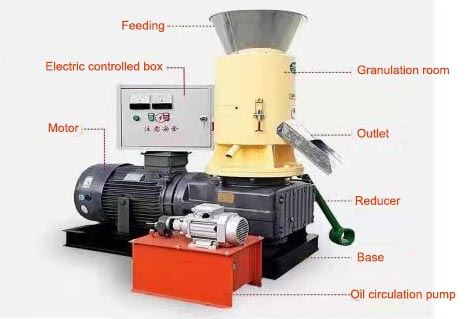
Hickory is a great source of biomass fuel. Once chipped, it can be used in Biomass Pellet Equipment to make pellets. These pellets can be burned in biomass stoves or boilers to provide heat. Hickory's high energy density means it burns hot and efficiently, making it a valuable fuel source.

Animal Bedding
Chipped hickory can also be used as animal bedding. It's absorbent and provides a comfortable surface for animals. It's important to make sure the chips are clean and free of any sharp edges that could harm the animals.
Tips for Chipping Hickory Wood
If you're planning to chip hickory wood, here are some tips to make the process go smoothly.
Prepare the Wood
Before you start chipping, cut the hickory branches or logs into manageable sizes. Remove any knots or debris from the wood, as these can cause problems for the chipper. Knots are especially hard and can damage the blades or jam the chipper.
Feed the Wood Slowly
When feeding the hickory into the chipper, do it slowly and steadily. Forcing the wood in too quickly can cause the chipper to jam or put too much strain on the engine. Let the chipper do its job at its own pace.
Safety First
Always follow the safety instructions provided with the wood chipper. Wear appropriate safety gear, such as safety glasses, gloves, and ear protection. Keep your hands and other body parts away from the chipper's intake and blades.
Conclusion
So, to sum it up, a wood chipper can definitely be used for hickory wood, but you need to have the right machine and take proper precautions. If you're in the market for a wood chipper that can handle hickory and other tough woods, we've got you covered. Our Wood Chipper Machine is designed with power, capacity, and durability in mind.
Whether you're looking to create mulch for your garden, make biomass fuel, or use the chips for animal bedding, our wood chippers can get the job done. If you have any questions or want to discuss your specific needs, don't hesitate to reach out. We're here to help you find the perfect wood chipper for your hickory - chipping needs.
If you're interested in learning more about our products or want to start a purchase negotiation, feel free to get in touch. We'll be more than happy to assist you.
References
- "Wood Handbook: Wood as an Engineering Material." United States Department of Agriculture, Forest Service, Forest Products Laboratory.
- Various industry articles on wood chipping and the properties of hickory wood.