

As a supplier of Wood Chipper Machine, I often receive inquiries from customers about the compatibility of different types of wood with our machines. One question that comes up frequently is whether a wood chipper machine can be used for mahogany wood. In this blog post, I will explore this topic in detail and provide you with all the information you need to make an informed decision.
Understanding Mahogany Wood
Mahogany is a highly valued hardwood known for its beauty, durability, and versatility. It is commonly used in high - end furniture, cabinetry, musical instruments, and boat building. Mahogany has a fine, even texture and a rich, reddish - brown color that darkens over time. It is also relatively dense and strong, which gives it excellent workability and resistance to decay.
However, these same characteristics that make mahogany desirable for fine woodworking also pose some challenges when it comes to chipping. The density and hardness of mahogany mean that it requires more power and a more robust machine to break it down into chips compared to softer woods.
Compatibility of Wood Chipper Machines with Mahogany
Power Requirements
Most standard wood chipper machines are designed to handle a variety of woods, including softwoods like pine and spruce, as well as some moderately hard hardwoods. But mahogany is a very dense hardwood, and it needs a wood chipper with sufficient power to cut through it effectively.
A small, residential - grade wood chipper may struggle to handle mahogany. These machines typically have lower horsepower engines and are designed for lighter - duty tasks, such as chipping small branches and twigs. For mahogany, you would need a commercial - grade wood chipper with a high - powered engine, usually at least 10 - 15 horsepower or more, depending on the size of the mahogany pieces you want to chip.
Cutting Mechanism
The cutting mechanism of a wood chipper is also crucial when dealing with mahogany. There are two main types of cutting mechanisms in wood chippers: disc chippers and drum chippers.
- Disc Chippers: Disc chippers use a large, rotating disc with sharp blades attached to it. The disc spins at high speed, and as the wood is fed into the chipper, the blades cut through it and turn it into chips. Disc chippers are generally more powerful and can handle larger and denser pieces of wood, making them a good choice for mahogany.
- Drum Chippers: Drum chippers, on the other hand, use a drum with blades on its surface. The wood is fed against the rotating drum, and the blades cut it into chips. While drum chippers are also effective, they may not be as well - suited for very dense woods like mahogany as disc chippers.
Feed Capacity
The feed capacity of a wood chipper refers to the maximum size of the wood pieces that the machine can accept. Mahogany pieces can vary in size, especially if you are working with large logs or branches. A wood chipper with a large feed opening and high feed capacity is essential for efficiently chipping mahogany. Make sure to choose a machine that can accommodate the size of the mahogany wood you plan to process.
Benefits of Chipping Mahogany Wood
Biomass Energy Production
One of the main benefits of chipping mahogany wood is its potential use in biomass energy production. The chips can be used as a renewable energy source in biomass boilers or Biomass Pellet Equipment. Mahogany chips have a relatively high energy content due to their density, making them a good option for generating heat or electricity.
Mulch and Compost
Mahogany chips can also be used as mulch in gardens and landscapes. The dense chips break down slowly, providing long - lasting weed suppression and moisture retention. Additionally, when added to a compost pile, mahogany chips can contribute to the creation of high - quality compost, which enriches the soil and promotes healthy plant growth.
Considerations and Precautions
Safety
When using a wood chipper to process mahogany or any other wood, safety should be your top priority. Mahogany is a hard and dense wood, and the chipping process can be more challenging and potentially more dangerous. Always follow the manufacturer's safety instructions, wear appropriate protective gear, such as safety glasses, ear protection, and gloves, and keep bystanders at a safe distance.
Maintenance
Due to the density of mahogany, the blades of the wood chipper will experience more wear and tear compared to when chipping softer woods. Regular maintenance, including blade sharpening and replacement, is essential to ensure the machine operates efficiently and safely.
Legal and Ethical Considerations
Mahogany is a protected species in many areas, and there may be legal restrictions on harvesting, processing, or transporting mahogany wood. Before using a wood chipper to chip mahogany, make sure you have the necessary permits and that the wood has been sourced legally and sustainably.
Conclusion
In conclusion, a wood chipper machine can be used for mahogany wood, but it requires a high - powered, commercial - grade machine with the appropriate cutting mechanism and feed capacity. Mahogany chipping offers several benefits, such as biomass energy production and the creation of mulch and compost. However, it is important to take safety precautions, perform regular maintenance, and comply with all legal and ethical requirements.

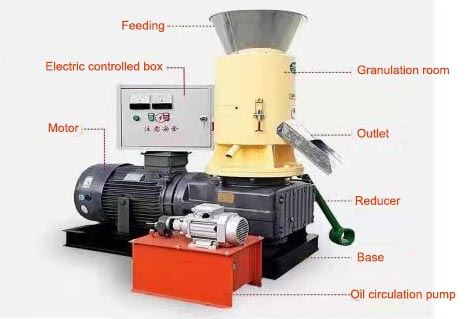
If you are interested in purchasing a wood chipper machine for chipping mahogany or other types of wood, we are here to help. Our company offers a wide range of high - quality wood chipper machines suitable for various applications. We can provide you with professional advice and guidance to ensure you choose the right machine for your needs. Contact us today to start a discussion about your wood chipping requirements and explore the possibilities of working together.
References
- Wood Handbook: Wood as an Engineering Material. Forest Products Laboratory, U.S. Department of Agriculture.
- "Hardwood Identification and Properties" by various forestry research institutions.
- Manufacturer's manuals for wood chipper machines.