

Hey there! As an abrasive cloth roll supplier, I often get asked a bunch of questions about where and how to use our products. One question that pops up quite a bit is, "Can I use an abrasive cloth roll on a copper surface?" Well, let's dive right into it and find out.
First off, let's talk a bit about copper. Copper is a pretty popular metal. It's used in all sorts of stuff, from electrical wiring to plumbing pipes, and even in some fancy decorative items. It's known for being malleable, ductile, and having good electrical conductivity. But it also has a relatively soft surface compared to some other metals.
Now, abrasive cloth rolls are made up of abrasive grains that are bonded to a cloth backing. These abrasive grains can be made from different materials like aluminum oxide, silicon carbide, and more. The type of abrasive grain and its grit size play a huge role in how the abrasive cloth roll will interact with a copper surface.
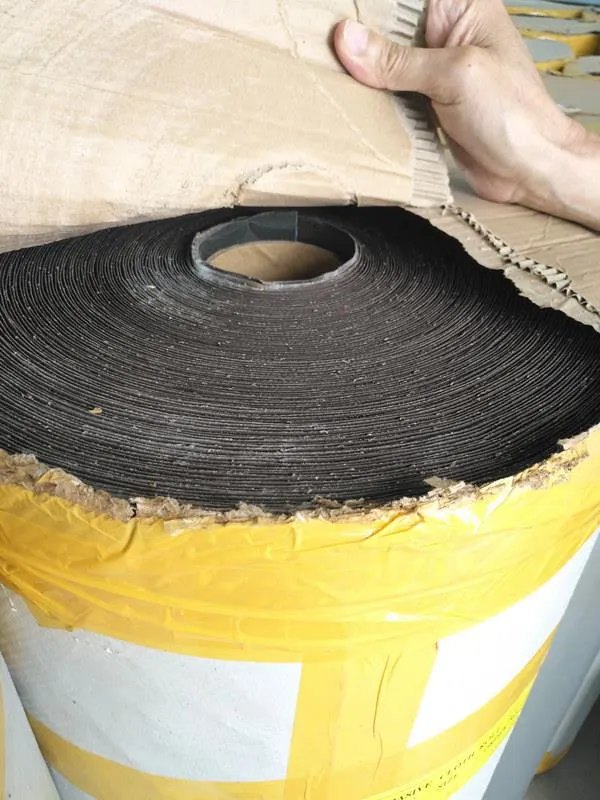

If you're looking to use an abrasive cloth roll on copper, the grit size is super important. A coarse - grit abrasive cloth roll, say with a grit size of 40 - 60, is going to remove material from the copper surface pretty quickly. This can be useful if you're trying to remove a thick layer of oxidation, rust, or if you need to shape the copper in some way. But be careful! Using a too - coarse grit on copper can leave deep scratches on the surface, which might not be what you want, especially if you're working on a decorative piece.
On the other hand, a fine - grit abrasive cloth roll, like one with a grit size of 220 or higher, is great for polishing the copper surface. It can smooth out small scratches and give the copper a nice, shiny finish. You can use it after you've done some initial shaping or cleaning with a coarser grit.
Another thing to consider is the type of abrasive grain. Aluminum oxide is a common choice for abrasive cloth rolls. It's relatively inexpensive and works well on a variety of metals, including copper. It's tough enough to remove material but won't be overly aggressive on the copper surface if you choose the right grit. Silicon carbide, on the other hand, is a bit sharper and more brittle. It can cut through materials faster, but it might be a bit too harsh for copper in some cases. So, for copper, aluminum oxide is usually a safer bet.
When using an abrasive cloth roll on copper, you also need to think about the pressure you're applying. You don't want to press down too hard, especially when using a fine - grit roll. Applying too much pressure can cause the abrasive grains to dig into the copper and create unwanted scratches. A gentle, even pressure is usually the way to go.
Let's talk about some of the benefits of using an abrasive cloth roll on copper. One big advantage is that it gives you a lot of control. Unlike some power tools that can be a bit too aggressive, you can easily adjust the speed and pressure when using an abrasive cloth roll by hand. This makes it ideal for small - scale projects or for working on delicate copper items.
It's also a cost - effective option. Abrasive cloth rolls are relatively inexpensive compared to some other polishing or shaping tools. And since they come in rolls, you can cut off just the amount you need for your project, which helps to save money.
Now, I know you might be wondering where to get the right abrasive cloth roll for your copper project. Well, we've got you covered! Check out our Abrasive Cloth Roll on our website. We offer a wide range of grit sizes and types of abrasive grains, so you can find the perfect one for your needs.
In addition to abrasive cloth rolls, we also have other related products. For example, our Emery Cloth for Coated & Bonded Abrasive is another great option if you're looking for something a bit different. And if you're working on a project that requires a more structured abrasive setup, our Metal Ring can be a useful addition.
If you're new to working with copper and abrasive cloth rolls, here are some tips to get you started. First, always test the abrasive cloth roll on a small, inconspicuous area of the copper. This will let you see how the surface reacts and if the grit and type of abrasive are right for your project. Second, make sure to clean the copper surface before you start. Any dirt or debris on the surface can get trapped between the abrasive cloth and the copper, which can cause scratches.
When you're done using the abrasive cloth roll, it's a good idea to clean the copper surface again to remove any abrasive particles. You can use a soft cloth and some mild soap and water to do this.
In conclusion, yes, you can definitely use an abrasive cloth roll on a copper surface. As long as you choose the right grit size, type of abrasive grain, and apply the right amount of pressure, you can achieve great results. Whether you're looking to clean, shape, or polish copper, an abrasive cloth roll is a versatile and cost - effective tool.
If you're interested in purchasing our abrasive cloth rolls or any of our other products, don't hesitate to reach out. We're here to help you find the perfect solution for your copper projects. Whether you're a DIY enthusiast or a professional in the metalworking industry, we've got the products and the knowledge to support you.
References
- "Metal Finishing Handbook" - A comprehensive guide on working with different metals and finishing techniques.
- "Abrasive Technology Basics" - A resource that explains the different types of abrasives and their applications.