

Do I need any special training to operate a wood chipper machine?
Hey there! I'm a supplier of Wood Chipper Machine, and I get this question a lot: "Do I need any special training to operate a wood chipper machine?" Well, let's dive right into it and break this down.
First off, a wood chipper machine is a pretty powerful piece of equipment. It's designed to take branches, logs, and other woody materials and turn them into small chips. These chips can be used for various purposes, like mulch in your garden, fuel for Biomass Pellet Equipment, or even in the paper - making industry.
Now, the short answer is: it depends. There are a few factors that come into play when deciding whether you need special training or not.
The Type of Wood Chipper
There are different types of wood chippers out there. Small, electric - powered wood chippers are often used for home use. These are generally less powerful and easier to operate compared to their larger, industrial - grade counterparts.
If you're using a small, electric wood chipper for light - duty tasks like chipping small branches in your backyard, you might not need extensive training. The controls are usually straightforward. There's an on/off switch, and you just need to feed the branches into the chute at a proper angle. However, even with these small machines, it's still a good idea to read the user manual thoroughly. The manual will give you important safety instructions, like how to keep your hands a safe distance from the chipper blades.
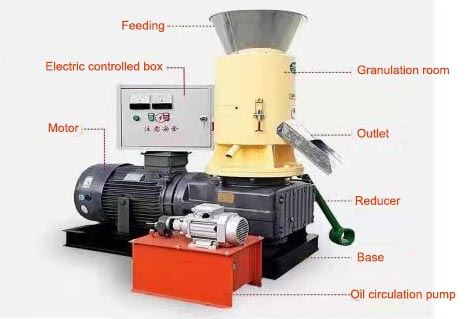
On the other hand, industrial wood chippers are a whole different ballgame. These machines are big, powerful, and can handle large logs and thick branches. They often have more complex controls, such as hydraulic systems for adjusting the feed rate and blade pressure. Operating an industrial wood chipper without proper training can be extremely dangerous. You could end up causing serious damage to the machine, or even worse, injuring yourself or others.
Safety Concerns
Safety is the number one reason why special training might be necessary. Wood chippers have sharp blades that spin at high speeds. If you get your fingers, hands, or clothing caught in the machine, it can lead to severe injuries, including amputations.
Training will teach you how to avoid these risks. You'll learn about proper feeding techniques, like never reaching into the chute while the machine is running. You'll also learn about personal protective equipment (PPE). When operating a wood chipper, you should always wear safety glasses to protect your eyes from flying wood chips, ear protection because the machines can be very loud, and gloves to give you a better grip on the branches.
Maintenance and Troubleshooting
Another aspect of operating a wood chipper is maintenance and troubleshooting. Special training can help you understand how to keep your machine in good working condition. You'll learn how to check the oil levels, sharpen the blades when they get dull, and clean the machine regularly.
If something goes wrong with the wood chipper, trained operators are better equipped to diagnose the problem. They can tell the difference between a minor issue, like a clogged chute, and a major problem, like a malfunctioning motor. This can save you a lot of time and money in the long run, as you can address problems before they get worse.
Legal Requirements
In some areas, there are legal requirements for operating certain types of wood chippers. For example, if you're using a wood chipper for commercial purposes, you might be required by law to have a certain level of training or certification. These regulations are in place to ensure the safety of workers and the public.
So, even if you think you can operate a wood chipper without training, it's important to check your local laws and regulations. Failing to comply with these rules can result in fines or other penalties.
Where to Get Training
If you decide that you need special training to operate a wood chipper, there are a few options available. Many manufacturers offer training courses for their products. These courses are usually led by experienced technicians who know the ins and outs of their wood chippers. You can learn directly from the people who designed and built the machines.
There are also vocational schools and trade organizations that offer wood chipper training programs. These programs often cover a wide range of topics, from basic operation to advanced maintenance.
My Advice
As a supplier, I always recommend that anyone who is going to operate a wood chipper, whether it's a small home - use model or an industrial machine, at least get some basic training. It doesn't matter if you're a seasoned professional or a newbie. Training will make you a safer and more efficient operator.
If you're thinking about purchasing a wood chipper from us, we can provide you with some basic information about operating and maintaining the machine. But for more in - depth training, we can also point you in the right direction to find a suitable training program.
In conclusion, while you might be able to get away with operating a small wood chipper without special training for light - duty tasks, it's always better to be safe than sorry. For industrial machines or commercial use, special training is almost a must. It'll keep you safe, help you get the most out of your wood chipper, and ensure that you're complying with any legal requirements.
If you're interested in buying a wood chipper or have any questions about our products, feel free to reach out. We're here to help you make the right choice for your needs. Whether you're a homeowner looking to spruce up your garden or a business owner in need of a reliable wood - chipping solution, we've got you covered.
References

- Wood Chipper Manufacturer's User Manuals
- Occupational Safety and Health Administration (OSHA) Guidelines on Wood Chipper Operation
- Vocational School Training Materials on Wood Chipper Operation and Maintenance