

Hey there! I'm a supplier of China Sand Cloth, and today I wanna chat about a common question: Does China Sand Cloth attract dust easily?
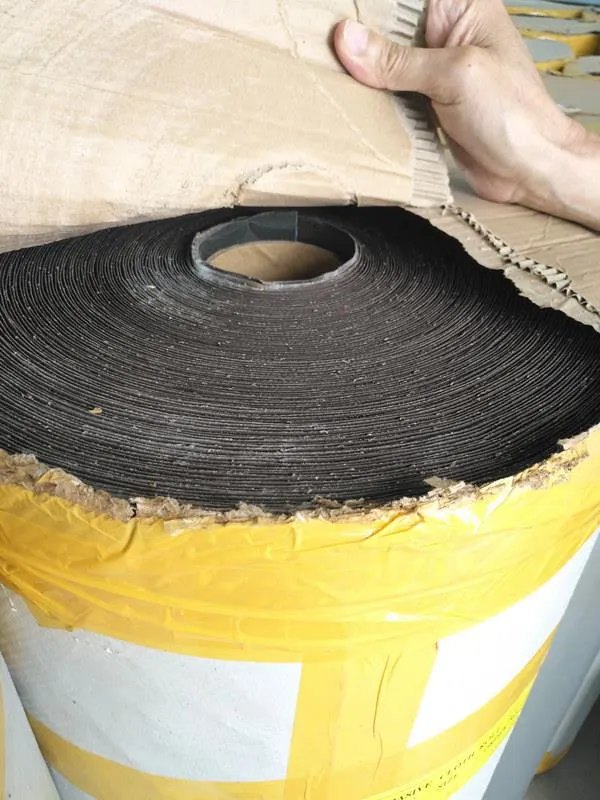
First off, let's understand what China Sand Cloth is. It's a type of abrasive material that's widely used in various industries for sanding, polishing, and finishing. It's made by bonding abrasive grains to a cloth backing, and it comes in different grits and sizes to suit different applications.
Now, onto the big question. Does it attract dust easily? Well, the answer isn't a simple yes or no. It depends on a few factors.
Factors Affecting Dust Attraction
Abrasive Grain Type
The type of abrasive grain used on the sand cloth plays a huge role. Some grains are more likely to generate and hold onto dust than others. For example, silicon carbide grains are known for their sharpness and ability to cut through materials quickly. But during the sanding process, they can also produce fine dust particles. These particles can stick to the sand cloth, especially if the cloth has a rough surface texture.
On the other hand, aluminum oxide grains are more durable and less likely to break down into fine dust. They tend to generate larger dust particles that are less likely to adhere to the sand cloth. So, if you're using a China Sand Cloth with aluminum oxide grains, you might find that it attracts less dust compared to one with silicon carbide grains.
Cloth Backing Material
The material of the cloth backing also affects dust attraction. Some cloth backings are more porous than others, which means they can trap dust more easily. For instance, a cotton cloth backing might be more porous and absorbent, allowing dust to get stuck in its fibers. In contrast, a synthetic cloth backing like polyester is often smoother and less porous, making it less likely to attract and hold dust.
Sanding Conditions
The way you use the sand cloth can also impact dust attraction. If you're sanding a soft material, like wood or plastic, the dust particles are usually larger and less likely to stick to the sand cloth. However, if you're sanding a hard material, like metal or stone, the dust particles can be much finer and more likely to adhere to the cloth.
Also, the pressure you apply during sanding matters. If you press too hard, you can generate more heat and friction, which can cause the dust to melt or stick to the sand cloth. On the other hand, if you sand too lightly, you might not remove enough material, and the dust can build up on the surface of the cloth.
How to Minimize Dust Attraction
Even though China Sand Cloth might attract some dust, there are ways to minimize this issue.

Choose the Right Abrasive Grain
As I mentioned earlier, the type of abrasive grain can make a big difference. If you're concerned about dust attraction, consider using a sand cloth with aluminum oxide grains. They're less likely to generate fine dust and are more durable, so they'll last longer. You can check out Emery Cloth for Coated & Bonded Abrasive for a variety of options with different abrasive grains.
Use a Dust Collection System
A dust collection system is a great way to keep the dust under control. It can suck up the dust as you sand, preventing it from settling on the sand cloth and in the air. There are different types of dust collection systems available, from small handheld vacuums to large industrial systems. Make sure to choose one that's suitable for your sanding needs.
Clean the Sand Cloth Regularly
Regular cleaning can help remove the dust that's already stuck to the sand cloth. You can use a brush or compressed air to blow off the dust. Just be careful not to damage the abrasive grains. If the sand cloth is really dirty, you can soak it in a mild detergent solution and then rinse it thoroughly. Let it dry completely before using it again.
Consider Using a Fiberglass Net
A Fiberglass Net can be placed between the sand cloth and the workpiece. It acts as a barrier, preventing the dust from directly contacting the sand cloth. This can significantly reduce dust attraction and also improve the sanding performance.
Benefits of China Sand Cloth Despite Dust Concerns
Even though there might be some dust attraction issues, China Sand Cloth has many benefits that make it a popular choice in the industry.
Cost-Effective
China Sand Cloth is generally more affordable compared to other abrasive materials. This makes it a great option for small businesses and DIY enthusiasts who are on a budget. You can get a high-quality sand cloth at a reasonable price, without sacrificing performance.
Versatile
It can be used for a wide range of applications, from sanding wood and metal to polishing plastics and ceramics. With different grits available, you can choose the right sand cloth for your specific needs. Whether you're doing a light sanding job or a heavy-duty grinding task, China Sand Cloth can get the job done.
Good Abrasive Performance
China Sand Cloth offers excellent abrasive performance. The abrasive grains are firmly bonded to the cloth backing, ensuring a consistent and efficient sanding process. It can quickly remove material and leave a smooth finish on the workpiece. You can also check out Abrasive Cloth Roll for a continuous supply of sand cloth for your projects.
Conclusion
So, does China Sand Cloth attract dust easily? It can, depending on the factors I mentioned earlier. But with the right choice of abrasive grain, proper sanding techniques, and regular cleaning, you can minimize dust attraction and make the most of this versatile abrasive material.
If you're interested in purchasing China Sand Cloth or any of the related products I mentioned, feel free to reach out for a procurement discussion. I'm here to help you find the best solutions for your sanding needs.
References
- Abrasive Technology Handbook
- Industrial Abrasives: Types and Applications