

When it comes to stainless steel grinding, selecting the right flap disc backing is crucial for achieving optimal results. As a flap disc backing supplier, I understand the importance of this decision and am here to guide you through the process. In this blog post, I'll share some key factors to consider when choosing a flap disc backing for stainless steel grinding.
Understanding the Basics of Flap Disc Backings
Flap disc backings serve as the foundation for the abrasive flaps in a flap disc. They provide support, stability, and determine the disc's overall performance. There are several types of flap disc backings available, each with its own unique characteristics and suitability for different applications. The most common types include plastic plates, fiber glass plates, and plastic backing pads.
- Plastic Plate for Flap Disc: Plastic plates are lightweight, cost - effective, and offer good flexibility. They are often used in applications where a smooth finish is required. You can learn more about Plastic Plate for Flap Disc.
- Fiber Glass Plate for Flap Disc: Fiber glass plates are known for their high strength and durability. They can withstand heavy - duty grinding and are suitable for applications that require a high removal rate. Check out Fiber Glass Plate for Flap Disc for more details.
- Flap Disc Backing Plate _plasic: Plastic backing pads offer a balance between flexibility and durability. They are commonly used in general - purpose grinding applications. Find more information on Flap Disc Backing Plate _plasic.
Factors to Consider When Choosing a Flap Disc Backing for Stainless Steel Grinding
1. Grinding Application
The first step in choosing the right flap disc backing is to understand the specific grinding application. Are you doing light - duty finishing work or heavy - duty material removal?
- Light - duty Finishing: If you are looking to achieve a smooth surface finish on stainless steel, a plastic plate or a plastic backing pad might be the best choice. These backings are more flexible, which allows the abrasive flaps to conform to the surface better, resulting in a finer finish.
- Heavy - duty Material Removal: For applications that require a high removal rate, such as removing weld beads or large amounts of material, a fiber glass plate is a better option. Its high strength can withstand the forces generated during heavy grinding.
2. Abrasive Grain and Bond
The type of abrasive grain and bond used in the flap disc also plays a role in backing selection.
- Abrasive Grain: Different abrasive grains have different properties. For stainless steel grinding, aluminum oxide or zirconia alumina grains are commonly used. Aluminum oxide is suitable for general - purpose grinding and finishing, while zirconia alumina is more aggressive and better for heavy - duty applications. The backing should be able to support the type of abrasive grain used. For example, a more rigid backing like a fiber glass plate is better for zirconia alumina grains, as they generate more force during grinding.
- Bond: The bond holds the abrasive grains to the backing. There are different types of bonds, such as resin bonds and vitrified bonds. Resin - bonded flap discs are more flexible and are often used with plastic or plastic backing pads. Vitrified - bonded flap discs are more rigid and are better paired with fiber glass plates.
3. Speed and Pressure
The speed at which the flap disc rotates and the pressure applied during grinding are important factors.
- Speed: Higher speeds require a more stable backing. Fiber glass plates are better able to handle high - speed grinding because of their high strength. Plastic plates and plastic backing pads may deform at very high speeds, affecting the performance of the flap disc.
- Pressure: If you apply a lot of pressure during grinding, a stronger backing is needed. A fiber glass plate can withstand higher pressures without breaking or deforming, ensuring consistent performance.
4. Heat Resistance
Stainless steel grinding generates a significant amount of heat. The backing material should have good heat resistance to prevent damage and ensure the longevity of the flap disc.

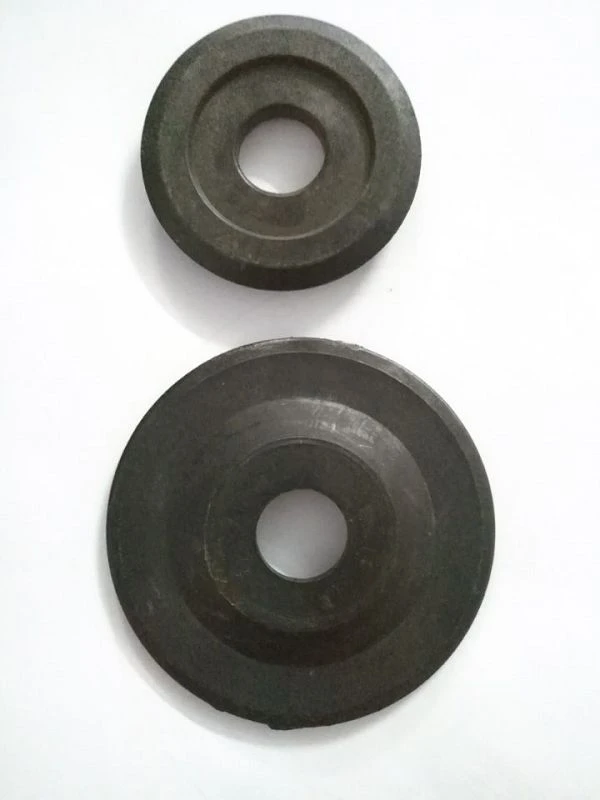
- Fiber Glass Plates: Fiber glass plates have excellent heat resistance. They can withstand high temperatures without losing their strength, making them suitable for long - term, high - heat grinding applications.
- Plastic Backings: Plastic plates and plastic backing pads have lower heat resistance compared to fiber glass plates. However, some plastic materials are engineered to have better heat - resistant properties. When using plastic backings, it's important to monitor the temperature during grinding to avoid overheating.
5. Cost
Cost is always a consideration in any purchasing decision.
- Plastic Backings: Plastic plates and plastic backing pads are generally more cost - effective. They are a good choice for budget - conscious users or for applications where a high - performance, expensive backing is not necessary.
- Fiber Glass Plates: Fiber glass plates are more expensive due to their high strength and durability. However, they offer a longer service life and better performance in heavy - duty applications, which can result in cost savings in the long run.
Testing and Quality Assurance
Before making a large - scale purchase, it's a good idea to test different flap disc backings in your specific application. This will allow you to evaluate their performance firsthand and make an informed decision.
- Sample Testing: Request samples from your flap disc backing supplier and test them on your stainless steel workpieces. Pay attention to factors such as finish quality, material removal rate, and backing durability during the test.
- Quality Assurance: Ensure that the supplier has a quality assurance program in place. Look for certifications such as ISO 9001, which indicates that the supplier follows strict quality control procedures.
Conclusion
Choosing the right flap disc backing for stainless steel grinding is a complex decision that depends on several factors, including the grinding application, abrasive grain and bond, speed and pressure, heat resistance, and cost. As a flap disc backing supplier, I can provide you with the expertise and high - quality products you need to make the best choice for your specific requirements.
If you have any questions or would like to discuss your flap disc backing needs further, please feel free to contact us. We are ready to assist you in finding the perfect solution for your stainless steel grinding applications. Let's work together to achieve the best results in your grinding operations.
References
- "Grinding Technology: Theory and Applications of Machining with Abrasives" by Stephen Malkin.
- "Abrasive Machining Processes" by Peter K. Wright and David A. Batchelor.