

The balance of a flap disc backing is a critical factor that significantly influences the grinding operation. As a trusted supplier of flap disc backing, I have witnessed firsthand how the balance of these components can make or break the efficiency and quality of the grinding process. In this blog, I will delve into the science behind the balance of flap disc backing and explore its impact on grinding operations.
Understanding the Basics of Flap Disc Backing
Before we discuss the balance of flap disc backing, let's first understand what it is and its role in the grinding process. A flap disc backing is a crucial component of a flap disc, which is a type of abrasive tool used for grinding, blending, and finishing various materials. The backing provides support for the abrasive flaps, ensuring they are held securely in place during the grinding operation.
There are different types of flap disc backing available in the market, each with its own unique properties and applications. Some common types include Plastic Plate for Flap Disc, Flap Disc Backing Plate _plasic, and Fiber Glass Plate for Flap Disc. These backings are made from various materials such as plastic, fiberglass, and metal, and they come in different shapes and sizes to suit different grinding needs.
The Importance of Balance in Flap Disc Backing
The balance of a flap disc backing refers to the even distribution of mass around the axis of rotation. A well-balanced backing ensures that the flap disc rotates smoothly and evenly, minimizing vibrations and reducing the risk of premature wear and tear. On the other hand, an unbalanced backing can cause the flap disc to wobble or vibrate during operation, leading to uneven grinding, poor surface finish, and increased stress on the grinding equipment.
One of the primary reasons why balance is so important in flap disc backing is its impact on the grinding performance. When a flap disc is balanced correctly, it can maintain a consistent cutting action, resulting in more efficient material removal and a smoother finish. This is particularly important when working on precision grinding applications where accuracy and quality are crucial.
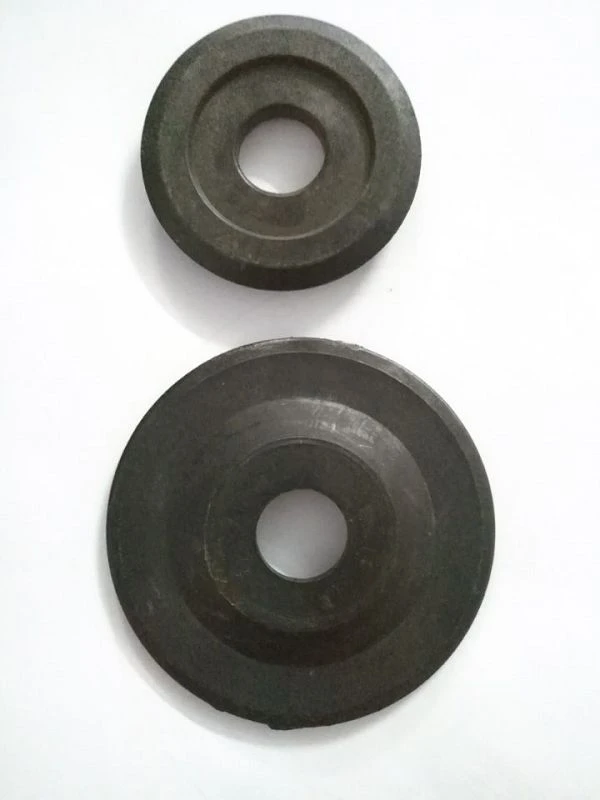

In addition to improving grinding performance, balance also plays a significant role in the safety of the grinding operation. An unbalanced flap disc can generate excessive vibrations, which can cause the tool to become unstable and difficult to control. This increases the risk of accidents and injuries, especially when working at high speeds or with heavy-duty grinding equipment.
Factors Affecting the Balance of Flap Disc Backing
Several factors can affect the balance of a flap disc backing. One of the most common factors is the manufacturing process. During the production of the backing, any inconsistencies in the material distribution or manufacturing tolerances can result in an unbalanced product. For example, if the backing is not machined to the correct specifications or if there are variations in the thickness or density of the material, it can cause the flap disc to be out of balance.
Another factor that can affect the balance of flap disc backing is the installation process. If the backing is not installed correctly on the grinding tool, it can cause the flap disc to be misaligned, leading to imbalance. This can happen if the backing is not centered properly or if the mounting hardware is loose or damaged.
The condition of the backing also plays a role in its balance. Over time, the backing can wear out or become damaged, which can affect its mass distribution and cause it to become unbalanced. This is particularly common in high-volume grinding applications where the backing is subjected to constant wear and tear.
Measuring and Correcting the Balance of Flap Disc Backing
To ensure the balance of flap disc backing, it is essential to measure and correct any imbalances before using the tool. There are several methods available for measuring the balance of a flap disc backing, including static balancing and dynamic balancing.
Static balancing is a simple and cost-effective method that involves placing the flap disc on a balancing stand and adjusting the position of the backing until it is level. This method is suitable for low-speed grinding applications where the centrifugal forces are relatively small.
Dynamic balancing, on the other hand, is a more accurate and sophisticated method that involves spinning the flap disc at high speeds and using sensors to measure the vibrations and imbalances. This method is typically used for high-speed grinding applications where the centrifugal forces are significant and where a high level of precision is required.
Once the imbalance has been measured, it can be corrected by adding or removing weight from the backing. This can be done by drilling holes in the backing or by adding small weights to the opposite side of the imbalance. The goal is to achieve a balanced condition where the mass is evenly distributed around the axis of rotation.
Impact of Balanced Flap Disc Backing on Grinding Operations
The use of a balanced flap disc backing can have a significant impact on the grinding operations. Here are some of the key benefits:
- Improved Grinding Performance: A balanced flap disc backing ensures a consistent cutting action, resulting in more efficient material removal and a smoother finish. This can reduce the time and effort required for grinding, leading to increased productivity.
- Enhanced Safety: By minimizing vibrations and reducing the risk of tool instability, a balanced flap disc backing improves the safety of the grinding operation. This can help prevent accidents and injuries, protecting both the operator and the equipment.
- Extended Tool Life: A balanced flap disc backing reduces the stress on the grinding tool, which can extend its lifespan. This can result in cost savings by reducing the frequency of tool replacement.
- Better Surface Finish: The smooth and even rotation of a balanced flap disc backing helps to achieve a better surface finish, which is essential for applications where aesthetics and quality are important.
Conclusion
In conclusion, the balance of a flap disc backing is a critical factor that can significantly affect the grinding operation. A well-balanced backing ensures smooth and even rotation, improving grinding performance, enhancing safety, and extending the tool life. As a supplier of flap disc backing, I understand the importance of providing high-quality, balanced products to meet the needs of our customers.
If you are looking for a reliable supplier of flap disc backing, I encourage you to contact us to discuss your requirements. We offer a wide range of flap disc backing options, including Plastic Plate for Flap Disc, Flap Disc Backing Plate _plasic, and Fiber Glass Plate for Flap Disc, all of which are carefully manufactured and tested to ensure optimal balance and performance.
References
- ASTM International. (2019). Standard Specification for Abrasive Flap Wheels. ASTM D3778-19.
- ISO. (2020). ISO 603-5:2020 - Bonded Abrasives - Dimensions - Part 5: Flap Wheels.
- Grinding and Abrasives Manufacturers' Association. (2018). Abrasive Flap Wheels: A Guide to Selection and Use.