

When it comes to the medical field, the demand for high - quality materials is always at a premium. One such material that often goes unnoticed but plays a crucial role is medical sand cloth. As a supplier of sand cloth, I am frequently asked about the cost of medical - grade sand cloth. In this blog, I will delve into the factors that influence the price of medical sand cloth and provide a comprehensive overview of what you can expect in terms of cost.
Understanding Medical Sand Cloth
Medical sand cloth is a specialized type of abrasive material that is designed for use in medical applications. It is often used in surgical instruments, medical device manufacturing, and even in some skin - related treatments. The sand cloth used in the medical field needs to meet strict quality and safety standards. It must be free from contaminants, have a consistent abrasive surface, and be able to withstand sterilization processes.
Factors Affecting the Cost of Medical Sand Cloth
1. Quality and Purity
The quality and purity of the sand cloth materials are the most significant factors affecting the price. Medical - grade sand cloth is made from high - purity abrasive grains, such as aluminum oxide or silicon carbide. These grains are carefully selected and processed to ensure they meet the strict requirements of the medical industry. Higher - purity grains are more expensive to produce, which directly impacts the cost of the final sand cloth product.
For example, if a sand cloth uses a high - grade aluminum oxide with a purity level of over 99%, it will be more costly than one with a lower purity level. The manufacturing process for high - purity grains involves more precise control and additional purification steps, leading to increased production expenses.
2. Abrasive Grain Size
The size of the abrasive grains on the sand cloth also affects its price. Finer grain sizes are generally more expensive because they require more sophisticated manufacturing techniques. In medical applications, different grain sizes are used for various purposes. For instance, a very fine - grained sand cloth might be used for polishing medical instruments to a smooth finish, while a coarser - grained one could be used for more heavy - duty grinding during device manufacturing.
The production of fine - grained sand cloth involves processes like micro - milling and precise sieving to ensure uniform grain size. These processes are time - consuming and require specialized equipment, driving up the cost of the product.
3. Backing Material
The backing material of the sand cloth is another important cost - determining factor. Medical sand cloth can have different types of backing materials, such as paper, cloth, or film. Each backing material has its own characteristics and costs.
For medical applications, a durable and tear - resistant backing material is often required. Cloth backing is a popular choice in the medical field because it provides good flexibility and strength. However, high - quality cloth backing materials are more expensive than paper or basic film backings. The cost of treating the backing material to make it suitable for medical use, such as making it resistant to moisture and chemicals, also adds to the overall price.
4. Manufacturing Process
The manufacturing process of medical sand cloth is complex and highly regulated. The production involves multiple steps, including coating the abrasive grains onto the backing material, curing, and quality control checks. Each step requires careful attention to detail and compliance with medical industry standards.
For example, the coating process needs to ensure an even distribution of abrasive grains on the backing material. Any uneven coating can lead to inconsistent performance, which is unacceptable in medical applications. Quality control checks are also more rigorous for medical sand cloth compared to other types of sand cloth, as the safety and effectiveness of medical devices and treatments depend on it. These additional manufacturing and quality control requirements increase the production cost and, consequently, the price of the sand cloth.
5. Quantity of Purchase
The quantity of sand cloth you purchase can also influence the cost. Generally, larger quantity orders will result in a lower unit price. This is because suppliers can benefit from economies of scale. When producing a large volume of sand cloth, the cost per unit for raw materials, labor, and manufacturing overhead can be reduced.
For example, if you order a small quantity of medical sand cloth for a research project, you may pay a higher price per square meter compared to a large - scale manufacturer that orders in bulk for regular production. However, it's important to note that storing large quantities of sand cloth also incurs additional costs, such as warehousing and inventory management.
Typical Price Ranges
Based on the factors mentioned above, the price of medical sand cloth can vary widely. Generally, the price can range from a few dollars per square meter for a basic, lower - quality sand cloth to over $50 per square meter for a high - end, medical - grade product.
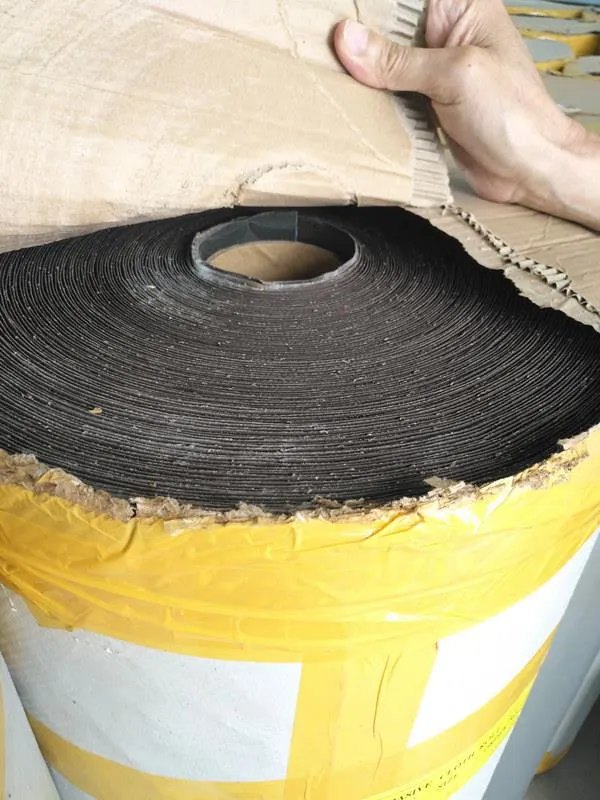

For a low - cost option, you might find a sand cloth with a medium - grade abrasive grain and a simple paper backing. This type of sand cloth could be suitable for some less - critical medical laboratory applications and might cost around $3 - $5 per square meter.
On the other hand, a high - quality sand cloth with a fine - grained abrasive, a durable cloth backing, and high - purity grains, designed for use in surgical instrument manufacturing, could cost upwards of $20 - $50 per square meter.
Comparison with Non - Medical Sand Cloth
It's important to note that the price of medical sand cloth is significantly higher than that of non - medical sand cloth. Non - medical sand cloth, such as the ones used in woodworking or metalworking, does not need to meet the same strict quality and safety standards as medical sand cloth.
Non - medical sand cloth can be made from lower - grade materials and with less precise manufacturing processes. For example, a sand cloth used for general woodworking might use a lower - purity abrasive grain and a less - durable backing material. As a result, it can be purchased at a much lower price, often less than $1 per square meter.
However, using non - medical sand cloth in medical applications is not advisable due to the potential risks associated with contaminants and inconsistent performance.
Related Products and Their Costs
In addition to medical sand cloth, there are other related products in the abrasive materials market. For example, Emery Cloth for Coated & Bonded Abrasive is a type of sand cloth that is commonly used in various industrial applications. The cost of emery cloth depends on similar factors as medical sand cloth, such as grain size, backing material, and quality. However, since it is not specifically designed for medical use, the price is generally lower.
Another related product is Fiberglass Net, which can be used in combination with sand cloth in some abrasive applications. Fiberglass net provides additional strength and support to the sand cloth. The cost of fiberglass net varies depending on its thickness, mesh size, and quality.
Metal Ring is also an important component in some abrasive products. Metal rings are used to hold the sand cloth in place and provide stability during use. The price of metal rings depends on the type of metal used, its thickness, and the manufacturing process.
Conclusion
The cost of medical sand cloth is influenced by multiple factors, including quality and purity of abrasive grains, grain size, backing material, manufacturing process, and quantity of purchase. As a supplier, I understand the importance of providing high - quality sand cloth that meets the strict requirements of the medical industry. While the price of medical sand cloth may be higher compared to non - medical alternatives, it is a necessary investment to ensure the safety and effectiveness of medical devices and treatments.
If you are in the medical industry and are interested in purchasing medical sand cloth, I encourage you to contact me for a detailed quote. We can discuss your specific requirements, and I will do my best to provide you with a cost - effective solution that meets your needs. Whether you need a small quantity for a research project or a large - scale supply for regular production, I am here to assist you in finding the right medical sand cloth at a competitive price. Do not hesitate to reach out for procurement discussions, and let's work together to meet your abrasive material needs in the medical field.
References
- Smith, J. (2020). Abrasive Materials in the Medical Industry. Journal of Medical Manufacturing, 15(3), 45 - 52.
- Johnson, A. (2019). The Role of Sand Cloth in Medical Device Production. Medical Engineering Review, 22(2), 78 - 85.
- Brown, C. (2021). Quality Control in Medical Abrasive Material Manufacturing. International Journal of Medical Materials, 8(1), 12 - 20.