

How often should the parts of sand cloth equipment be replaced?
As a seasoned supplier of sand cloth equipment, I've encountered numerous inquiries from customers regarding the replacement frequency of various parts in sand cloth machinery. This is a critical topic as it directly impacts the efficiency, safety, and overall cost - effectiveness of operations. In this blog, I'll delve into the factors that influence part replacement intervals and provide some general guidelines for different components of sand cloth equipment.
Factors Affecting Part Replacement Frequency
1. Usage Intensity
The more frequently and intensively the sand cloth equipment is used, the shorter the lifespan of its parts. For instance, in a high - volume manufacturing facility where the equipment runs around the clock, parts will wear out much faster compared to a small workshop that only uses the machinery a few hours a day. High - speed operations, heavy - duty grinding, and continuous use can cause increased friction, heat, and stress on components, leading to premature wear.
2. Quality of Raw Materials
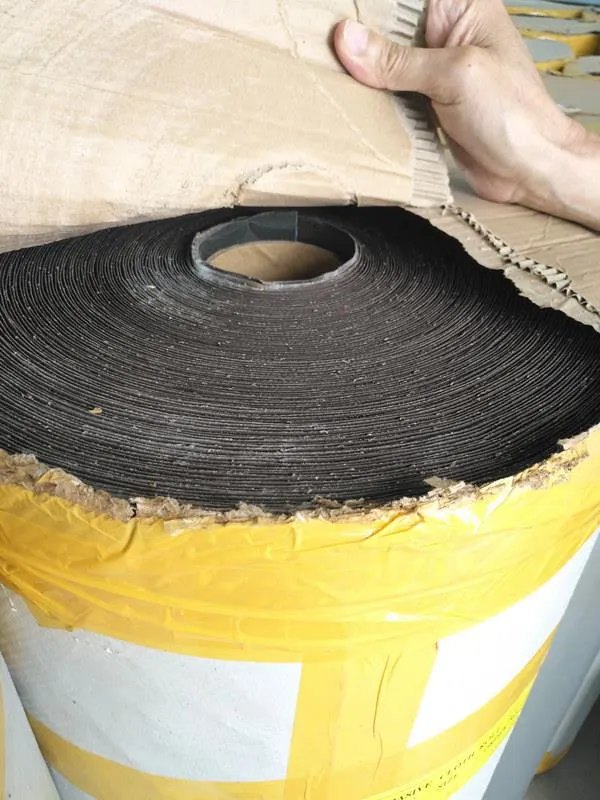
The quality of the sand cloth itself, such as Abrasive Cloth Roll and Emery Cloth for Coated & Bonded Abrasive, plays a significant role. Inferior quality sand cloth may have inconsistent abrasive particles, which can cause uneven wear on the equipment's parts. High - quality raw materials, on the other hand, are more likely to provide a smoother and more even operation, reducing the stress on the machinery.
3. Maintenance Practices
Regular maintenance is key to extending the life of sand cloth equipment parts. Proper lubrication, cleaning, and alignment checks can prevent excessive wear and tear. For example, if the bearings are not lubricated at the recommended intervals, they will experience increased friction, leading to faster deterioration. Similarly, a dirty or clogged dust collection system can cause overheating and damage to other components.
4. Operating Environment
The environment in which the sand cloth equipment operates also affects part replacement frequency. Harsh environments with high levels of dust, moisture, or extreme temperatures can accelerate the corrosion and wear of parts. In a coastal area with high humidity, for example, metal parts are more likely to rust, while in a dusty industrial setting, filters and other components may need to be replaced more frequently.
Replacement Guidelines for Different Parts
1. Abrasive Belts and Discs
Abrasive belts and discs are the most consumable parts of sand cloth equipment. Their replacement frequency depends on the type of material being ground, the hardness of the abrasive, and the pressure applied during operation. In general, for light - duty applications on soft materials like wood or plastic, abrasive belts may last for several hours of continuous use. However, for heavy - duty grinding on hard metals, they may need to be replaced every 30 minutes to an hour. It's important to regularly inspect the abrasive surface for signs of wear, such as a decrease in cutting efficiency or a change in the surface finish.
2. Bearings
Bearings are crucial for the smooth operation of sand cloth equipment, as they support rotating parts. The lifespan of bearings can vary widely depending on the factors mentioned above. Under normal operating conditions, bearings may need to be replaced every 1000 - 2000 hours of use. However, in high - stress or harsh environments, this interval may be reduced to as little as 500 hours. Signs of bearing failure include excessive noise, vibration, or increased operating temperature.
3. Motors
Motors are the power source of sand cloth equipment. They are designed to have a relatively long lifespan, but their performance can be affected by overloading, overheating, or electrical issues. In a well - maintained and properly used equipment, motors may last for several years. However, if the motor is frequently overloaded or exposed to dirty or wet conditions, its lifespan can be significantly shortened. Regular checks of the motor's electrical connections, insulation resistance, and cooling system are essential to ensure its longevity.
4. Dust Collection Systems
Dust collection systems are important for maintaining a clean and safe working environment. Filters in dust collection systems need to be replaced regularly to ensure efficient dust removal. The replacement frequency depends on the amount of dust generated during operation. In a high - dust environment, filters may need to be replaced every few weeks, while in a low - dust setting, they may last for several months. Additionally, the dust collection hoses and ducts should be inspected for blockages and damage, and replaced if necessary.
5. Belts and Pulleys
Belts and pulleys are used to transfer power from the motor to other parts of the equipment. They are subject to wear and stretching over time. The replacement frequency of belts and pulleys depends on the tension, speed, and load. In general, belts may need to be replaced every 6 - 12 months, while pulleys may last longer but should be inspected regularly for signs of wear or damage.
Importance of Regular Part Replacement
Regular part replacement is not only crucial for the performance of sand cloth equipment but also for safety reasons. Worn - out parts can lead to equipment failure, which can cause injuries to operators and damage to the workpiece. Additionally, using worn - out parts can result in a decrease in productivity, as the equipment may operate less efficiently. By following the recommended replacement intervals, you can ensure that your sand cloth equipment operates at its best, reducing downtime and maintenance costs in the long run.

Conclusion
Determining the optimal replacement frequency for the parts of sand cloth equipment is a complex process that depends on multiple factors. By considering usage intensity, raw material quality, maintenance practices, and operating environment, you can develop a more accurate replacement schedule for each component. As a supplier, I'm committed to providing high - quality sand cloth equipment and offering professional advice on part replacement. If you have any questions or need assistance with your sand cloth equipment, feel free to reach out to me for a detailed discussion and potential procurement opportunities. We can work together to ensure that your operations run smoothly and efficiently.
References
- Abrasive Technology Handbook, various industry experts
- Equipment Manufacturer's Manuals, different sand cloth equipment manufacturers