

Hey there! I'm a supplier of Wood Chipper Machines, and I know that keeping your wood chipper in top - notch condition is super important. One key aspect of maintenance is adjusting the tension of the belts in your wood chipper machine. In this blog, I'll walk you through how to do it right.
First off, let's understand why belt tension matters. The belts in a wood chipper transfer power from the engine to the chipper blades. If the belts are too loose, they can slip, which means less power gets to the blades. This results in inefficient chipping, and the belts can wear out faster due to the slipping. On the other hand, if the belts are too tight, it can put extra stress on the bearings and other components of the machine, leading to premature failure.
Tools You'll Need
Before you start adjusting the belt tension, you'll need a few tools. A basic set of wrenches is a must - have. You'll also need a belt tension gauge. This tool helps you measure the exact tension of the belt, so you can get it just right. Some people might try to do it by hand, feeling the tightness of the belt, but that's not as accurate as using a gauge.
Step 1: Safety First
Before you even think about touching the belts, make sure the wood chipper is turned off and unplugged (if it's an electric model) or the fuel is shut off (for gas - powered ones). Also, let the engine cool down if it's been running recently. You don't want to get burned or have the machine start up accidentally while you're working on it.
Step 2: Locate the Belt and Tensioning Mechanism
Open up the access panel of your wood chipper to find the belts. Usually, there are one or more V - belts. The tensioning mechanism can vary depending on the model of your wood chipper. Some machines have an adjustable pulley that you can move to change the belt tension. Others might have a bolt - and - nut system that you can loosen or tighten to adjust the position of a component that affects the belt tension.

Step 3: Check the Manufacturer's Specifications
Every wood chipper is different, so it's crucial to check the manufacturer's manual for the correct belt tension specifications. This information is usually given in pounds of force or a specific measurement on the belt tension gauge. You can't just go by what seems right; you need to follow the guidelines to ensure optimal performance.
Step 4: Measure the Current Belt Tension
Use your belt tension gauge to measure the current tension of the belt. Place the gauge on the belt at the mid - span between two pulleys. The gauge will give you a reading. Compare this reading with the manufacturer's specifications. If the reading is too low, the belt is too loose; if it's too high, the belt is too tight.
Step 5: Adjust the Belt Tension
If the belt is too loose, you'll need to increase the tension. For machines with an adjustable pulley, loosen the bolts that hold the pulley in place. Then, move the pulley in the direction that will tighten the belt. Once you've moved it a bit, retighten the bolts. If it's a bolt - and - nut system, turn the nut to move the component that adjusts the belt tension. Make small adjustments at a time and keep re - measuring the tension with the gauge until you reach the correct value.
If the belt is too tight, do the opposite. Loosen the appropriate bolts or nuts and move the pulley or component to decrease the tension. Again, make small adjustments and re - measure until you get the right tension.
Step 6: Re - check and Test
After you've made the adjustments, re - check the belt tension one more time to make sure it's within the manufacturer's specifications. Then, close the access panel and start up the wood chipper. Listen for any unusual noises. If the belts are still slipping or if you hear a squealing sound, you might need to make further adjustments.
Importance of Regular Belt Tension Checks
Regularly checking and adjusting the belt tension is not just a one - time thing. Over time, the belts can stretch, and the components that affect the tension can shift. It's a good idea to check the belt tension at least once a month if you use the wood chipper frequently. If you use it less often, a quarterly check should be sufficient.
Our Wood Chipper Machines and Related Products
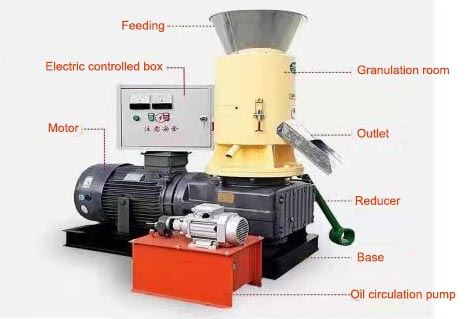
As a supplier of [Wood Chipper Machine]( /wooden - machine/wood - chipper - machine.html), we offer high - quality machines that are built to last. Our wood chippers are designed with ease of maintenance in mind, so adjusting the belt tension is a relatively straightforward process. And if you're into biomass pellet production, we also have [Biomass Pellet Equipment]( /wooden - machine/biomass - pellet - equipment.html) that can work hand - in - hand with our wood chippers. The wood chips produced by our chippers can be further processed into biomass pellets using our equipment, which is a great way to turn waste wood into a valuable energy source.
Conclusion
Adjusting the belt tension in a wood chipper machine is an important part of maintenance. By following these steps and regularly checking the tension, you can ensure that your wood chipper runs efficiently and has a long lifespan. If you have any questions about our wood chipper machines or need more tips on maintenance, don't hesitate to reach out. We're here to help you make the most of your equipment. Whether you're a professional arborist or a homeowner looking to clear some yard waste, our wood chippers and related products can meet your needs. So, if you're interested in purchasing a wood chipper or biomass pellet equipment, get in touch with us for a procurement discussion. We're eager to work with you and provide you with the best solutions for your wood - processing needs.
References
- Wood Chipper Machine Manufacturer's Manuals
- General Woodworking and Equipment Maintenance Guides