

Calibrating a China Abrasive Machine is a crucial process that ensures its optimal performance and longevity. As a leading supplier of China Abrasive Machines, I understand the significance of proper calibration in maintaining the quality and efficiency of these machines. In this blog, I will share some valuable insights on how to calibrate a China Abrasive Machine effectively.
Understanding the Importance of Calibration
Calibration is the process of adjusting a machine to ensure that it operates within specified parameters. For an abrasive machine, calibration is essential for several reasons. Firstly, it guarantees the accuracy of the cutting or grinding process. A well - calibrated machine will produce precise cuts and smooth finishes, which are vital for meeting the quality standards of various industries. Secondly, calibration helps in extending the lifespan of the machine. By ensuring that all components are working in harmony, it reduces wear and tear on the machine parts, minimizing the need for frequent repairs and replacements. Finally, a calibrated machine is more energy - efficient, which can lead to cost savings in the long run.
Pre - Calibration Checks
Before starting the calibration process, it is important to conduct a series of pre - calibration checks. These checks will help identify any potential issues that could affect the calibration process.
- Visual Inspection: Begin by visually inspecting the machine for any signs of damage or wear. Check the belts, pulleys, and gears for proper alignment and tightness. Look for any loose or missing parts, and ensure that all safety guards are in place.
- Cleaning: Clean the machine thoroughly to remove any dirt, debris, or abrasive particles that may have accumulated on the surfaces. This will prevent interference during the calibration process and ensure accurate readings.
- Power Supply: Verify that the machine is connected to a stable power supply. Fluctuations in power can affect the performance of the machine and lead to inaccurate calibration.
Calibration Steps for a China Abrasive Machine
1. Speed Calibration
The speed of an abrasive machine is a critical parameter that affects the cutting and grinding performance. To calibrate the speed:
- Use a Tachometer: A tachometer is a device used to measure the rotational speed of a shaft. Attach the tachometer to the spindle of the abrasive machine and start the machine. Compare the reading on the tachometer with the recommended speed specified in the machine's manual.
- Adjust the Speed: If the measured speed is different from the recommended speed, adjust the speed control settings on the machine. This may involve changing the pulley sizes or adjusting the frequency of the motor. Make small adjustments and re - measure the speed until the desired speed is achieved.
2. Pressure Calibration
Proper pressure is required for effective cutting and grinding. To calibrate the pressure:
- Pressure Gauge Installation: Install a pressure gauge on the machine's hydraulic or pneumatic system, depending on the type of pressure control used. The pressure gauge will provide a visual indication of the pressure.
- Pressure Adjustment: Refer to the machine's manual to determine the recommended pressure for the specific application. Use the pressure adjustment valves to increase or decrease the pressure until the desired reading is shown on the pressure gauge.
3. Alignment Calibration
Alignment is crucial for ensuring that the cutting or grinding wheel is in the correct position. Misalignment can lead to uneven wear on the wheel and poor cutting performance.
- Laser Alignment Tool: Use a laser alignment tool to check the alignment of the wheel. The laser beam will help you determine if the wheel is parallel to the workpiece and perpendicular to the spindle.
- Adjustment: If misalignment is detected, adjust the wheel's position using the adjustment screws or bolts provided on the machine. Make small adjustments and re - check the alignment until it is correct.
4. Grinding Wheel Truing
Over time, the grinding wheel may become worn or out of shape, which can affect the quality of the grinding process. Truing the grinding wheel restores its shape and sharpness.

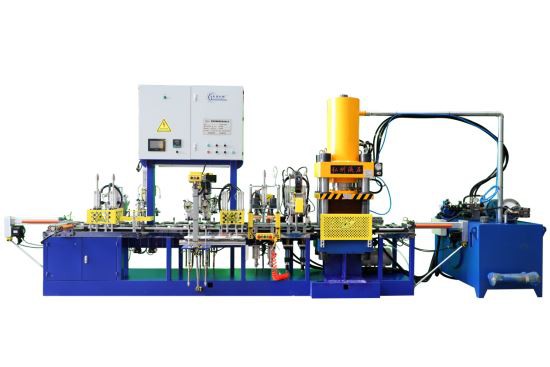
- Truing Tool: Use a truing tool, such as a diamond dresser, to true the grinding wheel. Mount the truing tool on the machine's tool post and bring it into contact with the rotating wheel. Move the truing tool across the face of the wheel to remove any high spots and restore its shape.
- Dressing: After truing, dress the grinding wheel to expose fresh abrasive grains. This can be done using a dressing stick or a dressing wheel.
Post - Calibration Checks
Once the calibration process is complete, it is important to conduct post - calibration checks to ensure that the machine is operating correctly.
- Test Run: Run the machine for a short period and observe its performance. Check for any unusual noises, vibrations, or signs of overheating.
- Quality Inspection: Perform a quality inspection of the workpieces produced by the machine. Check the accuracy of the cuts or grinding, and ensure that the surface finish meets the required standards.
Related Products
As a supplier of China Abrasive Machines, we offer a wide range of products to meet your specific needs. You can explore our Abrasive Cutting And Grinding Wheel Forming Machine, which is designed for precise wheel forming. Our Packaging Machine For Cutting & Grinding Disc provides efficient packaging solutions for your discs. And for those in need of a fully - automatic punching solution for VELCRO DISCS, our Fully Automatic Punching Machine for VELCRO DISCS is an ideal choice.
Conclusion
Calibrating a China Abrasive Machine is a complex but essential process that requires attention to detail and adherence to the manufacturer's instructions. By following the steps outlined in this blog, you can ensure that your abrasive machine is calibrated correctly and operates at its best. If you have any questions or need further assistance with calibrating your China Abrasive Machine, or if you are interested in our product range, please feel free to contact us for procurement and negotiation.
References
- Manufacturer's Manuals for China Abrasive Machines
- Industry Standards and Guidelines for Abrasive Machine Calibration