

Hey there, fellow woodworkers and gardening enthusiasts! I'm a supplier of Wood Chipper Machine, and I'm here to share some valuable insights on how to lubricate your wood chipper machine. A well-lubricated wood chipper not only runs smoothly but also has a longer lifespan, saving you both time and money in the long run.
Why Lubrication is Crucial
First off, let's talk about why lubrication is so important for your wood chipper. The moving parts of a wood chipper, such as the blades, gears, and bearings, are constantly under stress when the machine is in operation. Without proper lubrication, these parts can wear out quickly due to friction. Friction generates heat, which can cause the metal components to expand and contract, leading to premature failure.

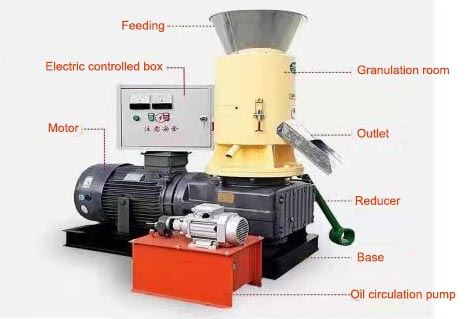
Lubrication also helps to prevent rust and corrosion. Wood chippers are often exposed to moisture, either from the wood they're chipping or from the environment. A good lubricant forms a protective barrier on the metal surfaces, keeping moisture at bay and preventing rust from forming.
Types of Lubricants
There are several types of lubricants available for wood chipper machines, and choosing the right one is key.
Oil-based Lubricants
These are the most common type of lubricants. They're great for reducing friction and providing long-lasting protection. Mineral oils are a popular choice because they're affordable and readily available. Synthetic oils, on the other hand, offer better performance in extreme temperatures and have a longer lifespan. They're more expensive but can be worth the investment for heavy-duty wood chippers.
Grease
Grease is a thick, semi-solid lubricant that's ideal for parts that require long-term lubrication and protection. It stays in place better than oil, which makes it perfect for bearings and gears. When choosing grease, look for one with a high dropping point (the temperature at which it turns into a liquid) to ensure it doesn't melt under the heat generated by the machine.
Dry Lubricants
Dry lubricants, such as graphite or molybdenum disulfide, are useful in situations where you don't want a wet lubricant. They're often used on chains and other parts that are exposed to dirt and debris. Dry lubricants reduce friction without attracting dust, which can be a major advantage in a wood chipper environment.
Lubrication Points
Now that you know what types of lubricants are available, let's talk about where to apply them on your wood chipper machine.
Blades
The blades are the heart of your wood chipper, and they need to be well-lubricated to cut through wood efficiently. Before each use, apply a light coat of oil to the blades. This will not only reduce friction but also prevent the wood from sticking to the blades. You can use a spray lubricant for easy application.
Bearings
Bearings are responsible for allowing the moving parts of the wood chipper to rotate smoothly. They should be lubricated regularly with grease. Most wood chippers have grease fittings that make it easy to apply the grease. Use a grease gun to pump the grease into the fittings until you see a small amount of old grease挤出 from the bearing.
Gears
Gears transfer power from the engine to the blades, and they need to be lubricated to prevent wear and tear. Check your wood chipper's manual to see what type of lubricant is recommended for the gears. In most cases, a high-viscosity oil or grease will do the trick. Apply the lubricant to the gears according to the manufacturer's instructions.
Chains
If your wood chipper has chains, they should be lubricated with a dry lubricant. Chains are exposed to a lot of dirt and debris, and a wet lubricant can attract more of it. A dry lubricant will reduce friction and prevent the chain from rusting without attracting dust.
Lubrication Schedule
How often you lubricate your wood chipper depends on how often you use it. As a general rule, you should lubricate the blades before each use, the bearings and gears every 20 - 30 hours of operation, and the chains every 10 - 15 hours of operation. However, it's always a good idea to refer to your wood chipper's manual for the specific lubrication schedule recommended by the manufacturer.
Lubrication Process
Here's a step-by-step guide on how to lubricate your wood chipper machine:
- Prepare the Machine: Make sure the wood chipper is turned off and unplugged (if it's an electric model) or the engine is cool (if it's a gas model). This will prevent any accidents during the lubrication process.
- Clean the Parts: Before applying lubricant, clean the parts that need to be lubricated. Use a clean cloth to remove any dirt, debris, or old lubricant. This will ensure that the new lubricant can adhere properly to the surfaces.
- Apply the Lubricant: Use the appropriate lubricant for each part. For example, use oil for the blades, grease for the bearings and gears, and dry lubricant for the chains. Apply the lubricant evenly and according to the manufacturer's instructions.
- Wipe off Excess Lubricant: After applying the lubricant, wipe off any excess with a clean cloth. This will prevent the lubricant from attracting dirt and debris.
- Test the Machine: Once you've lubricated all the necessary parts, turn on the wood chipper and let it run for a few minutes to distribute the lubricant evenly. Check for any unusual noises or vibrations, which could indicate a problem.
Troubleshooting
Sometimes, even with proper lubrication, you may encounter problems with your wood chipper. Here are some common issues and how to fix them:
Squeaking or Grinding Noises
If you hear squeaking or grinding noises coming from your wood chipper, it could be a sign that the parts are not properly lubricated. Stop the machine immediately and check the lubrication levels. Apply more lubricant if necessary.
Reduced Performance
If your wood chipper is not cutting through wood as efficiently as it used to, it could be due to a lack of lubrication. Check the blades, bearings, and gears to make sure they're well-lubricated. You may also need to sharpen the blades if they're dull.
Overheating
Overheating can be caused by a variety of factors, including lack of lubrication. If your wood chipper is overheating, stop the machine and let it cool down. Check the lubrication levels and make sure all the moving parts are properly lubricated.
Conclusion
Lubricating your wood chipper machine is an essential part of its maintenance. By choosing the right lubricants, lubricating the correct parts, and following a regular lubrication schedule, you can keep your wood chipper running smoothly and extend its lifespan.
If you're in the market for a new Wood Chipper Machine or Biomass Pellet Equipment, I'm here to help. As a supplier, I can offer you high-quality products at competitive prices. Whether you're a professional woodworker or a homeowner looking to maintain your garden, I have the right machine for you. Don't hesitate to reach out for more information or to discuss your specific needs. Let's get your wood chipping projects off to a great start!
References
- Manufacturer's manuals of various wood chipper machines
- Woodworking and gardening magazines
- Online forums and communities for woodworkers and gardening enthusiasts