

As a supplier of Sand Cloth, I've received numerous inquiries about how to prevent this versatile material from fading. Fading not only affects the aesthetic appeal of the Sand Cloth but can also potentially reduce its performance in various applications. In this blog, I'll share some scientifically - based tips and best practices to keep your Sand Cloth looking vibrant and performing at its best.
Understanding the Causes of Fading
Before we delve into the prevention methods, it's crucial to understand why Sand Cloth fades in the first place. There are several factors at play, including exposure to sunlight, chemicals, and improper storage conditions.
Sunlight is one of the primary culprits. Ultraviolet (UV) rays from the sun can break down the dyes and pigments in the Sand Cloth over time. This process, known as photodegradation, weakens the color molecules, causing them to lose their intensity and fade.
Chemicals can also have a detrimental effect on the color of Sand Cloth. Harsh detergents, bleaches, and other cleaning agents may react with the dyes, leading to color loss. Additionally, exposure to industrial chemicals or pollutants in the environment can accelerate fading.
Improper storage is another often - overlooked cause of fading. Storing Sand Cloth in a damp, humid, or hot environment can promote the growth of mold and mildew, which can stain and fade the fabric. Also, leaving the cloth folded for extended periods can cause creases where the color may fade unevenly.
Tips for Preventing Fading
1. Limit Sunlight Exposure
The most effective way to prevent sunlight - induced fading is to limit the Sand Cloth's exposure to direct sunlight. If the Sand Cloth is used outdoors, try to place it in a shaded area. For example, if it's used as a covering for equipment, use a canopy or awning to protect it from the sun's rays.
If the Sand Cloth needs to be exposed to some sunlight, consider using products that offer UV protection. There are specialized UV - resistant sprays available on the market that can be applied to the Sand Cloth. These sprays form a protective layer on the surface of the cloth, which helps to block UV rays and prevent fading.

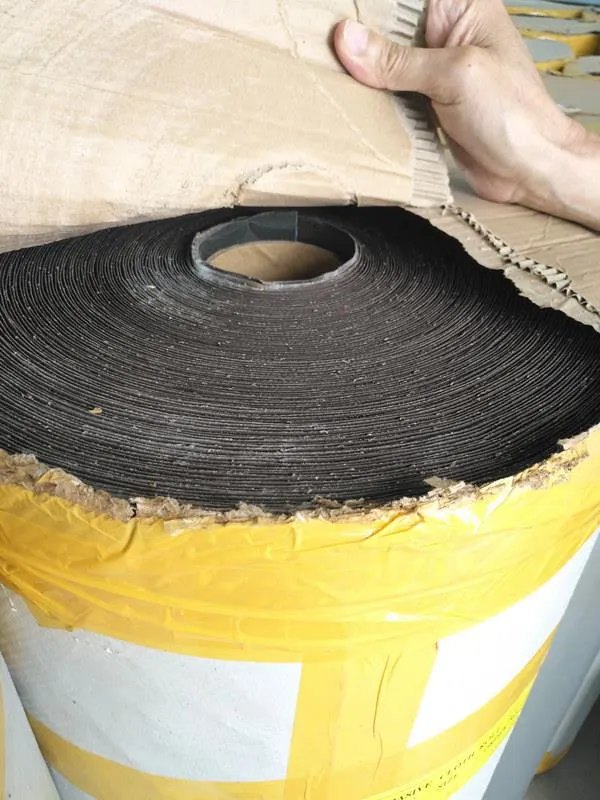
2. Be Cautious with Chemicals
When it comes to cleaning the Sand Cloth, use mild cleaning agents. Avoid using harsh chemicals such as bleach or chlorine - based detergents, as they can quickly fade the color. Instead, opt for a gentle, pH - balanced laundry detergent.
Before cleaning the entire piece of Sand Cloth, it's advisable to test the cleaning agent on a small, inconspicuous area first. This will help you determine if the detergent causes any color loss or damage to the fabric.
When using the Sand Cloth in industrial settings, be aware of the chemicals it may come into contact with. If possible, protect the cloth with a barrier or cover when working around chemicals.
3. Proper Storage
Proper storage is key to preventing fading. Store the Sand Cloth in a cool, dry place away from direct sunlight. A closet or a storage room with controlled temperature and humidity is ideal.
If you need to fold the Sand Cloth for storage, try to change the folding pattern periodically. This will prevent the color from fading unevenly along the creases. You can also roll the Sand Cloth instead of folding it, which reduces the pressure on specific areas of the fabric.
4. Select High - Quality Sand Cloth
The quality of the Sand Cloth also plays a significant role in its resistance to fading. As a supplier, I can attest that high - quality Sand Cloths are often treated with more advanced dyeing and finishing processes, which make them more color - fast.
When choosing a Sand Cloth, look for products that are specifically labeled as fade - resistant. Our Emery Cloth for Coated & Bonded Abrasive at our store is known for its excellent color - retention properties. It's made with premium materials and undergoes strict quality control to ensure long - lasting color.
Additional Considerations
1. Regular Inspections
Regularly inspect the Sand Cloth for signs of fading or damage. Catching fading early can allow you to take corrective action before it becomes too severe. Check the edges and corners of the cloth, as these areas are often more exposed and prone to fading.
2. Use of Protective Accessories
Some accessories can help protect the Sand Cloth. For example, if you're using the Sand Cloth in a situation where it may be subject to abrasion, you can reinforce the edges with a Metal Ring. This not only adds durability but can also protect the color from being rubbed off.
3. Compatibility with Other Materials
If you're using the Sand Cloth in combination with other materials, make sure they are compatible. Some materials may release chemicals or dyes that can transfer to the Sand Cloth and cause fading. For instance, when using an Abrasive Cloth Roll alongside the Sand Cloth, ensure that they are both made from materials that won't interact negatively.
Contact for Purchase and Consultation
If you're interested in purchasing high - quality, fade - resistant Sand Cloth or need more advice on preventing fading, don't hesitate to reach out. We're always here to help you make the right choice for your needs and ensure that you get the most out of your Sand Cloth.
References
- "Textile Coloration and Finishing" by S. M. Burkinshaw.
- "Sunlight and Its Effects on Textiles" research paper by the Textile Research Institute.
- "Chemicals and Textiles: A Guide to Compatibility" by the International Textile Chemistry Association.