

Hey there! As a sand cloth supplier, I've seen firsthand how frustrating it can be when your sand cloth starts to fray. Fraying not only reduces the effectiveness of the sand cloth but also shortens its lifespan, which means more frequent replacements and higher costs. In this blog post, I'm going to share some tips on how to prevent sand cloth from fraying, so you can get the most out of your investment.
Understanding the Causes of Fraying
Before we dive into the prevention methods, it's important to understand what causes sand cloth to fray in the first place. There are several factors that can contribute to fraying, including:
- Friction: When sand cloth is used to sand a surface, it experiences a lot of friction. Over time, this friction can cause the fibers in the cloth to break down and fray.
- Tension: If the sand cloth is stretched too tightly or if it's under too much tension during use, it can also lead to fraying.
- Quality: The quality of the sand cloth itself can also play a role in how prone it is to fraying. Lower-quality sand cloth may have weaker fibers that are more likely to break down.
- Improper Storage: Storing sand cloth in a damp or humid environment can cause the fibers to weaken and fray.
Prevention Methods
Now that we know what causes fraying, let's take a look at some ways to prevent it.
Choose High-Quality Sand Cloth
The first step in preventing fraying is to choose high-quality sand cloth. Look for sand cloth that is made from strong, durable fibers and has a tight weave. Higher-quality sand cloth is less likely to fray and will last longer, saving you money in the long run. For example, you can check out our Emery Cloth for Coated & Bonded Abrasive, which is made with top-notch materials to resist fraying.
Use the Right Tools
Using the right tools for the job can also help prevent fraying. Make sure you're using a sanding block or other tool that is the right size and shape for the sand cloth. This will help distribute the pressure evenly and reduce the amount of friction on the cloth. Additionally, using sharp sanding discs or belts can also reduce friction and prevent fraying.
Avoid Overstretching
When using sand cloth, it's important to avoid overstretching it. Overstretching can cause the fibers to break down and fray. Make sure the sand cloth is properly secured to the sanding block or tool and that it's not too tight. If the sand cloth is too loose, it can also cause fraying, so find the right balance.
Keep the Work Area Clean
A clean work area can also help prevent fraying. Dust and debris can get caught in the sand cloth and cause it to fray. Make sure to clean the work area regularly and use a vacuum or compressed air to remove any dust or debris from the sand cloth.
Store Sand Cloth Properly
Proper storage is crucial for preventing fraying. Store sand cloth in a dry, cool place away from direct sunlight. Avoid storing it in a damp or humid environment, as this can cause the fibers to weaken and fray. You can also store sand cloth in a sealed container or plastic bag to protect it from dust and debris.
Trim the Edges
If you notice that the edges of the sand cloth are starting to fray, you can trim them with a pair of sharp scissors. This will prevent the fraying from spreading and extend the life of the sand cloth.
Use Edge Sealing Products
There are also edge sealing products available that can help prevent fraying. These products are applied to the edges of the sand cloth and create a protective barrier that prevents the fibers from breaking down. You can find edge sealing products at most hardware stores.

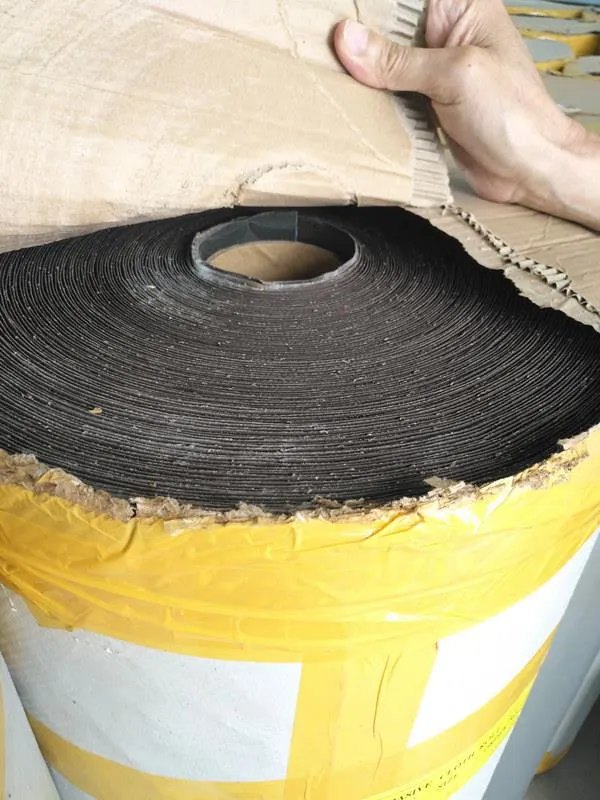
Additional Tips
- Rotate the Sand Cloth: When sanding, rotate the sand cloth regularly to distribute the wear evenly. This will prevent one area of the cloth from wearing out faster than the others and reduce the risk of fraying.
- Follow the Manufacturer's Instructions: Always follow the manufacturer's instructions for using and caring for the sand cloth. This will ensure that you're using the sand cloth correctly and getting the most out of it.
Conclusion
Preventing sand cloth from fraying is all about taking the right steps to protect it. By choosing high-quality sand cloth, using the right tools, avoiding overstretching, keeping the work area clean, storing the sand cloth properly, trimming the edges, and using edge sealing products, you can extend the life of your sand cloth and save money in the long run.
If you're interested in purchasing high-quality sand cloth or have any questions about preventing fraying, feel free to reach out to us. We're here to help you find the best sand cloth for your needs and provide you with all the information you need to keep it in top condition.
References
- "Abrasive Technology Handbook"
- Industry standards and best practices for sand cloth usage and care
Remember, taking care of your sand cloth is an investment in the quality and efficiency of your work. So, take these tips to heart and enjoy longer-lasting, more effective sanding!