

Selecting the right abrasive cloth roll for a thin material can be a tricky task. As a supplier of abrasive cloth rolls, I've seen my fair share of customers struggling with this decision. It's crucial to get it right because using the wrong abrasive can damage the thin material, result in poor finishing, and even lead to inefficiencies in your operation. So, let's dive into how you can make the best choice.
Understanding Thin Materials
Before we start talking about abrasive cloth rolls, it's important to understand what thin materials are. Thin materials can range from delicate metals like aluminum foils and copper sheets to thin plastics, fiberglass, and even some types of papers. These materials are often prone to scratches, warping, or over - grinding due to their thinness and sometimes fragile nature.
Factors to Consider When Selecting an Abrasive Cloth Roll
Grit Size
The grit size of an abrasive cloth roll is one of the most important factors. Grit size refers to the size of the abrasive particles on the cloth. A smaller grit number means larger abrasive particles, and these are better for heavy material removal. For thin materials, you generally want a finer grit. Coarse grits (e.g., 36 - 60) can be too aggressive and may damage the thin material. Finer grits, like 120 - 220 or even higher (e.g., 320 - 600), are more suitable as they provide a smoother finish and are less likely to cause excessive wear.
Abrasive Material
There are different types of abrasive materials available in abrasive cloth rolls, such as aluminum oxide, silicon carbide, and ceramic alumina.
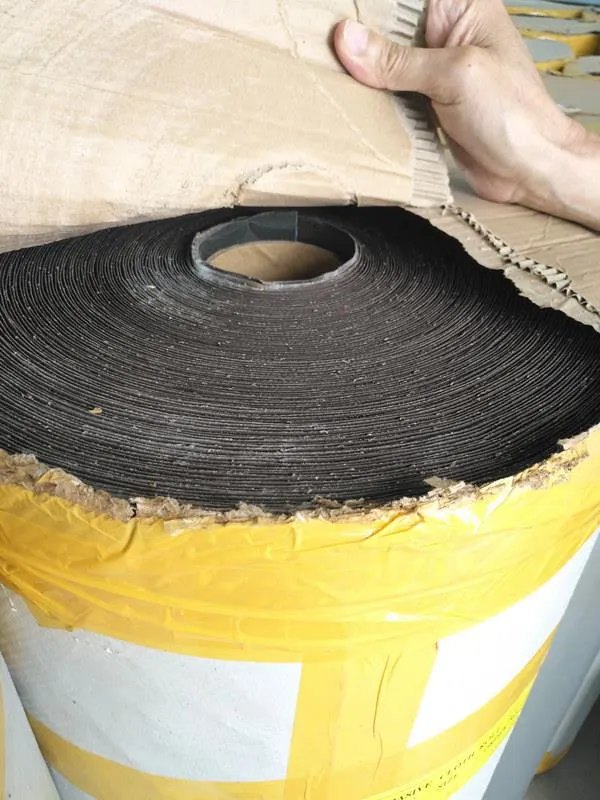

- Aluminum Oxide: It's a common and versatile abrasive. It's suitable for a wide range of materials, including metals and woods. For thin metal materials, aluminum oxide can be a good choice as it wears down gradually, maintaining a consistent cutting performance.
- Silicon Carbide: This abrasive is sharper and harder than aluminum oxide. It's excellent for non - ferrous metals (like aluminum and brass) and non - metallic materials like plastics and fiberglass. Fiberglass Net is often associated with these types of materials, and silicon carbide can provide a good finish on them.
- Ceramic Alumina: It's a high - performance abrasive that can retain its sharpness for a long time. It's great for applications where high - speed cutting and long life are required. However, it can be a bit more expensive, so you need to weigh the cost - benefit for your thin material application.
Backing Material
The backing material of the abrasive cloth roll also matters. Common backing materials include paper, cloth, and film.
- Paper Backing: It's lightweight and flexible. It's suitable for finesse work on thin materials, especially when you need a very smooth finish. However, it may not be as durable as other backing materials and is prone to tearing if not handled carefully.
- Cloth Backing: Cloth - backed abrasive cloth rolls are more durable and can withstand more pressure. They're a good choice for applications where you need to apply some force during grinding or sanding, but still want to avoid damaging the thin material.
- Film Backing: Film - backed abrasives are very smooth and provide a consistent finish. They're often used for polishing and fine - finishing operations on thin materials.
Bonding
The bonding agent that holds the abrasive particles to the backing is another consideration. There are different types of bonds, such as resin bonds, glue bonds, and vulcanized bonds. Resin - bonded abrasives are popular because they offer a good combination of durability and cutting performance. They can withstand high temperatures generated during grinding, which is important when working on thin materials that may be sensitive to heat.
Application - Specific Considerations
Surface Finish Requirements
If you're looking for a smooth, mirror - like finish on your thin material, you'll need to use a very fine - grit abrasive cloth roll and may need to perform multiple passes. For a more matte finish, a slightly coarser grit can be used.
Material Thickness Variation
Even within the category of thin materials, there can be significant thickness variations. Thinner materials may require even more delicate handling and finer abrasives. For example, a very thin plastic sheet may need a 400 - grit abrasive, while a slightly thicker aluminum sheet could use a 180 - grit.
Production Volume
If you're producing a large volume of items with thin materials, you'll want to choose an abrasive cloth roll that offers a long lifespan. Ceramic alumina abrasive cloth rolls, although more expensive, can be a good investment in high - volume production as they can maintain their cutting performance for a longer time, reducing the need for frequent roll changes.
Compatibility with Equipment
Make sure the abrasive cloth roll is compatible with your sanding or grinding equipment. The size and type of the roll should match the specifications of your machine. Using an incompatible roll can lead to uneven results, poor performance, and even damage to the equipment.
Real - World Examples
Let's say you're working with a thin copper sheet that you want to use for a decorative item. First, since copper is a soft metal, you'll likely want to choose an abrasive cloth roll with a fine grit, like 220 grit. Aluminum oxide would be a good abrasive material choice as it can provide a smooth finish without causing excessive scratching. A paper - backed abrasive cloth roll would be suitable for this application as it's flexible and can follow the contours of the copper sheet easily.
On the other hand, if you're working on a large - scale production of thin fiberglass panels, you might choose a silicon carbide abrasive cloth roll with a grit size of 120 - 180. The silicon carbide will be effective in cutting through the fiberglass, and the cloth backing will provide the durability needed for high - volume work. You could refer to the Fiberglass Net to understand more about the related material properties.
Cost - Benefit Analysis
When selecting an abrasive cloth roll, you need to consider the cost. Higher - quality abrasive cloth rolls with better abrasives, backing materials, and bonds may cost more upfront, but they can lead to better results, less scrap material, and longer tool life. For example, a ceramic alumina abrasive cloth roll may cost more than an aluminum oxide one, but if it can handle a high - volume production run without frequent replacement, it can save you money in the long run.
Conclusion
Selecting the right abrasive cloth roll for a thin material involves considering multiple factors such as grit size, abrasive material, backing material, bonding, application requirements, and cost - benefit. By taking the time to understand these factors and making an informed decision, you can ensure that you get the best results for your thin - material processing.
If you're in the market for high - quality abrasive cloth rolls for your thin - material applications, I'd love to help you find the perfect fit. Whether you're working on a small - scale project or a large - volume production, we have a wide range of options to meet your needs. Don't hesitate to reach out for procurement and let's discuss how we can make your thin - material processing more efficient and effective.
References
- "Abrasive Technology Handbook"
- Industry publications on abrasive materials and their applications.