

Hey there! As a supplier of Wood Chipper Machines, I often get asked about how to test the performance of these nifty pieces of equipment. Well, you're in luck because I'm gonna share some tips and tricks on just that.
First off, let's talk about why testing the performance of a wood chipper machine is so important. You see, a wood chipper is a powerful tool that's used to turn large pieces of wood into smaller chips. Whether you're a professional arborist, a landscaper, or just someone who likes to do some DIY projects around the yard, you want a wood chipper that can get the job done efficiently and safely. By testing the performance of your wood chipper, you can make sure it's working at its best and identify any potential issues before they become major problems.
1. Pre - test Preparations
Before you start testing the wood chipper, there are a few things you need to do. First, make sure you have the right safety gear. This includes safety glasses, ear protection, and gloves. You don't want any wood chips flying into your eyes or loud noises damaging your ears.
Next, check the machine for any obvious signs of damage or wear. Look at the blades, the belts, and the engine. If you notice any cracks, fraying, or other issues, it's best to get them fixed before you start testing. You can refer to the user manual that comes with the Wood Chipper Machine for detailed inspection guidelines.
Also, gather a variety of wood types and sizes for testing. Different woods have different densities and hardness levels, so using a mix will give you a more accurate picture of the machine's performance. You can collect branches, logs, and even some scrap wood from your local area.
2. Power and Engine Performance
The engine is the heart of the wood chipper, so it's crucial to test its performance. Start the engine and let it warm up for a few minutes. Listen to the sound of the engine. A healthy engine should run smoothly without any strange noises like knocking or rattling.
Check the engine's power output. You can do this by gradually feeding small pieces of wood into the chipper. Notice how the engine responds. If it struggles to handle even small pieces, there might be an issue with the engine's power. Some wood chippers come with a power meter that can give you a more precise reading of the engine's performance.
Another important aspect is the fuel efficiency. Run the wood chipper for a set period while chipping a known amount of wood. Then, calculate how much fuel it consumed. A good wood chipper should be able to chip a decent amount of wood without guzzling too much fuel.
3. Chipping Capacity and Speed
One of the key performance indicators of a wood chipper is its chipping capacity. This refers to the maximum size of wood that the chipper can handle. To test this, start with small - sized branches and gradually increase the diameter of the wood you're feeding into the chipper. Keep a record of the largest piece of wood that the chipper can successfully chip without jamming or stalling.
The chipping speed is also important. Time how long it takes to chip a certain volume of wood. For example, measure how many minutes it takes to chip a cubic foot of branches. A high - performance wood chipper should be able to chip wood quickly and efficiently. If the chipping speed is slow, it could be due to dull blades or an underpowered engine.
4. Chip Quality
The quality of the chips produced by the wood chipper is another important factor. Good chips should be uniform in size and shape. After chipping a batch of wood, take a look at the chips. If they are too large or have uneven shapes, it might indicate a problem with the blades or the cutting mechanism.
You can also test the chip size by passing the chips through a sieve. Different applications may require different chip sizes. For example, if you're using the chips for biomass fuel, you might need smaller, more uniform chips. Check out our Biomass Pellet Equipment which can make good use of high - quality wood chips.
5. Safety Features
Safety is always a top priority when using any kind of machinery, and wood chippers are no exception. Test all the safety features of the wood chipper. This includes the emergency stop button, the feed hopper safety guard, and the belt guards. Make sure the emergency stop button works immediately when pressed. The safety guards should be securely in place and not easily removable.
Also, check the anti - kickback device. This is designed to prevent wood from being ejected forcefully back out of the chipper. Feed a piece of wood at an angle to test if the anti - kickback device functions properly.
6. Durability and Vibration
To test the durability of the wood chipper, run it for an extended period. Continuous operation can put stress on the machine and help you identify any weak points. During this test, pay attention to the vibration level of the chipper. Excessive vibration can indicate an imbalance in the blades or other mechanical issues.
If the wood chipper vibrates too much, it can not only affect the performance but also cause premature wear and tear on the machine. You can use a vibration meter to measure the vibration level accurately.
7. Post - test Evaluation
After you've completed all the tests, take some time to evaluate the results. Make a list of the machine's strengths and weaknesses. If you notice any performance issues, you can try to troubleshoot them based on the information in the user manual.
If the problems persist, it might be a good idea to contact the manufacturer or a professional technician for further assistance.
Conclusion
Testing the performance of a wood chipper machine is an essential step to ensure its optimal operation. By following these steps, you can get a comprehensive understanding of how well your wood chipper works. Whether you're looking to purchase a new wood chipper or want to make sure your existing one is in top - notch condition, these tests will give you the confidence you need.
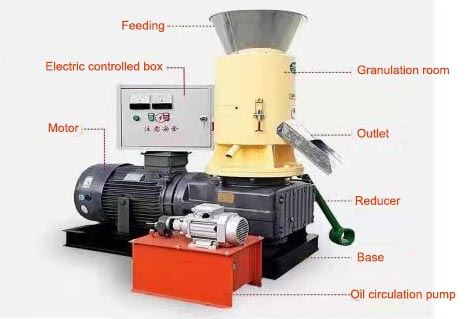

If you're in the market for a high - quality wood chipper, we've got you covered. Our Wood Chipper Machine is designed to meet the needs of both professionals and DIY enthusiasts. Don't hesitate to reach out if you're interested in learning more or making a purchase. We're here to help you find the perfect wood chipper for your requirements.
References
- Wood Chipper User Manuals
- Industry standards for wood chipper performance testing