

When it comes to achieving a consistent sanding pattern, an abrasive cloth roll is an indispensable tool in various industries, from woodworking to metal fabrication. As a supplier of high - quality abrasive cloth rolls, I've witnessed firsthand the transformative power of these products in delivering smooth, uniform finishes. In this blog post, I'll share some expert tips on how to use an abrasive cloth roll for a consistent sanding pattern.
Understanding Your Abrasive Cloth Roll
Before you start sanding, it's crucial to understand the different types of abrasive cloth rolls available. The abrasive material on the cloth can vary, with common options including aluminum oxide, silicon carbide, and zirconia alumina. Each type has its own unique properties and is suitable for different materials and applications.
- Aluminum Oxide: This is the most commonly used abrasive material. It's versatile, durable, and works well on a variety of materials, including wood, metal, and plastic. Aluminum oxide abrasive cloth rolls are ideal for general - purpose sanding and are a great choice for beginners.
- Silicon Carbide: Silicon carbide is a harder and sharper abrasive than aluminum oxide. It's particularly effective for sanding hard materials such as glass, ceramics, and stone. It also works well on non - ferrous metals like aluminum and brass.
- Zirconia Alumina: Zirconia alumina abrasives are known for their toughness and long - lasting performance. They're often used for heavy - duty sanding applications, such as removing large amounts of material from metal surfaces.
In addition to the abrasive material, the grit size of the cloth also plays a crucial role in achieving a consistent sanding pattern. Grit size refers to the number of abrasive particles per square inch of the cloth. A lower grit number (e.g., 40 - 60) indicates a coarser abrasive, which is suitable for removing large amounts of material quickly. A higher grit number (e.g., 220 - 400) indicates a finer abrasive, which is used for finishing and polishing.
Preparing the Workpiece
Proper preparation of the workpiece is essential for a consistent sanding pattern. Start by cleaning the surface of the workpiece to remove any dirt, grease, or debris. This will ensure that the abrasive cloth makes good contact with the surface and prevents uneven sanding.
If you're sanding a large surface, it's a good idea to mark it into smaller sections. This will help you keep track of which areas you've sanded and ensure that you cover the entire surface evenly. You can use masking tape or a marker to mark the sections.
Choosing the Right Sanding Technique
The sanding technique you use can have a significant impact on the consistency of the sanding pattern. Here are some tips on choosing the right technique:
- Linear Sanding: Linear sanding involves moving the abrasive cloth in a straight line across the surface of the workpiece. This technique is ideal for sanding flat surfaces and is commonly used in woodworking. To achieve a consistent pattern, make sure to apply even pressure and keep the strokes parallel to each other.
- Circular Sanding: Circular sanding involves moving the abrasive cloth in a circular motion. This technique is useful for sanding curved surfaces and for blending sanded areas. When using circular sanding, make sure to keep the circles evenly spaced and apply consistent pressure.
- Random Orbital Sanding: Random orbital sanding combines linear and circular sanding motions. This technique is great for achieving a smooth, swirl - free finish and is commonly used in automotive and furniture refinishing. Random orbital sanders are available in both electric and pneumatic models.
Using the Abrasive Cloth Roll Correctly
Once you've chosen the right sanding technique, it's time to start using the abrasive cloth roll. Here are some tips on using it correctly:
- Cutting the Cloth: Cut the abrasive cloth roll to the appropriate size for your sanding block or sander. Make sure to use sharp scissors or a utility knife to ensure a clean cut.
- Attaching the Cloth: If you're using a sanding block, attach the abrasive cloth to the block using adhesive or Velcro. Make sure the cloth is firmly attached and smooth to prevent wrinkles or bubbles, which can cause uneven sanding.
- Applying Pressure: Apply even pressure when sanding. Too much pressure can cause the abrasive to wear out quickly and may result in uneven sanding. Too little pressure may not remove enough material. Use your body weight to apply pressure evenly across the surface.
- Changing the Grit: As you sand, the abrasive cloth will gradually wear out. When this happens, it's time to change to a finer grit to continue the sanding process. Start with a coarse grit to remove large amounts of material and then gradually move to finer grits for a smoother finish.
Maintaining the Abrasive Cloth Roll
Proper maintenance of the abrasive cloth roll is essential for achieving a consistent sanding pattern over time. Here are some tips on maintaining the cloth:
- Cleaning the Cloth: After each use, clean the abrasive cloth to remove any debris or dust. You can use a brush or compressed air to clean the cloth. This will help to keep the abrasive particles exposed and ensure that the cloth continues to sand effectively.
- Storing the Cloth: Store the abrasive cloth roll in a cool, dry place. Avoid exposing it to moisture, heat, or direct sunlight, as these can damage the abrasive material and reduce its effectiveness.
Related Products for Abrasive Cloth Roll Usage
In addition to the abrasive cloth roll itself, there are several related products that can enhance your sanding experience and help you achieve a more consistent sanding pattern.

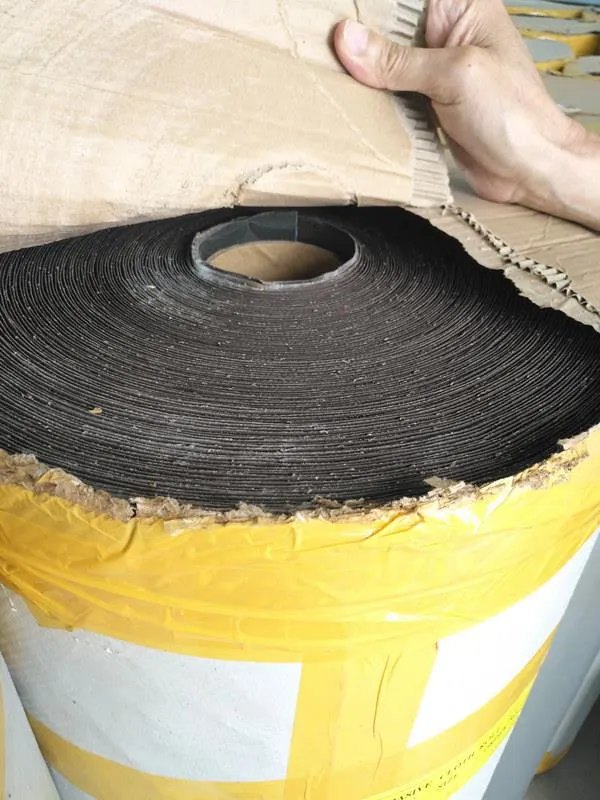
One such product is the Metal Ring. Metal rings are often used in the manufacturing of flap discs, which are a type of abrasive tool that combines the flexibility of a flap disc with the durability of a metal core. They can provide additional support and stability during sanding, especially when working on curved or irregular surfaces.
Another important product is the Emery Cloth for Coated & Bonded Abrasive. Emery cloth is a type of abrasive cloth that is made from natural emery, a mineral composed of corundum and magnetite. It has a unique abrasive structure that can be very effective for certain sanding applications, particularly on metals.
The Fiberglass Net is also a valuable addition. Fiberglass nets are often used as a backing material for abrasive products. They can improve the strength and flexibility of the abrasive cloth, making it more resistant to tearing and providing a more consistent sanding surface.
Conclusion
Using an abrasive cloth roll for a consistent sanding pattern requires a combination of the right product knowledge, proper preparation, and correct usage techniques. By understanding the different types of abrasive materials and grit sizes, preparing the workpiece properly, choosing the right sanding technique, using the cloth correctly, and maintaining it well, you can achieve smooth, uniform finishes on a variety of materials.
If you're interested in purchasing high - quality abrasive cloth rolls or any of the related products mentioned above, I encourage you to reach out to us for a detailed discussion. We're committed to providing our customers with the best products and services to meet their sanding needs.
References
- "Handbook of Abrasive Technology" by R. L. King
- "Sanding and Finishing Techniques" by Woodsmith Magazine
- "Advanced Abrasive Manufacturing" by John Wiley & Sons