

Hey there! As a supplier of Wood Chipper Machines, I often get asked, "What is the capacity of a wood chipper machine?" Well, let's dive right into it and shed some light on this crucial aspect.
First off, when we talk about the capacity of a wood chipper machine, we're mainly referring to two things: the size of the logs it can handle and the volume of wood it can process within a given time frame.
Let's start with the size of the logs. Different wood chippers have different maximum log diameters they can take. For smaller, residential - grade wood chippers, you're looking at something in the range of 2 - 4 inches. These are great for trimming small branches in your backyard, like what you'd get from pruning your fruit trees or small shrubs. They're usually compact and easy to move around, perfect for homeowners who don't have a ton of wood waste to deal with on a regular basis.
On the other hand, commercial - grade wood chippers are beasts. They can handle logs with diameters of 6 inches or more. Some heavy - duty models can even take in logs that are 12 inches across! This makes them ideal for forestry workers, tree service companies, and large landscaping firms. When you're dealing with large trees that have been cut down, you need a wood chipper that can handle the big stuff, and these commercial models are up to the task.
Now, let's move on to the volume of wood a chipper can process. This is typically measured in cubic feet per hour (CFH). For those smaller residential chippers, their capacity might be anywhere from 10 - 30 CFH. They're not going to churn through a forest overnight, but they'll steadily deal with the few branches and twigs you collect during your weekend gardening sessions.
Commercial chippers, however, can have capacities that range from 100 CFH all the way up to 1000 CFH or more. Think about a tree service that has to clear a whole bunch of trees after a storm. They need a chipper that can quickly turn all that fallen timber into mulch or wood chips. A high - capacity commercial wood chipper can make short work of large piles of wood, saving time and labor costs.
So, how do you choose the right capacity for your needs? Well, it all boils down to what you're using the wood chipper for. If you're a homeowner, a small - capacity chipper will do the trick. It's cost - effective, easy to operate, and won't take up too much space in your garage. You can find a great selection of these models on our Wood Chipper Machine page.
But if you're in the business of wood processing, you'll want to invest in a high - capacity commercial chipper. These machines are built to last, with powerful engines and heavy - duty components. They might cost a bit more upfront, but they'll pay for themselves in the long run by increasing your productivity. And once you have your wood chips or mulch, you might also be interested in our Biomass Pellet Equipment. This equipment can convert those wood chips into valuable biomass pellets, which can be used for heating or as fuel.
It's also important to consider the type of wood you'll be chipping. Hardwoods like oak and maple are denser and tougher to chip than softwoods like pine and cedar. So, if you're mostly dealing with hardwoods, you might need a wood chipper with a higher capacity or a more powerful motor to handle the extra resistance.

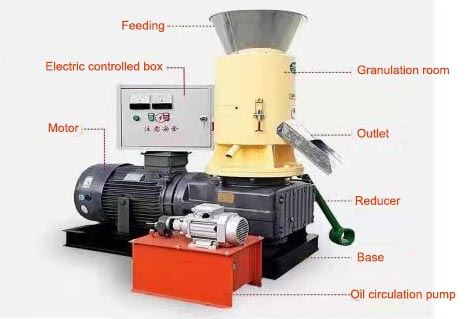
Another factor that can affect the capacity of a wood chipper is the feeding mechanism. Some chippers have a gravity - fed design, where you simply drop the logs into a hopper and gravity does the work of moving the wood into the cutting blades. These are usually simpler and less expensive, but they might not be as efficient as chippers with a powered in - feed system.
Powered in - feed systems use rollers or conveyor belts to pull the wood into the chipper at a consistent speed. This not only makes the chipping process faster but also helps to prevent jams, especially when dealing with larger or irregularly shaped logs.
Maintenance also plays a role in the long - term capacity of your wood chipper. Regularly sharpening the cutting blades, checking the engine oil, and cleaning out the debris from the machine can keep it running at its optimal capacity. A well - maintained chipper will work more efficiently and last longer, saving you money on repairs and replacements down the road.
If you're still not sure which capacity wood chipper is right for you, don't worry. Our team of experts is here to help. We've been in the business for years and have helped countless customers find the perfect wood chipper for their needs. Whether you're a DIY enthusiast or a professional in the industry, we can provide you with all the information you need to make an informed decision.
So, if you're thinking about purchasing a wood chipper, or if you have any questions about their capacity or operation, don't hesitate to reach out. We're always happy to talk about wood chippers and help you find the best solution for your wood processing needs. Let's get your wood chipping project off to a great start!
References
- Industry standards and guidelines for wood chipper machines
- Manufacturer specifications and product manuals for various wood chippers