

What is the Hopper Size of a Wood Chipper Machine?
As a supplier of Wood Chipper Machine, I often get asked about the hopper size of wood chipper machines. Understanding the hopper size is crucial as it directly impacts the efficiency and usability of the wood chipper. In this blog, I'll delve into the significance of hopper size, how it varies across different types of wood chippers, and what factors you should consider when choosing the right hopper size for your needs.
The Importance of Hopper Size
The hopper of a wood chipper is the opening where you feed the wood into the machine. Its size determines how much wood you can load at once and the maximum diameter of the logs or branches that can be accommodated. A larger hopper allows for more efficient operation as you can feed larger pieces of wood and reduce the frequency of loading. This is especially beneficial when dealing with a large volume of wood, such as in commercial or industrial settings.
On the other hand, a smaller hopper may be more suitable for residential use or for chipping smaller branches and twigs. It can also make the wood chipper more compact and easier to maneuver. However, it may require more frequent loading, which can slow down the chipping process.
Types of Wood Chippers and Their Hopper Sizes
There are several types of wood chippers available on the market, each with its own typical hopper size range.
Residential Wood Chippers
Residential wood chippers are designed for home use, such as clearing yard waste or pruning trees. They are usually smaller and more lightweight compared to commercial models. The hopper size of residential wood chippers typically ranges from 3 to 6 inches in diameter. This allows them to handle small to medium-sized branches with ease. For example, a common residential wood chipper might have a hopper size of 4 inches, which can accommodate branches up to 4 inches in diameter.
Commercial Wood Chippers
Commercial wood chippers are built to handle larger volumes of wood and are often used by landscaping companies, tree service providers, and municipalities. These machines are more powerful and have larger hoppers to accommodate bigger logs and branches. The hopper size of commercial wood chippers can range from 6 to 12 inches or even larger in some heavy-duty models. A commercial wood chipper with a 10-inch hopper can handle large branches and small logs, making it suitable for professional use.
Industrial Wood Chippers
Industrial wood chippers are the most powerful and robust type of wood chippers. They are used in large-scale wood processing operations, such as sawmills and biomass power plants. Industrial wood chippers can have hoppers that are 12 inches or more in diameter, allowing them to handle very large logs and thick branches. Some industrial wood chippers are designed to process entire trees at once, with hoppers large enough to accommodate the tree trunk.
Factors to Consider When Choosing Hopper Size
When selecting a wood chipper, the hopper size is just one of the many factors you need to consider. Here are some other important factors that can influence your decision:
Volume of Wood to be Chipped
If you have a large amount of wood to chip on a regular basis, a wood chipper with a larger hopper will be more efficient. This will reduce the time spent on loading and increase the overall productivity of the chipping process. On the other hand, if you only need to chip a small amount of wood occasionally, a smaller hopper may be sufficient.
Size of the Wood
The size of the branches and logs you need to chip will also determine the appropriate hopper size. If you mainly deal with small branches and twigs, a residential wood chipper with a smaller hopper will be adequate. However, if you have larger logs or thick branches, you'll need a wood chipper with a larger hopper.
Available Space
The available space in your yard or workspace is another important consideration. A wood chipper with a large hopper may be more bulky and require more space for operation. If you have limited space, a smaller hopper wood chipper may be a better choice.
Budget
Generally, wood chippers with larger hoppers tend to be more expensive than those with smaller hoppers. You need to balance your budget with your requirements. If you can afford it, investing in a wood chipper with a larger hopper may be a wise decision in the long run, especially if you have a high volume of wood to chip.
How Hopper Size Affects Other Aspects of Wood Chipping
The hopper size of a wood chipper can also have an impact on other aspects of the chipping process, such as the power requirements and the type of chips produced.

Power Requirements
A larger hopper allows you to feed larger pieces of wood into the machine. This means that the wood chipper needs to have enough power to handle the increased workload. Wood chippers with larger hoppers usually require more powerful engines or motors to ensure efficient chipping. Therefore, when choosing a wood chipper with a large hopper, you need to make sure that it has the appropriate power rating.
Type of Chips Produced
The size of the hopper can also affect the type of chips produced. A larger hopper may allow for the chipping of larger pieces of wood, which can result in larger chips. Depending on your intended use for the chips, such as for mulching or biomass fuel, you may need to choose a wood chipper with a hopper size that produces the desired chip size.
Related Equipment: Biomass Pellet Equipment
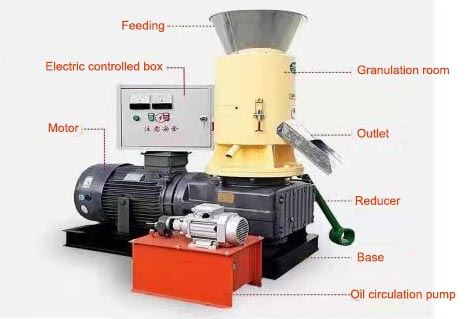
In addition to wood chippers, Biomass Pellet Equipment is another important part of the wood processing industry. Biomass pellet equipment is used to convert wood chips and other biomass materials into pellets, which can be used as a renewable energy source. The size and quality of the wood chips produced by the wood chipper can affect the performance of the biomass pellet equipment. Therefore, choosing the right wood chipper with an appropriate hopper size is crucial for the overall efficiency of the biomass pellet production process.
Conclusion
In conclusion, the hopper size of a wood chipper machine is an important factor to consider when choosing a wood chipper. It affects the efficiency, usability, and power requirements of the machine. By understanding the different types of wood chippers and their typical hopper size ranges, as well as considering factors such as the volume and size of the wood to be chipped, available space, and budget, you can make an informed decision and choose the right wood chipper for your needs.
If you're in the market for a wood chipper or have any questions about hopper sizes or other aspects of wood chippers, feel free to contact us. We're a leading supplier of wood chipper machines and can provide you with professional advice and high-quality products. Let's discuss your requirements and find the perfect wood chipper solution for you.
References
- Wood Chipper Manuals from Various Manufacturers
- Industry Reports on Wood Processing Equipment