

Hey there! As a supplier of Abrasive Cloth Rolls, I've seen firsthand how temperature can have a real impact on these products. Let's dig into what happens when the mercury rises or drops and how it affects our Abrasive Cloth Rolls.
How Temperature Affects the Physical Properties
First off, let's talk about the physical changes that temperature can bring to Abrasive Cloth Rolls. When it's really hot, the adhesive that holds the abrasive grains to the cloth backing can start to soften. You know, that sticky stuff that keeps everything together? Well, in high - heat situations, it loses its grip. This means the abrasive grains might start to come loose more easily during use. And that's a big problem because if the grains fall off too soon, the Abrasive Cloth Roll won't last as long and won't do as good a job of sanding or grinding.
On the flip side, in cold temperatures, the adhesive can become brittle. It's like when you leave a piece of rubber outside in the winter and it gets all stiff. The same thing happens to the adhesive on our Abrasive Cloth Rolls. When it's brittle, it's more likely to crack. And once those cracks form, the bond between the abrasive grains and the cloth backing weakens. This can lead to chunks of the abrasive coming off in one go, which is definitely not what you want when you're trying to get a smooth finish on your workpiece.
The cloth backing itself is also affected by temperature. In hot weather, the cloth can expand. It's like how a balloon gets bigger when you heat it up. This expansion can cause the Abrasive Cloth Roll to warp or become uneven. And an uneven roll means uneven sanding, which can leave your workpiece looking patchy. In cold temperatures, the cloth contracts. It shrinks back, and this can put extra stress on the adhesive and the abrasive grains. It might even cause the cloth to tear in some cases.
Impact on Performance
Now, let's look at how these physical changes translate into performance. When the Abrasive Cloth Roll is in a high - temperature environment, the softening of the adhesive and the expansion of the cloth can lead to a decrease in cutting efficiency. The abrasive grains don't stay in place as well, so they can't cut through the material as effectively. You might find that you have to apply more pressure to get the same amount of material removed. And that's not only tiring for you, but it can also damage your workpiece if you press too hard.

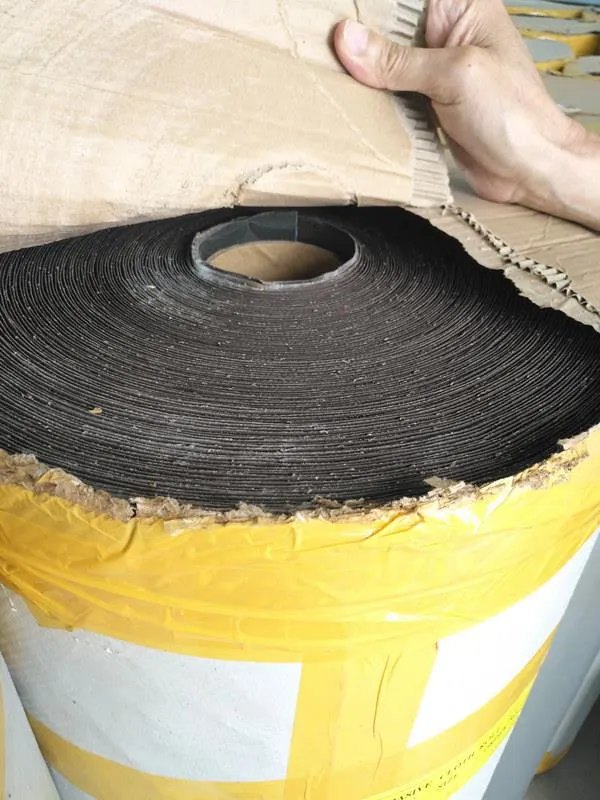
In cold temperatures, the brittleness of the adhesive and the contraction of the cloth can make the Abrasive Cloth Roll more prone to clogging. The abrasive grains don't break down and release new cutting edges as smoothly as they should. Instead, the material being sanded can build up between the grains, clogging the roll. A clogged Abrasive Cloth Roll is pretty much useless. It won't cut at all, and you'll have to stop and clean it or replace it, which is a real pain in the neck.
Storage Considerations
As a supplier, I always tell my customers to pay close attention to how they store their Abrasive Cloth Rolls. You can't just leave them out in the sun or in a freezing cold shed. For optimal storage, the temperature should be kept between 18°C and 25°C (64°F - 77°F). This range helps to keep the adhesive in good condition and prevents the cloth from expanding or contracting too much.
If you have to store the Abrasive Cloth Rolls in a place where the temperature can't be controlled perfectly, try to keep them in a sealed container. This can help to insulate them from extreme temperature changes. And if you're using the rolls in different temperature conditions, give them some time to adjust to the new environment before you start using them. For example, if you take a roll from a cold storage room and bring it into a warm workshop, let it sit for a few hours so that it can reach the same temperature as the workshop.
Comparing with Other Abrasive Products
When we compare Abrasive Cloth Rolls with other abrasive products like Fiberglass Net and Emery Cloth for Coated & Bonded Abrasive, temperature affects them all, but in different ways. Fiberglass Net is more resistant to high temperatures because of its fiberglass material. It doesn't soften or expand as easily as the cloth backing on our Abrasive Cloth Rolls. However, it can still be affected by extreme cold, becoming more rigid and less flexible.
Emery Cloth is similar to Abrasive Cloth Rolls in that it has an adhesive holding the abrasive grains. So, it also suffers from the same issues of adhesive softening in heat and brittleness in cold. But the type of abrasive used on emery cloth might be different, and some abrasives are more heat - resistant than others.
Real - World Examples
I've had customers come to me with all sorts of problems related to temperature and Abrasive Cloth Rolls. One customer was working on a project outdoors in the middle of summer. The temperature was over 35°C (95°F), and they noticed that the Abrasive Cloth Roll they were using was wearing out really quickly. The grains were falling off, and they couldn't get a smooth finish on their metal workpiece. After I explained about the impact of high temperature, they started storing the rolls in a cooler place and letting them adjust to the outdoor temperature before use. This made a huge difference, and they were able to get better results.
Another customer was working in a cold warehouse during the winter. The temperature was close to freezing, and the Abrasive Cloth Roll they were using kept clogging up. They thought it was a problem with the roll itself, but once we talked about the cold - temperature effects, they started using a warmer storage area and pre - warming the rolls slightly before use. This solved the clogging issue, and they were back to productive work.
Conclusion
So, as you can see, temperature has a significant impact on Abrasive Cloth Rolls. It affects their physical properties, performance, and even how long they last. As a supplier, I want to make sure that my customers get the most out of our Abrasive Cloth Rolls. By understanding how temperature plays a role, you can take the necessary steps to store and use the rolls properly.
If you're in the market for high - quality Abrasive Cloth Rolls, I'd love to have a chat with you. Whether you're a professional in the manufacturing industry or a DIY enthusiast, we have the right products for your needs. Don't hesitate to reach out and start a conversation about your abrasive requirements.
References
- Smith, J. (2018). "The Effects of Temperature on Abrasive Materials." Journal of Industrial Abrasives.
- Brown, A. (2020). "Storage and Use of Abrasive Products in Different Temperature Conditions." Abrasive Technology Review.