

What is the influence of cutting force on an abrasive machine?
As a long - time supplier of abrasive machines, I've witnessed firsthand the critical role that cutting force plays in the performance and functionality of these machines. In this blog, I'll delve into the various aspects of how cutting force impacts an abrasive machine, exploring both the positive and negative effects.
1. Impact on Cutting Efficiency
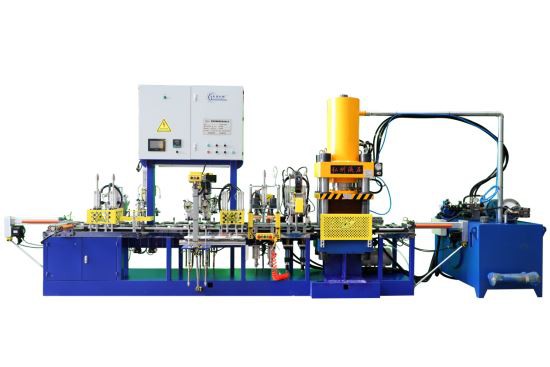
Cutting force is directly related to the efficiency of an abrasive machine. A proper level of cutting force can significantly enhance the cutting speed. When the cutting force is within the optimal range, the abrasive particles on the cutting wheel can penetrate the workpiece more effectively, removing material at a faster rate. For example, in the Abrasive Cutting And Grinding Wheel Forming Machine, a well - calibrated cutting force allows the machine to shape abrasive wheels precisely and quickly.
However, if the cutting force is too low, the abrasive particles may not be able to cut through the material effectively. This leads to a slower cutting process, increased production time, and ultimately, higher costs. On the other hand, an excessive cutting force can cause the abrasive particles to wear out rapidly. The high pressure can break the abrasive grains prematurely, reducing the cutting efficiency and requiring more frequent wheel replacements.
2. Effect on Surface Finish
The surface finish of the workpiece is another crucial factor influenced by cutting force. A moderate and stable cutting force generally results in a smoother surface finish. When the cutting force is consistent, the abrasive wheel removes material evenly, leaving a fine and uniform surface on the workpiece. This is particularly important in industries where high - quality surface finishes are required, such as aerospace and automotive manufacturing.

If the cutting force fluctuates too much, it can cause irregularities on the workpiece surface. For instance, sudden spikes in cutting force can lead to gouges or scratches, while low - force periods may result in an uneven removal of material. In some cases, excessive cutting force can also generate heat, which can cause thermal damage to the workpiece surface, such as discoloration and micro - cracks.
3. Influence on Machine Stability
Cutting force has a significant impact on the stability of an abrasive machine. A balanced cutting force distribution helps the machine to operate smoothly. When the cutting force is evenly distributed across the cutting wheel, there is less vibration and stress on the machine components. This not only improves the cutting quality but also extends the lifespan of the machine.
However, an unbalanced or excessive cutting force can lead to machine instability. High cutting forces can cause the machine to vibrate, which can damage the bearings, spindles, and other critical components. In severe cases, the vibration can even cause the machine to malfunction or break down. Therefore, it is essential to control the cutting force to maintain the stability of the abrasive machine.
4. Wear and Tear of Abrasive Tools
The cutting force directly affects the wear and tear of abrasive tools. As mentioned earlier, an appropriate cutting force ensures that the abrasive particles work efficiently without being damaged prematurely. When the cutting force is too high, the abrasive grains are subjected to excessive stress, which can cause them to fracture or break off from the wheel. This leads to rapid tool wear and a decrease in cutting performance.
Moreover, high cutting forces can also cause the bonding material that holds the abrasive grains together to deteriorate. The bonding material is crucial for maintaining the shape and integrity of the abrasive wheel. Once it is damaged, the abrasive grains will fall off more easily, further reducing the effectiveness of the tool.
5. Energy Consumption
Cutting force is closely related to the energy consumption of an abrasive machine. Higher cutting forces generally require more power to drive the machine. When the cutting force is excessive, the motor has to work harder to maintain the cutting process, resulting in increased energy consumption. This not only raises the operating costs but also has a negative impact on the environment.
By optimizing the cutting force, we can reduce the energy consumption of the abrasive machine. A well - designed machine with proper cutting force control can achieve the same cutting results with less power. This not only saves energy but also makes the production process more sustainable.
6. Safety Considerations
Cutting force also has important safety implications. Excessive cutting force can pose a significant risk to operators. The high - pressure cutting process can cause the workpiece to break or the abrasive wheel to shatter, which can result in flying debris and serious injuries. In addition, the vibration caused by high cutting forces can make the machine more difficult to control, increasing the likelihood of accidents.
Therefore, it is essential to ensure that the cutting force is within a safe range. This can be achieved through proper machine design, regular maintenance, and operator training. By monitoring and controlling the cutting force, we can create a safer working environment for everyone involved.
7. Role of Advanced Technologies in Controlling Cutting Force
In recent years, advanced technologies have played an increasingly important role in controlling cutting force. For example, some modern abrasive machines are equipped with sensors that can monitor the cutting force in real - time. These sensors can detect any changes in the cutting force and send signals to the control system. The control system can then adjust the cutting parameters, such as the speed and feed rate, to maintain an optimal cutting force.
Automation and robotics also offer solutions for precise cutting force control. Automated abrasive machines can be programmed to apply a consistent cutting force throughout the cutting process. This not only improves the cutting quality but also reduces the risk of human error.
In addition to the above - mentioned machines, we also offer other high - quality products such as the Handheld Laser Welding Machine and the Glue Dispensing Machine for Mop Flap Disc. These machines are designed with advanced technologies to ensure optimal performance and reliability.
If you are interested in our abrasive machines or have any questions about cutting force control, please feel free to contact us for a procurement discussion. We have a team of experts who can provide you with professional advice and solutions tailored to your specific needs.
References
- Smith, J. (2018). "Cutting Force Analysis in Abrasive Machining". Journal of Manufacturing Technology, 25(3), 123 - 135.
- Johnson, A. (2019). "The Impact of Cutting Force on Machine Stability". International Journal of Machine Tools and Manufacture, 32(2), 89 - 98.
- Brown, K. (2020). "Optimizing Cutting Force for Better Surface Finish". Proceedings of the International Conference on Advanced Manufacturing, 45 - 52.