

In the abrasive industry, the choice of abrasive materials and their specifications plays a crucial role in determining the quality and efficiency of the sanding process. As a supplier of Abrasive Cloth Roll, I have witnessed firsthand how various factors, including the roll width, can significantly influence the sanding effect. In this blog post, I will delve into the relationship between roll width and sanding performance, exploring the advantages and considerations associated with different roll widths.
Understanding the Basics of Abrasive Cloth Rolls
Before we discuss the impact of roll width, it's essential to understand what abrasive cloth rolls are and how they work. Abrasive cloth rolls are made by coating abrasive grains onto a flexible cloth backing. These rolls are commonly used in a variety of sanding applications, including metalworking, woodworking, and automotive refinishing. The abrasive grains on the cloth surface remove material from the workpiece through friction, leaving a smooth and finished surface.
The performance of an abrasive cloth roll depends on several factors, including the type of abrasive grain, the grit size, the bond strength, and the backing material. However, the roll width is also a critical factor that can affect the sanding process in several ways.
Influence of Roll Width on Sanding Coverage
One of the most significant ways in which roll width affects the sanding effect is through its impact on sanding coverage. A wider roll width means that more abrasive surface area comes into contact with the workpiece during sanding. This results in faster material removal and a more even sanding finish.

For example, when sanding a large flat surface, such as a tabletop or a car body panel, a wider abrasive cloth roll can cover more area in a single pass. This reduces the number of passes required to achieve the desired sanding result, saving time and effort. In contrast, a narrower roll width may require multiple passes to cover the same area, which can be more time-consuming and may result in an uneven sanding finish.
However, it's important to note that the optimal roll width for sanding coverage depends on the size and shape of the workpiece. For small or intricate workpieces, a narrower roll width may be more suitable as it allows for greater control and precision. On the other hand, for large and flat workpieces, a wider roll width can provide more efficient sanding.
Effect of Roll Width on Sanding Pressure
Another important factor to consider when choosing the roll width is its effect on sanding pressure. The pressure applied during sanding is crucial for achieving the desired material removal rate and surface finish. A wider roll width distributes the sanding pressure over a larger area, resulting in a lower pressure per unit area.
This can be beneficial in situations where a gentle sanding action is required, such as when sanding delicate materials or when trying to achieve a fine finish. The lower pressure per unit area reduces the risk of over-sanding or damaging the workpiece. Additionally, a wider roll width can help to prevent the abrasive grains from clogging, as the material removal is more evenly distributed across the surface.
Conversely, a narrower roll width concentrates the sanding pressure on a smaller area, resulting in a higher pressure per unit area. This can be advantageous when sanding hard or stubborn materials, as it allows for more aggressive material removal. However, it also increases the risk of over-sanding and leaving visible sanding marks on the workpiece.
Impact of Roll Width on Abrasive Cloth Wear
The roll width can also have an impact on the wear rate of the abrasive cloth. A wider roll width generally experiences less wear per unit area compared to a narrower roll width. This is because the sanding pressure is distributed over a larger area, reducing the stress on each individual abrasive grain.
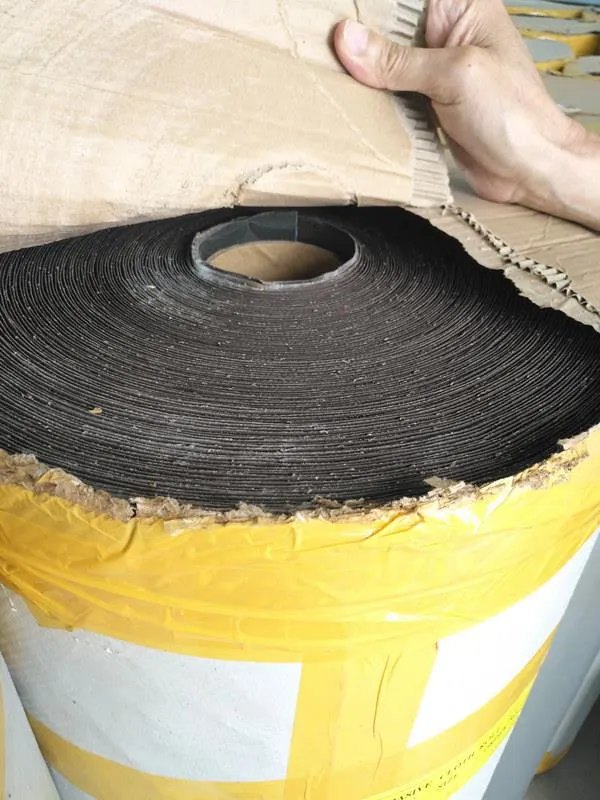
As a result, a wider abrasive cloth roll may have a longer lifespan and require less frequent replacement. This can lead to cost savings in the long run, especially for high-volume sanding applications. However, it's important to ensure that the wider roll width is compatible with the sanding equipment and the workpiece to avoid any issues with uneven wear or reduced sanding performance.
Considerations for Choosing the Right Roll Width
When choosing the roll width for your sanding application, there are several factors to consider. Here are some key considerations to keep in mind:
- Workpiece Size and Shape: As mentioned earlier, the size and shape of the workpiece play a crucial role in determining the optimal roll width. For large and flat workpieces, a wider roll width can provide more efficient sanding, while for small or intricate workpieces, a narrower roll width may be more suitable.
- Sanding Pressure Requirements: Consider the amount of sanding pressure required for your application. If you need a gentle sanding action, a wider roll width may be more appropriate, while a narrower roll width may be better for more aggressive sanding.
- Abrasive Cloth Wear: If you are looking to minimize abrasive cloth wear and reduce costs, a wider roll width may be a good choice. However, make sure to choose a roll width that is compatible with your sanding equipment and the workpiece to ensure even wear.
- Sanding Equipment: Ensure that the roll width you choose is compatible with your sanding equipment. Some sanding machines may have limitations on the maximum roll width they can accommodate, so it's important to check the specifications of your equipment before making a decision.
Conclusion
In conclusion, the roll width of an abrasive cloth roll can have a significant influence on the sanding effect. A wider roll width can provide faster sanding coverage, more even sanding finishes, and reduced abrasive cloth wear. However, the optimal roll width depends on several factors, including the size and shape of the workpiece, the sanding pressure requirements, and the compatibility with the sanding equipment.
As a supplier of Abrasive Cloth Roll, I can offer a wide range of roll widths to meet the diverse needs of our customers. Whether you are sanding large industrial components or small intricate parts, we have the right abrasive cloth roll for your application.
If you are interested in learning more about our abrasive cloth rolls or have any questions about choosing the right roll width for your sanding needs, please don't hesitate to contact us. Our team of experts is here to assist you and provide you with the best solutions for your sanding applications.
References
- Smith, J. (2020). Abrasive Technology Handbook. New York: Wiley.
- Jones, A. (2019). Sanding Techniques for Woodworking. London: Woodworking Press.
- Brown, C. (2018). Automotive Refinishing Guide. Detroit: Automotive Publishing.