

What is the maximum RPM for a flap disc backing?
As a seasoned supplier of Flap Disc Backing, I've encountered numerous inquiries regarding the maximum revolutions per minute (RPM) for these crucial components. Understanding the maximum RPM is vital for ensuring safety, optimizing performance, and extending the lifespan of flap disc backings. In this blog post, I'll delve into the factors influencing the maximum RPM, the importance of adhering to these limits, and how to select the right flap disc backing for your specific RPM requirements.
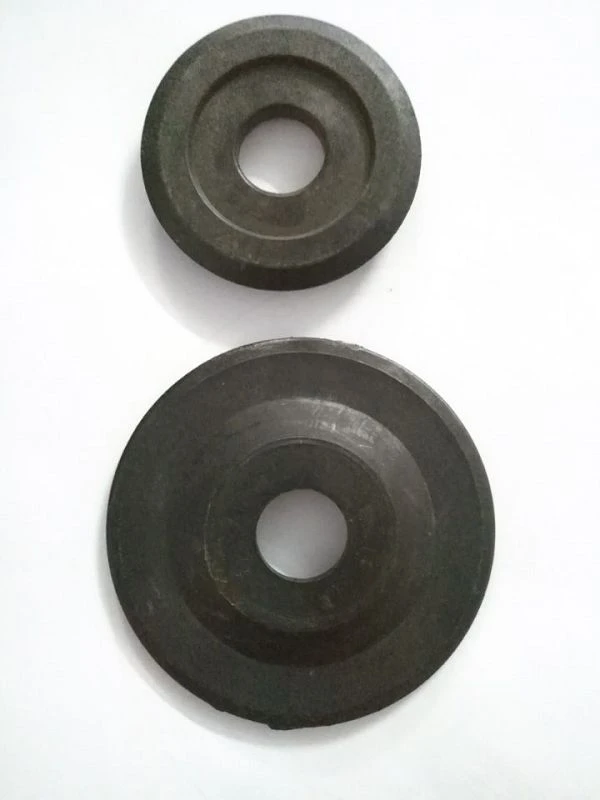
Factors Influencing the Maximum RPM
The maximum RPM for a flap disc backing is determined by several key factors, each playing a significant role in the overall performance and safety of the product. These factors include the material composition, design, size, and quality of the backing.

- Material Composition: The material used to manufacture the flap disc backing is a primary determinant of its maximum RPM. Common materials include Fiber Glass Plate for Flap Disc and Plastic Plate for Flap Disc. Fiber glass plates are known for their high strength and durability, allowing them to withstand higher RPMs compared to plastic plates. Plastic plates, on the other hand, are lightweight and cost-effective but may have lower maximum RPM ratings.
- Design: The design of the flap disc backing also affects its maximum RPM. Backings with a well-balanced design and proper ventilation can dissipate heat more effectively, reducing the risk of overheating and damage at high speeds. Additionally, the shape and thickness of the backing can impact its stability and performance at different RPMs.
- Size: The size of the flap disc backing is another important factor to consider. Larger backings generally have lower maximum RPM ratings due to their increased mass and inertia. Smaller backings, on the other hand, can typically handle higher RPMs because they have less mass and are more easily balanced.
- Quality: The quality of the manufacturing process and the materials used can significantly impact the maximum RPM of a flap disc backing. High-quality backings are manufactured to strict standards, ensuring consistent performance and reliability. Inferior quality backings may have structural weaknesses or inconsistencies that can lead to premature failure at high speeds.
Importance of Adhering to Maximum RPM Limits
Adhering to the maximum RPM limits specified by the manufacturer is crucial for several reasons. First and foremost, it ensures the safety of the operator and those in the vicinity. Operating a flap disc backing at speeds exceeding its maximum RPM can cause the backing to break apart, sending sharp fragments flying at high speeds. This can result in serious injuries or even fatalities.
In addition to safety, adhering to the maximum RPM limits also helps to optimize the performance of the flap disc. Operating the backing at the recommended RPM ensures that the abrasive flaps are spinning at the correct speed, providing efficient material removal and a smooth finish. Running the backing at speeds too low can result in inefficient cutting and a poor-quality finish, while running it at speeds too high can cause the flaps to wear out prematurely and reduce the overall lifespan of the disc.
Selecting the Right Flap Disc Backing for Your RPM Requirements
When selecting a flap disc backing, it's important to consider your specific RPM requirements. Here are some tips to help you choose the right backing:
- Check the Manufacturer's Specifications: Always refer to the manufacturer's specifications to determine the maximum RPM rating for the flap disc backing. This information is typically printed on the product packaging or provided in the product documentation.
- Consider the Application: The type of application you'll be using the flap disc for will also influence your RPM requirements. For example, heavy-duty grinding applications may require a backing with a higher maximum RPM rating to ensure efficient material removal.
- Choose the Right Material: As mentioned earlier, the material composition of the flap disc backing plays a significant role in its maximum RPM rating. Consider the specific requirements of your application and choose a backing made from a material that can handle the desired RPM.
- Ensure Proper Installation: Proper installation of the flap disc backing is essential for ensuring safe and efficient operation. Make sure the backing is securely attached to the tool and that the abrasive flaps are properly aligned.
Our Flap Disc Backing Solutions
At our company, we offer a wide range of Flap Disc Backing Plate options to meet the diverse needs of our customers. Our backings are manufactured using high-quality materials and advanced manufacturing processes, ensuring consistent performance and reliability. Whether you need a fiber glass plate for high-speed applications or a plastic plate for cost-effective solutions, we have the right backing for you.
In addition to our standard product offerings, we also provide custom solutions to meet your specific requirements. Our team of experts can work with you to design and manufacture a flap disc backing that is tailored to your unique application.

Contact Us for Your Flap Disc Backing Needs
If you're in the market for high-quality flap disc backings, we'd love to hear from you. Our team of knowledgeable sales representatives can provide you with detailed information about our products, help you select the right backing for your application, and answer any questions you may have. Contact us today to discuss your flap disc backing requirements and start a conversation about how we can help you achieve your goals.
References
- American National Standards Institute (ANSI). (Year). ANSI B7.1 - Abrasive Wheels - Safety Requirements.
- Occupational Safety and Health Administration (OSHA). (Year). 29 CFR 1910.215 - Abrasive Wheels.
- Manufacturer's product documentation for flap disc backings.