

As a supplier for a Sand Cloth factory, I've witnessed firsthand the intricate dance of production efficiency within this industry. Production efficiency in a Sand Cloth factory is a multi - faceted concept that encompasses everything from raw material sourcing to the final product delivery.
Raw Material Sourcing and Quality
The journey of sand cloth production begins with raw material sourcing. High - quality raw materials are the foundation of efficient production. For sand cloth, materials such as abrasive grains, backing materials, and adhesives play crucial roles.
Abrasive grains are the cutting edges of sand cloth. The type, size, and quality of these grains directly impact the performance of the final product. For instance, aluminum oxide and silicon carbide are two common types of abrasive grains used in sand cloth production. Aluminum oxide is known for its durability and is suitable for a wide range of applications, while silicon carbide is more brittle but provides a finer finish, making it ideal for polishing and finishing tasks.
Backing materials also matter significantly. They provide support for the abrasive grains and determine the flexibility and strength of the sand cloth. Common backing materials include paper, cloth, and Fiberglass Net. Fiberglass net, in particular, offers excellent strength and tear resistance, which can enhance the overall quality and longevity of the sand cloth.
Adhesives are used to bond the abrasive grains to the backing material. A high - quality adhesive ensures that the grains stay firmly attached during use, preventing premature grain loss and maintaining consistent cutting performance. Selecting the right raw materials from reliable suppliers is essential. This not only ensures the quality of the final product but also reduces the likelihood of production disruptions caused by sub - standard materials.
Production Process Optimization
Once the raw materials are sourced, the production process itself needs to be optimized for efficiency. In a sand cloth factory, the production process typically involves several steps, including coating the backing material with adhesive, applying the abrasive grains, and curing the product.
The coating process is a critical step. The adhesive must be applied evenly across the backing material to ensure uniform bonding of the abrasive grains. Automated coating machines are often used in modern factories to achieve this. These machines can precisely control the thickness and distribution of the adhesive, reducing waste and improving product quality.
Applying the abrasive grains also requires precision. The grains need to be evenly distributed on the adhesive - coated backing material. Different methods can be used for this, such as electrostatic deposition or gravity - fed systems. Electrostatic deposition, for example, uses an electric field to attract the abrasive grains to the backing material, resulting in a more uniform distribution.
Curing is the final step in the production process. It involves heating the coated backing material to a specific temperature for a set period to harden the adhesive and bond the abrasive grains permanently. Optimizing the curing process is crucial as improper curing can lead to weak bonding, reduced product performance, and even production delays.
Equipment Maintenance and Upgrades
The efficiency of a sand cloth factory is also closely tied to the condition of its production equipment. Regular maintenance of machines such as coating machines, grain applicators, and curing ovens is essential. A well - maintained machine operates more smoothly, has fewer breakdowns, and produces higher - quality products.
Factory managers should establish a comprehensive maintenance schedule that includes routine inspections, cleaning, and replacement of worn - out parts. Predictive maintenance techniques can also be employed, using sensors and data analytics to detect potential equipment failures before they occur. This proactive approach can minimize downtime and improve overall production efficiency.
In addition to maintenance, periodic equipment upgrades are necessary to keep up with technological advancements. Newer machines often offer higher production speeds, better precision, and energy - saving features. For example, modern coating machines may have advanced control systems that can adjust the coating thickness in real - time based on the production requirements, resulting in more efficient use of materials and improved product quality.
Labor Management
Human resources are another key factor in production efficiency. A skilled and motivated workforce can significantly enhance the productivity of a sand cloth factory. Training programs should be provided to employees to ensure they have the necessary skills to operate the production equipment effectively.
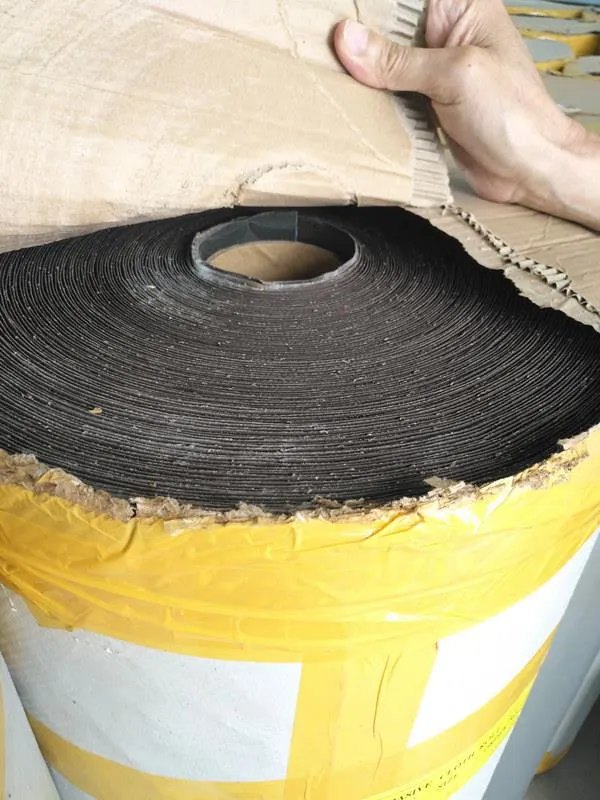

Employee motivation also plays a crucial role. Incentive programs, such as performance - based bonuses or recognition for high - quality work, can encourage employees to work more efficiently. A positive work environment, with good communication channels and teamwork, can also boost morale and productivity.
Moreover, proper labor allocation is essential. Assigning the right employees to the right tasks based on their skills and experience can improve the overall flow of the production process. For example, experienced operators should be in charge of critical machines, while less - skilled workers can handle support tasks.
Quality Control
Quality control is an integral part of production efficiency. By ensuring that the final product meets the required quality standards, a sand cloth factory can reduce waste, rework, and customer complaints.
Quality control measures should be implemented at every stage of the production process. Incoming raw materials should be inspected to ensure they meet the specified quality criteria. During production, in - process inspections can be carried out to detect any potential quality issues early. For example, samples of the coated backing material can be taken at regular intervals to check the adhesive thickness and grain distribution.
Final product inspections are also crucial. Products should be tested for various performance parameters, such as abrasive performance, flexibility, and durability. Only products that pass these tests should be packaged and shipped to customers.
Inventory Management
Effective inventory management is vital for maintaining production efficiency in a sand cloth factory. Having the right amount of raw materials and finished products in stock is crucial.
On one hand, overstocking can tie up capital and lead to increased storage costs. On the other hand, understocking can cause production delays if there are shortages of essential raw materials. To strike the right balance, factory managers can use inventory management systems that track inventory levels in real - time and generate purchase orders automatically when stock levels reach a certain threshold.
Finished product inventory should also be managed carefully. By analyzing sales data and customer demand patterns, factories can optimize their production schedules to avoid overproduction and reduce inventory holding costs.
Supply Chain Collaboration
As a supplier, I understand the importance of supply chain collaboration in improving production efficiency. A sand cloth factory should build strong relationships with its suppliers and customers.
Collaboration with suppliers can lead to better raw material sourcing. For example, suppliers can provide valuable insights into new raw material options, quality improvements, and cost - saving opportunities. By working closely with suppliers, factories can also negotiate better prices, delivery terms, and ensure a stable supply of raw materials.
On the customer side, understanding customer needs and preferences is essential. By gathering feedback from customers, factories can adjust their production processes and product offerings to better meet market demand. This can lead to increased customer satisfaction and loyalty, which in turn can drive sales and improve the overall efficiency of the factory.
Conclusion
In conclusion, the production efficiency of a sand cloth factory is a complex concept that involves multiple aspects, from raw material sourcing to supply chain collaboration. By focusing on optimizing each of these areas, a factory can improve its productivity, reduce costs, and produce high - quality sand cloth products.
If you are interested in purchasing high - quality sand cloth products, Emery Cloth for Coated & Bonded Abrasive or Abrasive Cloth Roll, please feel free to contact us for a procurement negotiation. We are committed to providing you with the best products and services.
References
- "Abrasive Technology Handbook", published by Industrial Abrasives Association
- "Manufacturing Efficiency Best Practices", a white - paper by a leading manufacturing consultancy firm
- Industry reports from market research companies specializing in the abrasive products industry