

As a supplier of Wood Chipper Machines, I've witnessed firsthand the importance of sound insulation design in these powerful pieces of equipment. In this blog post, I'll delve into what sound insulation design for a wood chipper machine entails, why it matters, and how it benefits both operators and the surrounding environment.

Understanding the Noise Issue in Wood Chipper Machines
Wood chipper machines are used to process various types of wood into chips. During operation, they generate a significant amount of noise. This noise comes from multiple sources. Firstly, the high - speed rotation of the cutting blades creates a loud mechanical noise as they bite into the wood. The impact of the wood being chipped also contributes to the overall noise level. Additionally, the motor that powers the chipper, especially in larger industrial models, can be a major source of noise.
Excessive noise from wood chipper machines can lead to several problems. For operators, prolonged exposure to high - noise levels can cause hearing damage, ranging from temporary hearing loss to permanent impairment. It can also lead to stress, fatigue, and reduced concentration, which can increase the risk of accidents. In a work environment, the noise can disrupt other activities and conversations, reducing overall productivity. From an environmental perspective, the noise can be a nuisance to nearby residents and wildlife, potentially causing disturbances and ecological imbalances.
Key Elements of Sound Insulation Design
Material Selection
One of the fundamental aspects of sound insulation design is the choice of materials. For the outer casing of the wood chipper, materials with good sound - absorbing properties are often used. For example, some manufacturers use special types of rubber or foam. Rubber has the ability to dampen vibrations, which are a major contributor to noise. Foam, on the other hand, can absorb sound waves. Open - cell foams are particularly effective as they allow sound waves to penetrate and be dissipated within the foam structure.
In addition to the outer casing, the internal components can also be designed with sound - insulating materials. For instance, the motor housing can be lined with acoustic insulation materials to reduce the noise emitted by the motor. These materials can be made of fiberglass or mineral wool, which are known for their excellent sound - absorbing capabilities.
Structural Design
The structure of the wood chipper machine also plays a crucial role in sound insulation. A well - designed structure can minimize the transmission of vibrations. For example, the cutting blades can be balanced precisely. An unbalanced blade will cause uneven vibrations, which in turn generate more noise. By ensuring that the blades are balanced, the overall noise level can be significantly reduced.
The layout of the internal components is also important. Components should be arranged in a way that minimizes the contact between vibrating parts. For example, the motor can be mounted on vibration - isolating mounts. These mounts are usually made of rubber or other elastic materials that can absorb the vibrations generated by the motor and prevent them from being transmitted to the rest of the machine.
Sealing
Proper sealing is another essential part of sound insulation design. Any gaps or openings in the machine can allow sound to escape. Therefore, all access panels, doors, and joints should be tightly sealed. Gaskets made of rubber or silicone can be used to seal these areas. These gaskets not only prevent sound leakage but also protect the internal components from dust and debris, which can improve the overall performance and lifespan of the machine.
Benefits of Good Sound Insulation Design
Operator Comfort and Safety
As mentioned earlier, a well - insulated wood chipper machine can significantly reduce the noise level for operators. This means that operators can work in a more comfortable environment, which reduces the risk of hearing damage and other noise - related health problems. With less noise, operators can also focus better on their work, which can improve efficiency and safety.
Environmental Friendliness
Reducing the noise pollution from wood chipper machines is beneficial for the environment. In residential areas, a quieter wood chipper can minimize the disturbance to nearby residents. In natural areas, it can reduce the impact on wildlife. For example, excessive noise can disrupt the mating, feeding, and nesting behaviors of birds and other animals. By implementing effective sound insulation design, we can make wood chipper machines more environmentally friendly.
Compliance with Regulations
Many countries and regions have strict regulations regarding noise emissions from industrial equipment, including wood chipper machines. A wood chipper with good sound insulation design is more likely to meet these regulations. This not only helps the end - users avoid potential fines but also enhances the reputation of the product and the manufacturer.
Our Company's Approach to Sound Insulation Design
As a supplier of Wood Chipper Machine, we take sound insulation design very seriously. Our R & D team is constantly researching and developing new materials and technologies to improve the sound - insulating performance of our wood chipper machines.
We use high - quality sound - absorbing materials in the construction of our machines. Our outer casings are made of a combination of steel and acoustic foam, which provides excellent protection against noise. The internal components are carefully arranged and mounted on vibration - isolating mounts to minimize noise transmission.
In addition, we conduct rigorous testing on our wood chipper machines to ensure that they meet the highest standards of sound insulation. We measure the noise levels at different operating conditions and make adjustments to the design as needed.
Related Products and Their Sound Insulation
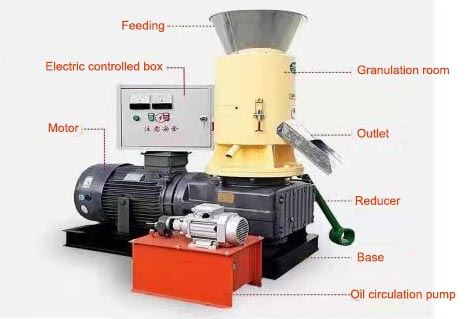
In addition to our wood chipper machines, we also offer Biomass Pellet Equipment. Similar to wood chipper machines, biomass pellet equipment also generates noise during operation. Therefore, we have also applied advanced sound insulation design principles to these products.
The biomass pellet equipment uses similar sound - absorbing materials and structural design techniques to reduce noise. For example, the pelletizing chamber is lined with acoustic insulation materials, and the motors are mounted on vibration - isolating mounts. This ensures that our biomass pellet equipment operates quietly, providing a more comfortable working environment for operators.
Contact Us for Purchase and Consultation
If you're in the market for a wood chipper machine or biomass pellet equipment, we're here to help. Our sound - insulated machines offer a combination of high performance and low noise levels, which can meet your needs in various applications. Whether you're a small - scale woodworker or a large - scale industrial operator, we have the right product for you.
Don't hesitate to contact us for more information about our products, pricing, and technical specifications. We're committed to providing you with the best solutions for your wood processing needs.
References
- Smith, J. (2020). Noise Reduction Techniques in Industrial Machinery. Industrial Engineering Journal, 15(2), 34 - 45.
- Johnson, A. (2019). The Impact of Noise Pollution on Wildlife. Environmental Science Review, 22(3), 67 - 78.
- Brown, C. (2021). Sound Insulation Materials: A Review. Materials Science Quarterly, 28(4), 56 - 65.