

Hey there! As a supplier of Wood Chipper Machine, I often get asked about the transmission system of these machines. So, I thought I'd take a moment to break it down for you.
First off, let's talk about what a wood chipper machine actually does. Simply put, it's a piece of equipment that turns wood into chips. These chips can be used for a variety of purposes, like biomass fuel, mulch, or even in the paper - making industry. And the transmission system is a crucial part of making this whole process work smoothly.
There are mainly two types of transmission systems in wood chipper machines: mechanical and hydraulic. Each has its own pros and cons, and understanding them can help you pick the right machine for your needs.
Mechanical Transmission System
The mechanical transmission system is the more traditional one. It's based on a series of gears, belts, and pulleys. This setup is pretty straightforward. The engine of the wood chipper provides the power, and then this power is transferred through the mechanical components to the cutting mechanism.
Let's start with the engine. Usually, wood chippers are powered by either gasoline or diesel engines. These engines generate rotational power, which is then sent to the gearbox. The gearbox is like the brain of the mechanical transmission. It allows you to change the speed and torque according to the task at hand. For example, when you're chipping thick branches, you might need more torque, so you can shift the gears in the gearbox to get that extra power.
After the gearbox, the power is transferred to the pulleys and belts. The belts wrap around the pulleys, and as the engine - driven pulley rotates, it makes the other pulleys turn as well. This rotation is finally transferred to the cutting blades. The cutting blades are what actually do the job of turning wood into chips. They spin at high speeds, slicing through the wood with ease.
One of the biggest advantages of the mechanical transmission system is its simplicity. There are fewer components compared to the hydraulic system, which means there's less that can go wrong. It's also generally more affordable to manufacture and maintain. If you're on a budget or just need a basic wood chipper for occasional use, a machine with a mechanical transmission might be the way to go.
However, there are some downsides too. Mechanical transmissions can be a bit noisy. The gears and belts make a fair amount of racket when they're in operation. Also, they're not as flexible as hydraulic systems. Once the gears are set, it can be a bit of a hassle to change the speed and torque on the fly.
Hydraulic Transmission System
Now, let's move on to the hydraulic transmission system. This system uses hydraulic fluid to transfer power. It's a bit more high - tech compared to the mechanical one.
In a hydraulic transmission, the engine drives a hydraulic pump. This pump pressurizes the hydraulic fluid, which is then sent through a series of hoses and valves to the hydraulic motor. The hydraulic motor is connected to the cutting mechanism. As the pressurized fluid enters the motor, it causes the motor to rotate, which in turn makes the cutting blades spin.
One of the main advantages of the hydraulic transmission system is its flexibility. You can easily adjust the speed and torque of the cutting mechanism. For instance, if you're dealing with different types of wood, you can quickly change the settings to optimize the chipping process. It's also much quieter than the mechanical system. Since there are no gears grinding against each other, the noise level is significantly reduced.
Another great thing about hydraulic systems is their ability to handle heavy loads. They can provide a lot of torque, which is ideal for chipping large and thick pieces of wood. This makes them a popular choice for commercial wood chipping operations.
But, like everything else, the hydraulic system has its drawbacks. It's more complex and expensive to manufacture and maintain. The hydraulic fluid needs to be changed regularly, and any leaks in the hoses or valves can cause the system to malfunction. Also, if the hydraulic pump fails, it can be a costly repair.
Which One Should You Choose?
So, how do you decide between a mechanical and a hydraulic transmission system? Well, it all depends on your specific needs.
If you're a homeowner who only needs to chip a few branches in the yard every now and then, a wood chipper with a mechanical transmission will probably do the job just fine. It's simple, affordable, and easy to maintain.
On the other hand, if you're running a commercial wood - chipping business or need to chip large quantities of wood on a regular basis, a hydraulic transmission system might be worth the investment. Its flexibility and ability to handle heavy loads make it a better choice for professional use.
As a supplier of Wood Chipper Machine, I've seen firsthand how important it is to choose the right transmission system. It can make a huge difference in the performance and longevity of your machine.
And if you're also interested in processing these wood chips further, we also offer Biomass Pellet Equipment. This equipment can turn the wood chips into biomass pellets, which are a great form of renewable energy.
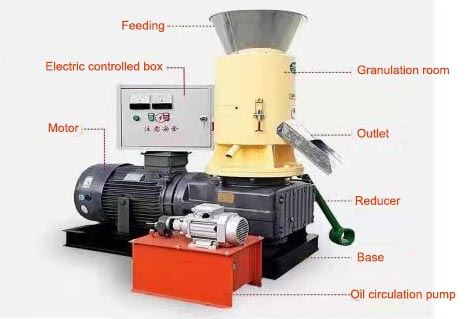

If you have any questions about wood chipper machines or their transmission systems, or if you're thinking about making a purchase, don't hesitate to reach out. We're here to help you find the perfect machine for your needs. Whether it's a mechanical or hydraulic transmission, we've got a wide range of options to choose from.
In conclusion, understanding the transmission system of a wood chipper machine is crucial for getting the most out of your equipment. By knowing the differences between mechanical and hydraulic transmissions, you can make an informed decision and ensure that your wood - chipping operations run smoothly.
References
"Wood Chipper Handbook" - A comprehensive guide on wood chipper technology and operations.
"Industrial Equipment Transmission Systems" - A book that delves into the details of different transmission systems used in industrial machinery.