

Hey there! As a supplier of Wood Chipper Machine, I often get asked about the vibration level of these machines. It's a crucial aspect that can impact not only the performance of the wood chipper but also the operator's comfort and safety. So, let's dive into what the vibration level of a wood chipper machine is all about.
Understanding Vibration in Wood Chipper Machines
First off, vibration is a natural by - product of any mechanical device in operation, and wood chipper machines are no exception. When the wood chipper is working, its various components like the engine, blades, and rotating parts are in motion. These moving parts generate forces that cause the machine to vibrate.
The vibration level of a wood chipper is typically measured in terms of acceleration, usually in meters per second squared (m/s²). The level of vibration can vary significantly depending on several factors.
Factors Affecting Vibration Levels
1. Machine Design and Quality
Well - designed wood chippers from reputable manufacturers tend to have lower vibration levels. They use high - quality materials and precision engineering to ensure that the moving parts are balanced properly. For example, a chipper with a well - balanced rotor will experience less vibration compared to one with an unbalanced rotor. The alignment of the blades also plays a huge role. If the blades aren't aligned correctly, it can cause uneven forces during the chipping process, leading to increased vibration.
2. Type of Wood Being Chipped
The type of wood you're feeding into the chipper matters a lot. Hardwoods like oak and maple are denser and more difficult to chip compared to softwoods like pine. When chipping hardwoods, the chipper has to work harder, which can result in higher vibration levels. Also, the size and shape of the wood pieces can affect vibration. Irregularly shaped or large pieces of wood can put more stress on the machine and cause it to vibrate more.
3. Operating Conditions
How you operate the wood chipper can impact its vibration level. If the machine is not placed on a stable surface, it will vibrate more. A wobbly or uneven surface can amplify the natural vibrations of the chipper. Additionally, overloading the chipper by feeding too much wood at once can also increase the vibration. The engine has to work harder to process the excess wood, which can lead to more intense vibrations.
Why Vibration Levels Matter
1. Operator Comfort
High vibration levels can be extremely uncomfortable for the operator. Prolonged exposure to excessive vibration can cause fatigue, hand - arm vibration syndrome, and other health issues. This can not only affect the operator's well - being but also their productivity. An operator who is constantly dealing with a vibrating machine is likely to make mistakes and may not be able to work as efficiently.
2. Machine Durability
Excessive vibration can also take a toll on the wood chipper itself. It can cause components to loosen over time, leading to premature wear and tear. Bolts may come loose, and parts may break more easily. This can result in frequent breakdowns and costly repairs, which is definitely not something you want as a user or a supplier.
3. Safety
From a safety perspective, high vibration levels can make the machine unstable. There's a risk of the chipper tipping over, especially if it's not properly secured. This can pose a serious danger to the operator and anyone in the vicinity.
Measuring Vibration Levels
There are specialized tools available to measure the vibration level of a wood chipper machine. Vibration meters are commonly used. These devices can be attached to the machine at various points to measure the acceleration of the vibrations. They provide accurate readings that can help you determine if the vibration level is within an acceptable range.
Most manufacturers will specify the acceptable vibration levels for their wood chippers in the user manual. It's important to regularly measure the vibration levels to ensure that the machine is operating safely and efficiently. If the vibration levels are higher than the recommended values, it's a sign that something might be wrong with the machine, and you should take appropriate action.
Controlling Vibration Levels
1. Maintenance
Regular maintenance is key to keeping the vibration levels of your wood chipper in check. This includes checking and tightening all the bolts and nuts, lubricating the moving parts, and sharpening the blades. A well - maintained machine is less likely to vibrate excessively.
2. Proper Operation
As mentioned earlier, operating the chipper correctly can significantly reduce vibration. Make sure to place the machine on a flat and stable surface. Feed the wood at a steady pace and avoid overloading the machine. Following the manufacturer's guidelines for operation is crucial.
3. Upgrades and Improvements
Some suppliers, like us, offer upgrades and improvements for wood chippers that can help reduce vibration. For example, we have upgraded rotors that are better balanced and can reduce vibration levels. We also have anti - vibration mounts that can be installed on the machine to dampen the vibrations.
Related Equipment and Their Vibration Considerations
If you're in the wood processing industry, you might also be interested in Biomass Pellet Equipment. Similar to wood chippers, biomass pellet equipment also generates vibrations during operation. The vibration levels in these machines are also affected by factors like design, the type of biomass being processed, and operating conditions.

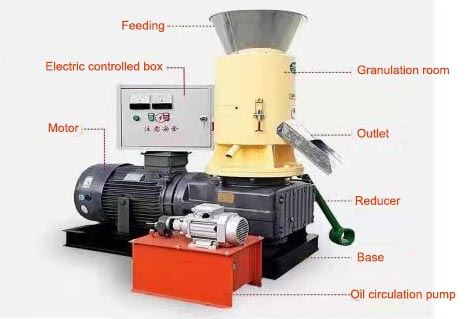
Just like with wood chippers, high vibration levels in biomass pellet equipment can lead to operator discomfort, reduced machine durability, and safety risks. So, it's important to pay attention to the vibration levels and take steps to control them.
Conclusion
In conclusion, the vibration level of a wood chipper machine is an important factor that can't be ignored. It affects the operator's comfort, the machine's durability, and overall safety. By understanding the factors that affect vibration levels, measuring them regularly, and taking steps to control them, you can ensure that your wood chipper operates smoothly and efficiently.
If you're in the market for a wood chipper or biomass pellet equipment, we're here to help. We offer high - quality machines with low vibration levels and excellent customer support. Whether you have questions about vibration levels or need advice on choosing the right equipment, feel free to reach out for a purchase negotiation. We're eager to work with you to find the best solutions for your wood processing needs.
References
- Wood Chipper Manufacturer's User Manuals
- Industry Standards for Wood Processing Equipment Vibration Levels
- Research Papers on Mechanical Vibration in Woodworking Machinery