

Hey there! As a supplier of abrasive machines, I've seen firsthand the importance of safety when using these powerful tools. Abrasive machines are widely used in various industries for grinding, cutting, and polishing, but they can also be dangerous if not handled properly. In this blog post, I'll share some essential safety precautions that you should take when using an abrasive machine.
1. Read the Manual
Before you even think about turning on an abrasive machine, make sure you read the user manual thoroughly. The manual contains important information about the machine's operation, maintenance, and safety features. It will also tell you how to properly install and use the machine, as well as any specific safety precautions that you need to take. Don't skip this step! It could save you from a serious accident.
2. Wear Personal Protective Equipment (PPE)
Personal protective equipment is a must when using an abrasive machine. Here are some of the essential PPE items that you should wear:
- Safety Glasses or Goggles: Protect your eyes from flying debris, sparks, and dust. Make sure the glasses or goggles have side shields for maximum protection.
- Face Shield: If you're working with a high-speed abrasive machine or doing heavy grinding, a face shield provides an extra layer of protection for your face.
- Hearing Protection: Abrasive machines can be very noisy, which can cause hearing damage over time. Wear earplugs or earmuffs to protect your ears.
- Respirator: When grinding or cutting, fine dust particles are generated. Inhaling these particles can be harmful to your health. Wear a respirator to filter out the dust.
- Gloves: Protect your hands from cuts, abrasions, and burns. Choose gloves that are appropriate for the type of work you're doing.
- Apron or Protective Clothing: Wear a heavy-duty apron or protective clothing to protect your body from sparks, debris, and chemicals.
3. Inspect the Machine
Before each use, inspect the abrasive machine for any signs of damage or wear. Check the power cord for frays or cuts, the switches for proper operation, and the grinding wheels or discs for cracks or chips. If you notice any problems, do not use the machine. Instead, have it repaired or replaced by a qualified technician.
4. Use the Right Grinding Wheel or Disc
Using the wrong grinding wheel or disc can be extremely dangerous. Make sure you select the right wheel or disc for the job, based on the material you're working with, the type of machine you're using, and the speed of the machine. Using a wheel or disc that is too hard or too soft for the material can cause it to break or shatter, which can lead to serious injury.
You can check out our Flag Disc Grinding Ratio Testing Machine to ensure the quality and performance of your grinding wheels.
5. Secure the Workpiece
Always secure the workpiece firmly before starting the machine. Use clamps, vices, or other appropriate fixtures to hold the workpiece in place. This will prevent it from moving or shifting during the grinding or cutting process, which can cause the wheel or disc to bind or break.

6. Maintain a Safe Distance
Keep a safe distance from the grinding wheel or disc at all times. Do not stand directly in front of the machine when it is running, as this increases the risk of being hit by flying debris. Also, make sure there are no other people or objects in the immediate vicinity of the machine.
7. Avoid Overloading the Machine
Do not overload the abrasive machine by applying too much pressure or using it for tasks that it is not designed for. Overloading the machine can cause it to overheat, which can damage the motor and other components. It can also increase the risk of the wheel or disc breaking.
8. Keep the Machine Clean
Regularly clean the abrasive machine to remove dust, debris, and other contaminants. This will help to prevent the build-up of dirt and grime, which can affect the performance of the machine and increase the risk of fire or explosion.
9. Follow Proper Shut-Off Procedures
When you're finished using the abrasive machine, turn it off and unplug it from the power source. Wait for the wheel or disc to come to a complete stop before removing the workpiece or making any adjustments to the machine.
10. Training and Supervision
Make sure that anyone who uses an abrasive machine is properly trained and supervised. Provide comprehensive training on the safe operation of the machine, including how to use the PPE, inspect the machine, and follow the safety precautions. Regularly review and reinforce the safety procedures to ensure that everyone is aware of the risks and knows how to prevent accidents.
11. Emergency Preparedness
Have an emergency plan in place in case of an accident. Make sure there is a first aid kit nearby and that everyone knows how to use it. Also, know the location of the nearest fire extinguisher and how to use it in case of a fire.
Conclusion
Safety should always be your top priority when using an abrasive machine. By following these safety precautions, you can minimize the risk of accidents and injuries and ensure a safe working environment.
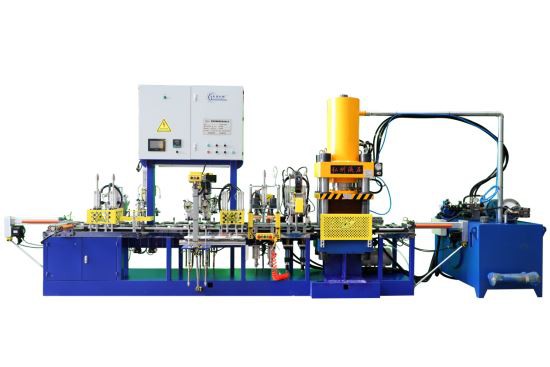
If you're in the market for high-quality abrasive machines, we've got you covered. We offer a wide range of abrasive machines, including the Abrasive Cutting And Grinding Wheel Forming Machine and the Crawler Type Belt Joint Grinding And Gluing Integrated Machine. Our machines are designed to meet the highest safety standards and provide reliable performance.
If you have any questions or would like to discuss your abrasive machine needs, feel free to reach out to us. We're here to help you find the right solution for your business.
References
- OSHA (Occupational Safety and Health Administration) guidelines on abrasive machine safety.
- Manufacturer's user manuals for abrasive machines.