

What size wood can a wood chipper machine handle? This is a question that many customers often ask when they are considering purchasing a wood chipper machine. As a supplier of Wood Chipper Machine, I'm here to provide you with a comprehensive answer to this important question.
Factors Affecting the Size of Wood a Chipper Can Handle
Several factors determine the size of wood that a wood chipper machine can handle. These factors include the type of chipper, its power source, and the design of its cutting mechanism.
Type of Chipper
There are mainly two types of wood chippers: disc chippers and drum chippers. Disc chippers use a large circular disc with blades attached to it. As the disc rotates, the blades cut through the wood. These chippers are generally more suitable for handling larger pieces of wood. Some industrial - grade disc chippers can handle logs with diameters up to 12 inches or more.
On the other hand, drum chippers have a drum with blades on its surface. The wood is fed into the drum, and the blades chip it as the drum rotates. Drum chippers are often more compact and are better for smaller to medium - sized wood. They usually handle wood with diameters ranging from 2 to 6 inches.
Power Source
The power source of a wood chipper also plays a crucial role. Gas - powered chippers tend to have more power compared to electric ones. Gas engines can generate higher torque, allowing the chipper to handle larger and denser pieces of wood. A high - powered gas - driven wood chipper may be able to take on logs with a diameter of 8 - 10 inches.
Electric chippers, while more environmentally friendly and quieter, are typically less powerful. They are usually designed for residential or light - commercial use and can generally handle wood with diameters up to 4 inches. Battery - powered chippers are even more limited in terms of power and are best for very small branches and twigs, usually up to 1 - 2 inches in diameter.
Cutting Mechanism Design
The design of the cutting mechanism affects the chipper's ability to handle different wood sizes. Chippers with sharp, well - designed blades can cut through wood more efficiently. Some chippers have adjustable cutting mechanisms that allow you to change the size of the chips produced and also influence the maximum size of the wood that can be fed into the machine. For example, a chipper with a self - feeding mechanism can handle larger pieces more smoothly as it pulls the wood into the cutting area at a controlled rate.
Common Sizes of Wood Handled by Different Wood Chippers
Residential Wood Chippers
Residential wood chippers are designed for homeowners who need to clear small branches and twigs from their yards. These chippers are usually electric or battery - powered. Electric residential chippers can typically handle wood with diameters between 1.5 and 3 inches. Battery - powered models are even more limited, usually handling branches up to 2 inches in diameter. They are lightweight, easy to operate, and relatively quiet, making them ideal for home use.
Light - Commercial Wood Chippers
Light - commercial wood chippers are suitable for small landscaping businesses, tree service companies, or farmers with a moderate amount of wood waste to process. These chippers are often gas - powered and can handle wood with diameters ranging from 3 to 6 inches. They are more durable and have a higher capacity than residential models, allowing for continuous operation over longer periods.
Industrial Wood Chippers
Industrial wood chippers are heavy - duty machines used in large - scale forestry operations, paper mills, and biomass power plants. These chippers are extremely powerful and can handle very large pieces of wood. Some industrial disc chippers can handle logs with diameters of 12 inches or more. They are built to withstand continuous, high - volume use and can process large amounts of wood in a short time.
Importance of Choosing the Right Size - Handling Capacity
Choosing a wood chipper with the appropriate size - handling capacity is essential for several reasons.
Efficiency
If you choose a chipper that can't handle the size of the wood you have, you'll have to spend extra time cutting the wood into smaller pieces. This not only increases the labor required but also reduces the overall efficiency of the chipping process. On the other hand, if you choose a chipper that is too large for your needs, you'll be using more energy and resources than necessary, which can be costly in the long run.
Safety
Using a wood chipper to handle wood that is too large for its capacity can be dangerous. The machine may jam, and trying to clear the jam can put you at risk of injury. A chipper that is properly matched to the size of the wood will operate more smoothly and safely.
Cost - Effectiveness
Selecting the right - sized chipper can save you money. A chipper with the appropriate size - handling capacity will require less maintenance and have a longer lifespan. You'll also save on fuel or electricity costs as it operates more efficiently.
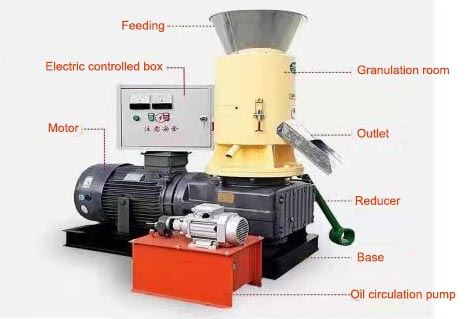

Applications of Wood Chips Based on Chipper Output Size
The size of the wood chips produced by a wood chipper can vary depending on the machine's settings and the size of the input wood. Different applications require different chip sizes.
Mulching
For mulching in gardens and landscapes, medium - sized wood chips are ideal. These chips, usually produced from wood with diameters of 3 - 6 inches, help retain moisture in the soil, suppress weeds, and add nutrients as they decompose. Wood Chipper Machine can be adjusted to produce the right - sized chips for this purpose.
Biomass Energy Production
In biomass energy production, consistent - sized wood chips are needed. Smaller chips, produced from wood with diameters of 2 - 4 inches, are often preferred as they burn more efficiently. These chips can be used in biomass boilers or converted into Biomass Pellet Equipment for use in pellet stoves and power plants.
Animal Bedding
For animal bedding, larger, coarser wood chips are sometimes used. These chips can be produced from larger pieces of wood, typically 6 - 8 inches in diameter. They provide a comfortable and absorbent surface for animals.
Conclusion
In conclusion, the size of wood that a wood chipper machine can handle depends on multiple factors such as the type of chipper, power source, and cutting mechanism design. Whether you are a homeowner, a small - business owner, or involved in large - scale industrial operations, choosing the right wood chipper with the appropriate size - handling capacity is crucial for efficiency, safety, and cost - effectiveness.
If you are interested in purchasing a wood chipper machine that meets your specific needs, we invite you to contact us for a detailed discussion. We have a wide range of wood chippers available, from residential to industrial models, and our team of experts can provide you with personalized advice and solutions. Let's work together to find the perfect wood chipper for your wood - processing requirements.
References
- "Wood Chipping Technology: Principles and Applications" by John Smith, published by Forestry Press.
- "Guide to Selecting the Right Wood Chipper" by Jane Doe, available from the National Woodworking Association.