

Hey there! As a supplier of abrasive machines, I've seen firsthand how crucial it is to maintain the spindle of these machines. A well - maintained spindle can significantly enhance the performance and lifespan of your abrasive machine. So, let's dive into how you can keep that spindle in top - notch condition.
Understanding the Spindle
First things first, let's talk about what the spindle is and why it's so important. The spindle is like the heart of an abrasive machine. It's the rotating shaft that holds the abrasive wheel or other cutting tools. It has to spin at high speeds and handle a lot of force during the cutting or grinding process.
If the spindle isn't working properly, it can lead to all sorts of problems. The abrasive wheel might not cut evenly, you could get poor surface finishes on your workpieces, and in the worst - case scenario, it could even cause the machine to break down completely. So, taking care of the spindle is definitely worth your time.
Regular Cleaning
One of the simplest yet most effective ways to maintain the spindle is through regular cleaning. During the operation of an abrasive machine, a lot of debris, such as metal shavings, dust, and abrasive particles, can accumulate around the spindle. This debris can cause wear and tear on the spindle bearings and other components.
To clean the spindle, start by turning off the machine and unplugging it for safety. Then, use a soft brush to gently remove any loose debris from the surface of the spindle. You can also use compressed air to blow out any dust that might be trapped in hard - to - reach areas. For more stubborn grime, you can use a mild cleaning solution. Just make sure to dry the spindle thoroughly after cleaning to prevent rust.
Lubrication
Proper lubrication is another key aspect of spindle maintenance. The spindle bearings need to be well - lubricated to reduce friction and heat generation. Without enough lubrication, the bearings can wear out quickly, leading to increased vibration and noise during machine operation.
Check the manufacturer's recommendations for the type of lubricant to use and the lubrication intervals. Some spindles require grease lubrication, while others use oil. When applying the lubricant, make sure to use the right amount. Too little lubrication won't provide enough protection, but too much can also cause problems, such as overheating.
Alignment Checks
The spindle needs to be properly aligned to ensure smooth operation. Misalignment can cause uneven wear on the spindle and the abrasive wheel, and it can also lead to poor cutting or grinding results.
You can use alignment tools to check the alignment of the spindle periodically. If you find that the spindle is misaligned, it's important to correct it as soon as possible. This might involve adjusting the mounting bolts or using shims to get the spindle back into the correct position.
Vibration Monitoring
Monitoring the vibration of the spindle is a great way to detect potential problems early. Excessive vibration can be a sign of issues such as worn - out bearings, misalignment, or a damaged spindle.
There are vibration monitoring devices available that can measure the vibration levels of the spindle. You can set up a regular monitoring schedule to keep an eye on the vibration. If you notice a sudden increase in vibration, it's time to stop the machine and investigate the cause.
Inspection of Seals
The seals around the spindle are designed to keep out contaminants and retain the lubricant. Over time, these seals can wear out or get damaged. A damaged seal can allow debris to enter the spindle, which can cause serious damage to the bearings and other components.
Regularly inspect the seals for signs of wear, such as cracks, tears, or leaks. If you find any damaged seals, replace them immediately. Using high - quality seals can also help to extend the lifespan of the spindle.
Temperature Monitoring
The temperature of the spindle can also provide valuable information about its condition. An overheating spindle can indicate problems such as insufficient lubrication, excessive friction, or a mechanical issue.
You can use temperature sensors to monitor the temperature of the spindle during operation. If the temperature exceeds the normal range, it's a sign that something is wrong. Stop the machine and let it cool down, then investigate the cause of the overheating.
Importance of Using Quality Parts
When it comes to maintaining the spindle, using quality parts is essential. Inferior parts might be cheaper in the short term, but they can cause more problems in the long run. For example, low - quality bearings might not last as long and can lead to premature spindle failure.
As an abrasive machine supplier, we offer a range of high - quality parts for your spindle maintenance needs. Whether you need new bearings, seals, or lubricants, we've got you covered.
Related Machines
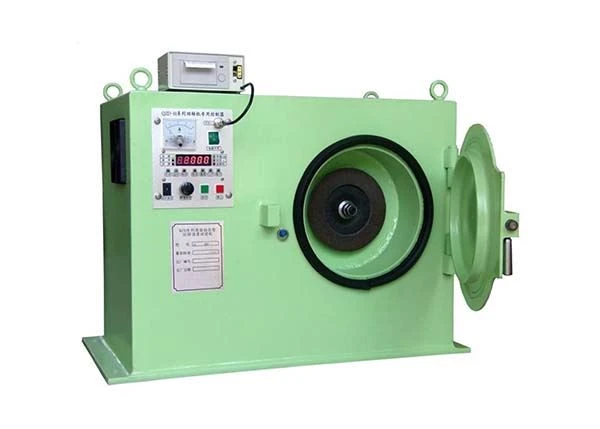
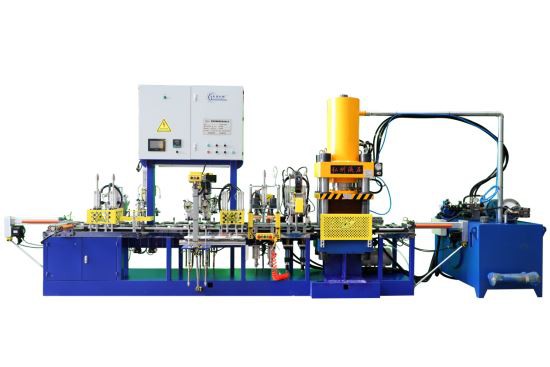
If you're in the market for different types of abrasive machines, we have some great options. Check out our Small Slitting Abrasive Cloth Machine, which is perfect for small - scale operations. We also have the Rpm Test Machine for Flap Disc to ensure the safety and performance of your flap discs. And for those who need to form abrasive cutting and grinding wheels, our Abrasive Cutting And Grinding Wheel Forming Machine is a top - notch choice.
Conclusion
Maintaining the spindle of an abrasive machine is not a one - time task but an ongoing process. By following these maintenance tips, you can ensure that your spindle operates smoothly, extends the lifespan of your machine, and improves the quality of your work.
If you have any questions about spindle maintenance or are interested in purchasing our abrasive machines and parts, don't hesitate to reach out. We're here to help you get the most out of your abrasive machines.
References
- General knowledge and experience in the abrasive machine industry.
- Manufacturer's manuals for various abrasive machines.