

Air bubbles can be a persistent nuisance when applying flap disc glue, affecting the quality and performance of the final product. As a trusted Flap Disc Glue [/flap-disc-raw-materials/glue-for-flap-disc/flap-disc-glue.html] supplier, I understand the challenges that manufacturers face in achieving a bubble-free application. In this blog, I will share some practical tips and techniques to prevent air bubbles when working with flap disc glue, ensuring a smooth and efficient production process.
Understanding the Causes of Air Bubbles
Before we delve into the prevention methods, it's essential to understand why air bubbles form during the application of flap disc glue. Several factors can contribute to this issue:
Mixing Process: Improper mixing of the glue components can introduce air into the mixture. If the components are not thoroughly blended, air pockets can form, leading to bubbles during application.
Application Technique: The way the glue is applied can also cause air bubbles. For example, if the glue is spread too quickly or unevenly, air can get trapped beneath the surface.
Surface Conditions: The surface of the flap disc and the material being bonded can affect the formation of air bubbles. If the surfaces are dirty, oily, or uneven, air can become trapped between the glue and the surface.
Environmental Factors: Temperature and humidity can impact the curing process of the glue, potentially leading to air bubble formation. High temperatures can cause the glue to cure too quickly, trapping air inside, while low humidity can cause the glue to dry too slowly, increasing the risk of air entrapment.
Preventive Measures
Now that we understand the causes of air bubbles, let's explore some effective preventive measures:
1. Proper Mixing
Follow the Manufacturer's Instructions: Always follow the recommended mixing ratio and instructions provided by the glue manufacturer. Use a clean and dry mixing container and a suitable mixing tool, such as a spatula or a mechanical mixer, to ensure thorough blending of the components.
Mix Slowly and Thoroughly: Avoid mixing the glue too quickly, as this can introduce air into the mixture. Instead, mix the components slowly and steadily, scraping the sides and bottom of the container to ensure all parts are incorporated. For larger batches, consider using a vacuum mixer to remove air from the mixture during the mixing process.
2. Application Techniques
Choose the Right Applicator: Select an appropriate applicator for the type of glue and the size of the flap disc. For small-scale applications, a brush or a roller may be sufficient, while larger applications may require the use of a spray gun or a dispensing system.
Apply the Glue in Thin Layers: Applying the glue in thin, even layers helps to prevent air bubbles from forming. Use a smooth and continuous motion to spread the glue, ensuring full coverage of the surface. Avoid over-applying the glue, as this can increase the risk of air entrapment.
Use a Roller or a Squeegee: After applying the glue, use a roller or a squeegee to smooth out the surface and remove any trapped air. Roll or squeegee the glue in one direction, applying gentle pressure to ensure a smooth and bubble-free finish.
3. Surface Preparation
Clean and Degrease the Surfaces: Before applying the glue, make sure the surfaces of the flap disc and the material being bonded are clean, dry, and free of dirt, oil, and other contaminants. Use a suitable cleaning agent and a clean cloth to wipe down the surfaces, ensuring they are thoroughly degreased.
Rough the Surfaces: Slightly roughening the surfaces can improve the adhesion of the glue and reduce the risk of air bubbles. Use a fine-grit sandpaper or a wire brush to gently abrade the surfaces, creating a micro-roughness that helps the glue to bond more effectively.
4. Environmental Control
Maintain Optimal Temperature and Humidity: Keep the working environment at a stable temperature and humidity level to ensure proper curing of the glue. Most flap disc glues have a recommended temperature range for application and curing, typically between 20°C and 30°C (68°F and 86°F). Avoid applying the glue in extreme temperatures or high humidity conditions, as this can affect the performance of the glue and increase the risk of air bubble formation.
Use a Desiccant: If the humidity level in the working environment is high, consider using a desiccant to absorb moisture and reduce the risk of air bubble formation. Place a desiccant packet near the work area or inside the storage container to keep the glue dry and prevent moisture from affecting the curing process.
Specialized Glues for Bubble Prevention
As a Flap Disc Glue supplier, we offer a range of specialized glues that are formulated to minimize air bubble formation. For example, our Component Epoxy Resin Flap Disc Outer Round Glue is designed with a low viscosity and a fast curing time, which helps to reduce the likelihood of air bubbles during application. Our Flexible Flap Disc Glue also has excellent adhesion properties and a smooth application, making it ideal for preventing air bubbles in flexible flap disc applications.
Case Studies
Here are some real-world examples of how our customers have successfully prevented air bubbles when applying flap disc glue using our recommended techniques and products:
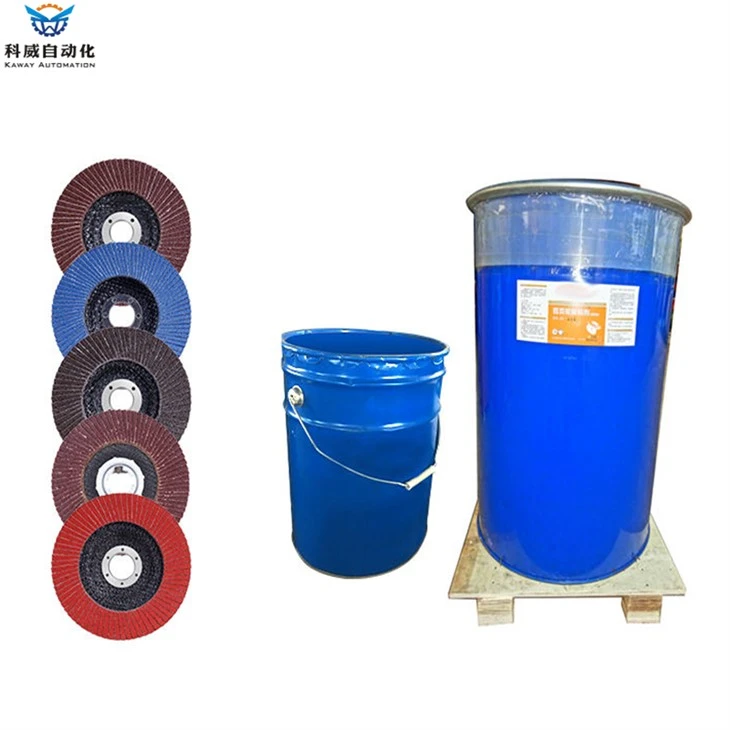
Case Study 1: A Flap Disc Manufacturer in Asia
A flap disc manufacturer in Asia was experiencing a high rate of air bubble formation in their products, which was affecting the quality and performance of their flap discs. After consulting with our technical team, they implemented our recommended mixing and application techniques, as well as switched to our Component Epoxy Resin Flap Disc Outer Round Glue. As a result, the manufacturer was able to reduce the air bubble defect rate by over 90%, improving the overall quality of their products and increasing customer satisfaction.
Case Study 2: A Metalworking Company in Europe
A metalworking company in Europe was struggling with air bubbles in their flexible flap disc applications, which was causing premature wear and failure of the flap discs. They started using our Flexible Flap Disc Glue and followed our surface preparation and environmental control guidelines. This led to a significant reduction in air bubble formation, resulting in longer-lasting flap discs and increased productivity for the company.
Conclusion
Preventing air bubbles when applying flap disc glue is crucial for ensuring the quality and performance of the final product. By understanding the causes of air bubbles and implementing the preventive measures outlined in this blog, manufacturers can achieve a bubble-free application and improve their production efficiency. As a leading Flap Disc Glue supplier, we are committed to providing high-quality products and technical support to help our customers overcome the challenges of air bubble formation. If you have any questions or need further assistance with your flap disc glue application, please feel free to contact us. We look forward to discussing your requirements and assisting you in achieving the best results with our products.
References
"Adhesive Technology Handbook," Edited by Skeist I., Van Nostrand Reinhold, 1990.
"Handbook of Adhesives and Sealants," Edited by Pizzi A., Mittal K.L., McGraw-Hill, 2003.
Technical documents provided by the flap disc glue manufacturers.