



Zhengzhou HG Abrasive Tech. Co., Ltd. is one of the leading manufacturers and suppliers of blue diamond grinding wheel in China. As we have professional production team and strong manufacturing capabilities, we warmly welcome you to buy the best quality blue diamond grinding wheel from our factory. For price consultation, contact us.
Our Blue Diamond Grinding Wheels are made of diamond powder as the main raw material, metal, resin, ceramics and electroplating binder. It is often used to remove paint or rust from the surface of an object without damaging the original surface of the material.
Why Choose Us
Variety of Products
We can provide a variety of abrasive equipment, including semi-automatic flap disc machines, fully automatic flap disc machines, fully automatic flexible flap disc machines, automatic abrasive slitting machines, etc. We can also provide flap disc raw materials such as glue and backing.
Recognized by Many Parties
Well-known brands Saint-Gobain, 3M, Abrasive and Pferd choose our abrasive equipment to produce flap discs or wheels, cutting and grinding wheels. At the same time, our abrasives have passed CE standard certification.
Rich Production Experience
With over 10 years of experience working with abrasive manufacturers large and small, we can specify, design, source and install the perfect machine for almost any application. No matter what kind of flap disc/ wheel forming, cutting and grinding wheel & packaging machinery, we can manufacture it based on our rich experience.
Strict Quality Standards
All suppliers of raw materials and purchased parts are jointly screened and regularly evaluated by the procurement, technology, and quality control departments to ensure that the raw materials are qualified. Our quality management is a combination of comprehensive employee participation and full value chain quality management from customers to suppliers.


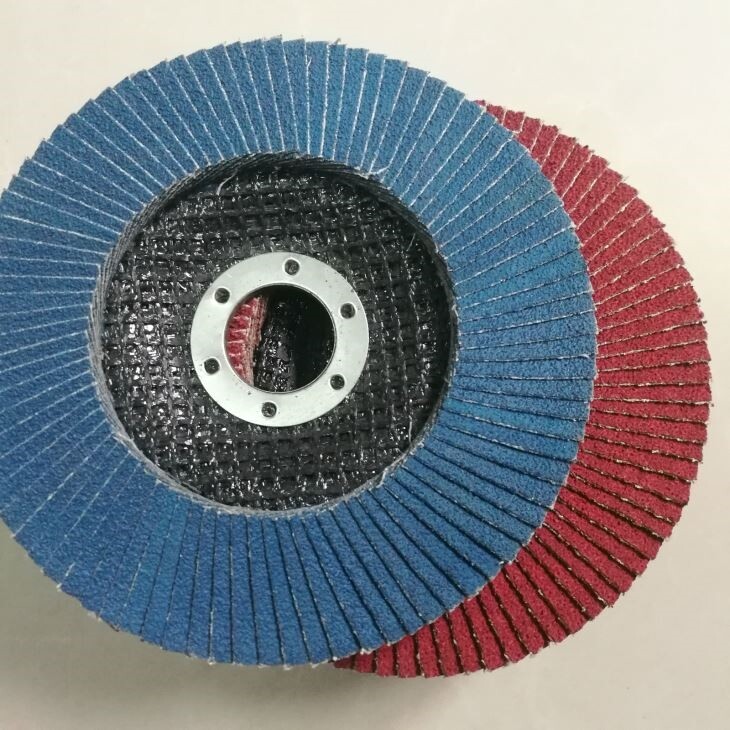


1. Blue Diamond Grinding Wheels have certain elasticity and smooth surface, and are mainly used in finishing, semi-finishing, grinding and polishing.
2. It is mainly suitable for cemented carbide tools, such as optical glass and some nonmetallic materials, with good wear resistance and long service life.
3. It can adapt to the high-speed running state, and will not damage the shape of the abrasive during grinding and polishing, and because of its tough texture, it can bear heavy pressure.
Diamond Grinding Wheel: Types and Applications
Resin Bond Diamond Wheels
Resin bond diamond wheels are the most popular type of diamond grinding wheel due to their versatility and balance between performance and cost. These wheels are made by embedding synthetic diamond particles in a resin matrix. They are known for their good cutting ability and are used extensively for fine finish applications due to their smooth grinding action. Resin bonds are softer compared to other types, making them more suitable for complex tool shapes and precision work in industries like aerospace and tool-making. They can be used to grind a wide variety of materials, including tungsten carbide, ceramics, glass, alloys, and even semi-precious stones. Resin bonds can be made in numerous shapes like a straight wheel, diamond cup wheel, and more.
Applications:
Fine grinding of carbide tools
Polishing of glass and ceramic materials
Sharpening and finishing of cutting tools
Metal Bond Diamond Wheels
Metal bond diamond wheels feature diamonds embedded in a metal matrix which is typically composed of bronze, steel, or other metals. These wheels are known for their durability and long life, making them ideal for rough grinding applications where wheel wear rate on the cutting edge is a concern. Metal bonds hold their grit well, providing a high degree of abrasion resistance which is crucial when working with hard, brittle materials.
Applications:
Grinding of glass, ceramics, and gemstones
Surface grinding of concrete and stone materials
Abrasive grinding of composite materials and hard coatings
Vitrified Bond Diamond Wheels
Vitrified bond diamond wheels use a glass-based bonding material that offers excellent rigidity and thermal stability. These wheels are known for their ability to maintain form and size over extended use, which makes them ideal for precision grinding applications where dimensional accuracy is paramount. Vitrified bonds are less sensitive to heat, allowing them to operate at higher speeds without degrading the diamond grit.
Applications:
Precision grinding of diamond tools
Cylindrical grinding of automotive parts and aerospace components
Sharpening of high-speed steel and tool steel
Grinding discs for double-disc grinding
Electroplated Diamond Wheels
Electroplated diamond wheels consist of a single layer of diamond particles bonded to the wheel by a nickel matrix. This setup allows for very sharp, aggressive grinding action and makes these wheels suitable for applications requiring high precision and fine surface finishes. Electroplated wheels are not typically suited for heavy-duty grinding but excel in specialized applications where dimensional accuracy and surface quality are critical.
Applications:
Form grinding of intricate profiles and parts
Cutting of hard and brittle materials like quartz and ceramics
Detailed contouring and shaping in craft and jewelry-making
A Diamond grinding wheel is a fairly new product among grinding wheels as it was first manufactured only after the discovery of synthetic materials. Research that went into synthetic materials led to the production of synthetic diamonds as well as the discovery of cubic boron nitride or CBN. Synthetic diamonds have nickel and copper coating which ensures that they last longer. Diamond grinding wheels, made of synthetic diamonds, are therefore immensely durable and that is why they have come to be known as super abrasives.
Diamond Grinding Wheels Structure
Diamond grinding wheels have numerous shapes like flat disks, cups, cylinders, cones, and wheels with profiles cut into their periphery etc. Diamond as also CBN grinding wheels are usually classified by shape, their grit size, the concentration and bond. Grit size of the abrasive for the diamond grinding wheels is selected based on the hardness of the cutting material.
Grit sizes between 120 and 180 are used when the grinding wheel is made for use in tool room applications. The finer grits (220 or more) are usually made on special order for use in very fine and high-quality surface finishes. The concentration of the abrasives depends for what application the wheel is being made for. The concentration of diamonds in the grinding rim depends on the application. For stock removal of tungsten carbide or hardened steel, a concentration of 75 to 125 is selected but a concentration of 150 is selected if the contact surface of the grinding wheel to the material is very small.
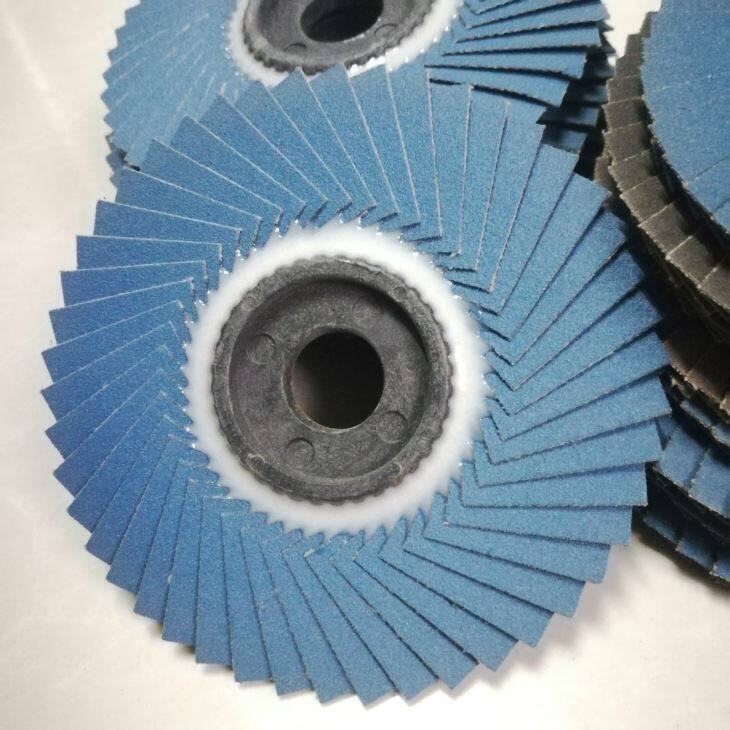
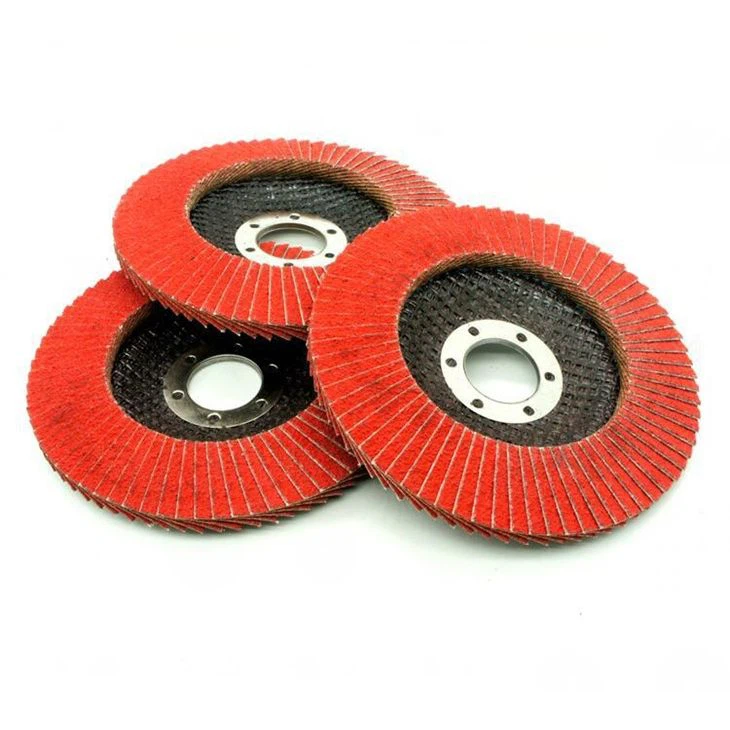
Another important aspect in manufacturing a diamond grinding wheel is the bond that is used to keep the abrasive grains together. Bonds used in grinding wheels have been refined over the years and the main bond options today are metal bond, resin bond, vitrified bond and electroplated with resin being the most common. Vitrified and metal bonds are generally more costly and are usually custom ordered. Electroplated wheels are commonly used in cut off wheels and for low abrasive grinding like plastics. Diamond grinding wheels have a particular marking which helps to identify them. D1A1-150R100-B4: Where D1A1 stands for the wheel shape, 150 for grit size, 100 is the concentration and B4 is the bond of the manufacturer.
Diamond grinding wheel manufacturers assign the extent of hardness in a wheel. This is achieved by either allowing the abrasive grains to fracture easily or by restricting the fracture. When abrasives fracture easily the wheel is classified as a soft bond. Hard bond wheels can withstand larger forces since the fracturing is restricted. Soft wheels are normally used for surfaces that are easy to cut and usually have a shorter life. Hard wheels last longer and are used for finer surface finishes.
Diamond grinding wheel structure is the spacing of the abrasive grains. In an open structure wheel, there will be fewer grains that in and closed structure. The numbers 1 to 15 designate the wheel structure where the higher number stands for open structure. Diamonds represent hardness of nine and ten. If the number is lower, the wheel structure will be denser. An abrasive is chosen keeping in mind the substance that needs to be shaped. A good abrasive will keep the sharp edge and cut in clean, sharp lines. So a well- structured diamond grinding wheel should be able to sharpen itself while it is in the process of shaping another material.
Another area that requires attention when manufacturing a diamond grinding wheel is friability. Abrasives are selected depending on their friability and the nature of the material that needs to be ground. Diamond may be the hardest material but it reacts with steel when cutting. Diamond grinding wheels are manufactured differently for different industrial uses. Grinding wheels made for tungsten electrode grinders need to be industrial grade, high performing grinding wheels so that they can be used even in the most demanding jobs. They are manufactured both as handheld and bench top tungsten sharpeners for tungsten electrode which is usually heavy duty application. While silicon carbide grinding wheels could be used to rough grind tungsten carbide, only a diamond grinding wheel is the best for finish grinding.

How To Maintain Your Diamond Grinding Wheels?
To ensure that your diamond grinding wheel lasts as long as possible and performs at its best, it's important to perform regular maintenance on the tool. Here are some steps you can follow for maintaining your diamond grinding wheel:
Cleaning
Regularly clean the diamond grinding wheel to remove any debris or buildup that may affect its performance. You can use a soft brush or air compressor to blow off any debris.
Storing
Store diamond grinding wheels in a cool, dry place away from direct sunlight and extreme temperatures. This will help prevent damage to the bond and abrasive particles.
Checking For Damage
Regularly inspect your diamond grinding wheel for signs of damage, such as cracks, chips, or missing abrasive particles. If you notice any damage, replace the grinding wheel immediately to prevent further damage to the machine or workpiece.
Balancing
Make sure that your diamond grinding wheel is properly balanced before using it. An unbalanced grinding wheel can cause vibrations and potentially damage both the machine and workpiece.
Reshaping
If the diamond abrasive particles on the grinding wheel become worn or rounded, you can reshape the wheel by exposing fresh diamond particles. You can do this by using a dressing tool to remove a small amount of the bond and expose fresh abrasive particles.
Proper Usage
Follow the manufacturer's recommendations for proper usage of the diamond grinding wheel, including recommended speeds and feed rates. Overloading the grinding wheel or using it at speeds that are too high can cause damage to the wheel and reduce its lifespan.
Our Factory
Our company is a high-tech enterprise that independently designs, develops, produces, and sells automatic abrasive flap disc production lines. Our flap disc machine All touch digital operation, simple and quick, user-friendly, the main modules of our machine use CNC machining center integrated precision milling, the main motor is Japan Panasonic, the cylinder uses Air TAC, the sensor uses Autonics, PLC use Delta, all of these configurations ensure that our equipment can work stably and efficiently, producing 6,000 Pcs per day for 8 hours. Professionalism, focus, bring you a best abrasive machine.


