

Blue diamond grinding wheels are used in a wide range of applications across many industries. One common use is in the manufacturing of tools and equipment. Blue diamond grinding wheels can be used to shape and sharpen cutting tools, such as drills, saw blades, and milling cutters.
Exceptional Hardness
Blue diamond grinding wheels are incredibly hard and wear-resistant, making them ideal for grinding other hard materials such as carbide. This feature also allows blue diamond grinding wheels to withstand high material removal rates and provide better longevity when compared to conventional abrasive wheels.
Superior Grinding Performance
From rough grinding at high feed rates to cutting brittle materials with high accuracy, the composition of a diamond grinding wheel can be manipulated to serve a multitude of applications.
This diversity stems from the combination of grit size and the concentration (or volume) of diamond grit present in the wheel's bond. If finer grit is used, a higher quantity of grit particles can be included in the wheel bond. If larger grit is used, not as many grit particles will be able to fit into the wheel bond.
Low Heat Generation
The bond structure of a diamond abrasive wheel does impact its heat-resistant abilities. Resin bonds, for example, generate the least heat overall during grinding and are typically used for softer materials like ceramics and composites. Known as a more "flexible" bond, resin bonds have a faster-paced grit renewal rate than metal or vitrified bonds. This allows for a consistent, sharp cutting surface.
Slightly less heat efficient, metal bonds are typically used for grinding tougher materials and are much harder than resin bonds. By retaining grit particles for longer, this bond allows the form of the wheel to hold its shape for extended periods.
Vitrified bonds are made of ceramic material, ideal for heat dissipation. They are typically suggested for grinding materials with low thermal conductivity.
Reduced Wheel Wear
The unmatched strength and hardness of synthetic diamonds help maintain a sharper cutting edge, resulting in grinding wheels that resist wear and require less dressing throughout a job.
Blue diamond grinding wheels can operate for long periods with little to no load-up or glazing. This quality results in more efficient grinding, which means more time cutting and less time dressing a wheel.
Efficient grinding greatly reduces the risk of damage to the wheel and workpiece, such as burning, chipping, or breaking.
A Wide Range of Applications
Diamond abrasive is available in various sizes and shapes and can be suspended in many different types of bonds. The possible iterations are almost infinite.
This makes blue diamond grinding wheels an excellent choice for a variety of applications, including machining hard and brittle materials, grinding hardened metals, stone cutting and polishing, tool sharpening, medical supply production, and electronics and optics manufacturing.
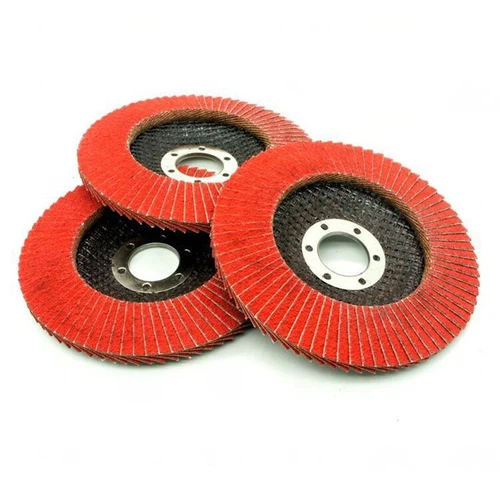
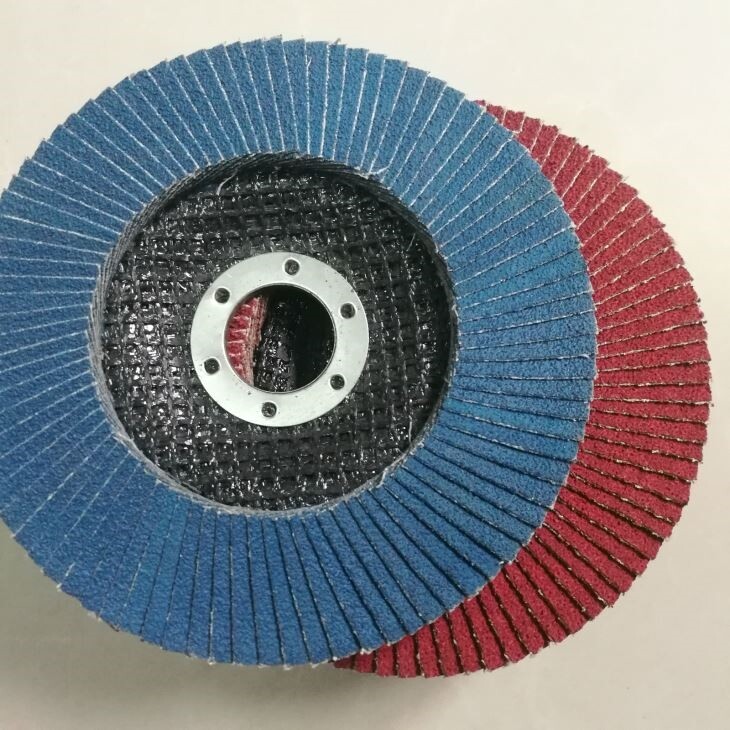
Stainless Steel Abrasive Cloth Polish Flap Disc
Sanding Disc, Flap Disc, Grinding Disc manufacturer / supplier in China, offering Super Stainless Steel Abrasive Cloth Polish Flap Disc, 1"*1′*1/4", P60 Aluminum Oxid Mounted Flap Wheel with Shaft

Cutting & Grinding Wheels HG-Abrasive bonded metal cut-off discs & grinding wheels feature an Aluminum Oxide blend for high performance, durability and extended cutting life.
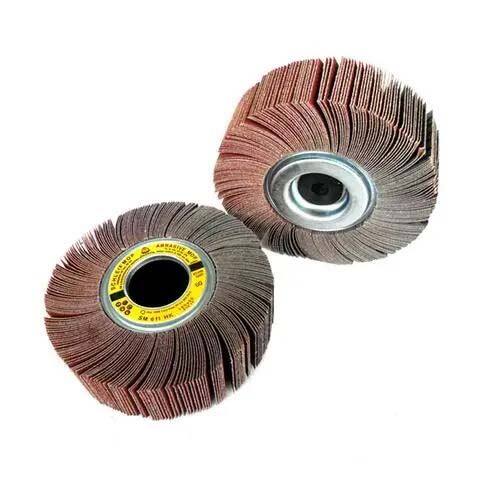
HG Abrasive's Flap wheel is engineered to provide uniform rate of cut and uneven surfaces. Our Unique Flap wheel feature enables the exposal of new abrasives with a continual rate of wear.

Super Stainless Steel Abrasive Cloth Polish Flap Disc
Sanding Disc, Flap Disc, Grinding Disc manufacturer / supplier in China, offering Super Stainless Steel Abrasive Cloth Polish Flap Disc, 1"*1′*1/4"
Supply Ability 2400000 Piece/Pieces per Month Packaging & Delivery 1. 20-50pcs wrapped with polyethylene film, 2. 250-1000pcs into boxes r cartons 3.


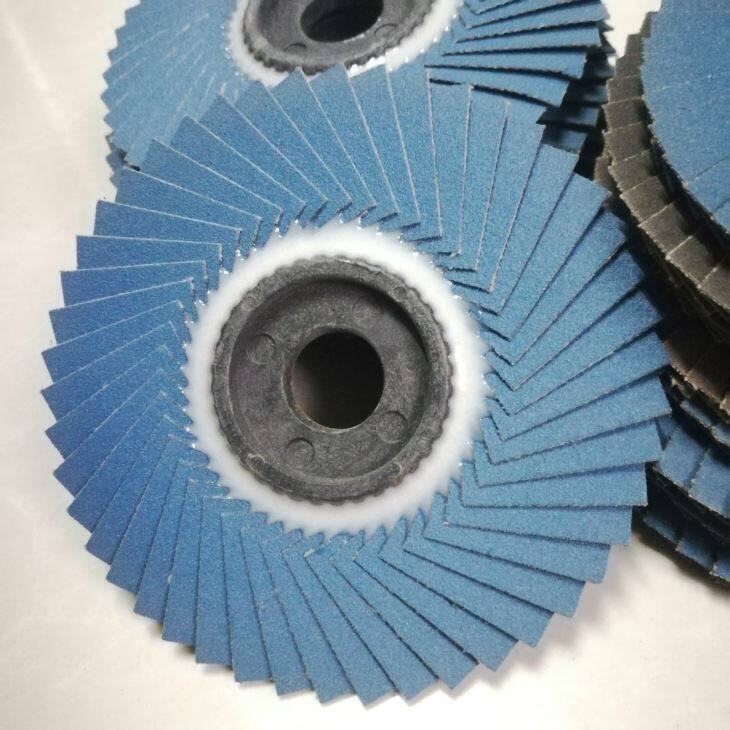
High Quality Abrasive Flap Disc Of Zirconium Polishing Stainless Steel, Metal,wood, Stone
A flap wheel and the related flap disk/ flap disc is an abrasive disk, used for metal finishing.

Blue Diamond Grinding Wheel 4inch 125mm With Handle Stainless Steel Metal HG Abrasive's grinding wheel angle grinder can quickly remove paint or rust without damaging the original surface.
Experience and expertise
No matter what kind of flap disc/ wheel forming, cutting and grinding wheel & packaging machinery, based on our extensive experience, we can manufacture it. In particular, we could provide control system for the whole production line, which makes the final selection abrasive machine can be distinguished from the vast majority of machine on the market.
Cutting-edge technology
HG Abrasive attaches great importance to product technology research and development for the beginning. It has successfully developed seven series of abrasive flap disc machines .Our production equipment is advanced and management is customized.
Customer-focused
Good products must have good services. HG Abrasive has a complete marketing service network, with nearly 100 existing marketing and service personnel, which can meet customer needs in the first time.
Types of Blue Diamond Grinding Wheel
Resin bond diamond wheels are the most popular type of diamond grinding wheel due to their versatility and balance between performance and cost. These wheels are made by embedding synthetic diamond particles in a resin matrix. They are known for their good cutting ability and are used extensively for fine finish applications due to their smooth grinding action. Resin bonds are softer compared to other types, making them more suitable for complex tool shapes and precision work in industries like aerospace and tool-making. They can be used to grind a wide variety of materials, including tungsten carbide, ceramics, glass, alloys, and even semi-precious stones. Resin bonds can be made in numerous shapes like a straight wheel, diamond cup wheel, and more.
Metal bond diamond wheels feature diamonds embedded in a metal matrix which is typically composed of bronze, steel, or other metals. These wheels are known for their durability and long life, making them ideal for rough grinding applications where wheel wear rate on the cutting edge is a concern. Metal bonds hold their grit well, providing a high degree of abrasion resistance which is crucial when working with hard, brittle materials.
Vitrified bond diamond wheels use a glass-based bonding material that offers excellent rigidity and thermal stability. These wheels are known for their ability to maintain form and size over extended use, which makes them ideal for precision grinding applications where dimensional accuracy is paramount. Vitrified bonds are less sensitive to heat, allowing them to operate at higher speeds without degrading the diamond grit.
Electroplated diamond wheels consist of a single layer of diamond particles bonded to the wheel by a nickel matrix. This setup allows for very sharp, aggressive grinding action and makes these wheels suitable for applications requiring high precision and fine surface finishes. Electroplated wheels are not typically suited for heavy-duty grinding but excel in specialized applications where dimensional accuracy and surface quality are critical.
Material Compatibility: The type of material being ground is the primary factor in selecting the right blue diamond grinding wheel. Hard materials like ceramics and carbides require wheels with a harder bonding material to prevent premature wear, such as metal or vitrified bonds.
Desired Finish and Precision: The finish and accuracy required for the product also dictate the choice of the grinding wheel. Fine finishes and high precision typically require wheels with a finer grit and a harder bond.

Wheel Speed and Durability: The speed at which the blue diamond grinding wheel operates can significantly affect its performance and longevity. Vitrified bonds, for example, can handle higher speeds compared to resin bonds.
Machine Specifications: The grinding machine's capabilities-Such as power and rotational speed-Also influence the choice of the blue diamond grinding wheel. Ensure the blue diamond grinding wheel specifications match those of the machine for optimal performance.
Economic Factors: Lastly, consider the cost-effectiveness of the grinding operation. Metal and vitrified bonds, while more expensive, may offer better longevity and fewer wheel changes, leading to higher productivity in the long run.
Care and Maintenance of Blue Diamond Grinding Wheels
Installation
Make sure that spindles, back plates and flanges are always clean before installing a new wheel. Use a dial indicator to check that the rotation of the wheel is within 0.0005 inch, 12.7 microns, of true. Tighten the flanges once the wheel is true and double-check tightness before use.
Diamond cutting wheels should only be used to make straight cuts. Twisting or jamming the wheel can cause fatigue and segment loss. Excess pressure should not be applied when making cuts.
When performing any cutting or grinding process, all work materials require firm support. Excess overhang should be avoided; even slight tilting can create an angled cut.
Feed and grinding speed
Material must be fed into the wheel at the appropriate speed. A feed rate that is too fast will cause chatter and vibration. This will result in a poor cut and possibly damage the cutting edge of the wheel.
Blue diamond grinding wheels work best at speeds between 5,000 to 6,000 surface feet per minute. Running at lower speeds can lead to glazing.
Dressing
Using the wrong cutting wheel, one with a bond that is too hard for the working material, will create glazing. The easiest way to avoid this is using a blade that is matched to the material. Dressing the blade is a maintenance technique, but dressing does slow down production and reduce the life of the wheel.
Dressing a diamond wheel cleans the build up of debris from cutting operations that block the abrasive surface. The resurfacing restores the sharp abrasive edges of the diamond coating. A dressing stick, normally aluminum oxide or silicone carbide, is used to cut through or remove the debris and expose new diamond material.
Make an arrow mark on the Blue diamond grinding wheel showing the rotation direction the first time and always dress the wheel with it spinning in the same direction. Dressing a wheel in both directions will destroy it.
Dressing is accomplished by simply making a straight cut through the dressing stick or bar. Cut off a thin section per pass. Only one or two cuts through the stick should be required.
If a dressing stick is not available, a section of asphalt can be used. Make a few cuts into the asphalt and the blade should be clean.
Overheating
Coolant should be used for maximum results. The coolant needs to spray to contact where the cutting wheel and material meet. A weak soluble oil solution may be used to reduce corrosion.
If dark streaks form along the sides of the cutting edge, the wheel is being overheated. Excess heat can cause the wheel to break apart. If dry cutting is being performed, allow the wheel to cool for about 10 seconds for every 30 seconds of cutting operation.
Use the right grade wheel, designed for the material to prevent injuries from reactive force or throw back. Never use a wheel that shows signs of fracture, fatigue or broken segments.
Company Introduction
Zhengzhou HG Abrasive Tech.Co.,Ltd. is a high-tech enterprise that independently designs,develops,produces and sell the automation abrasive flap disc production line.
It was established in 2015 and its wholly owned subsidiary is Zhengzhou Kaway Automation Tech.Co.,Ltd.. With total assents of 80 million yuan and more than 150 employees, the company Chinese market ranks the second .
HG Abrasive attaches great importance to product technology research and development for the beginning. It has successfully developed seven series of abrasive flap disc machines .Our production equipment is advanced and management is customized.
Good products must have good services. HG Abrasive has a complete marketing service network, with nearly 100 existing marketing and service personnel, which can meet customer needs in the first time.
After many years development, our productions have spread all over the country. And are exported to Mexico ,South Korea, Japan, Russia, Thailand, Vietnam, Ukraine and some other countries.
If you are looking for any related products and machines ,or want to become the sole agent in your country ,please contact us at ZHENGZHOU HG ABRASIVE TECH.CO.LTD.. We warmly welcome new and old customers to visit our company . We look forward to working with you.